10 Best Aesthetic Laser Treatment Systems You Need to Know?

Time:2026-06-03 Author:Oliver
0%

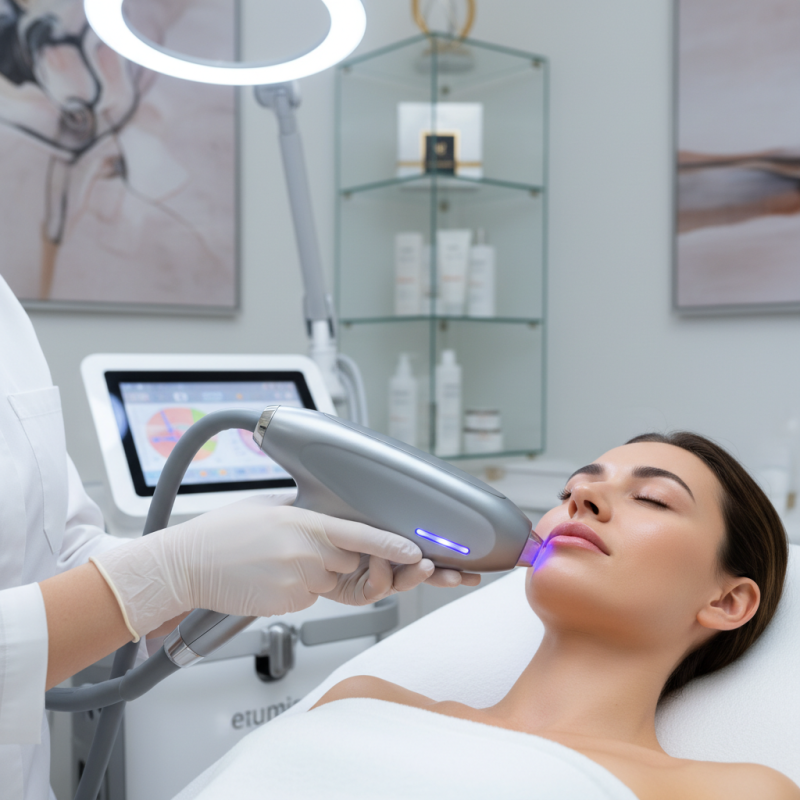
Aesthetic laser treatment systems have revolutionized the beauty and skincare industries. With reports by the American Society for Aesthetic Plastic Surgery noting an increase in non-invasive procedures, understanding "what is an aesthetic laser treatment system" is vital. These technologies improve skin tone, texture, and elasticity, providing safe and effective solutions for clients seeking enhancement.

Dr. Jane Holloway, a recognized expert in dermatology, describes these systems as "game changers for skin rejuvenation." Her insights highlight the systems' ability to target specific concerns like pigmentation, wrinkles, and scars. As the demand for less invasive options rises, so does the need for reliable information.

Despite their benefits, the effectiveness of these systems can vary. Not every treatment suits all skin types. Clients often experience different outcomes, leading to a need for realistic expectations. As the industry evolves, staying informed about the best treatment systems is crucial for both practitioners and clients.
10 Best Aesthetic Laser Treatment Systems You Need to Know?

Overview of Aesthetic Laser Treatment Systems

Aesthetic laser treatment systems are revolutionizing the beauty and wellness industry. These systems use advanced technology to target various skin concerns. Data from industry reports show that the global market for aesthetic lasers is projected to reach $5.8 billion by 2025. This growth highlights increasing demand for minimally invasive procedures.

These systems can treat issues like wrinkles, pigmentation, and acne scars. Each laser type has unique benefits. For example, fractional lasers provide skin resurfacing without significant downtime. Yet, improper use can lead to side effects such as hyperpigmentation or skin irritation. Practitioners must have specialized training to avoid these complications.

The effectiveness of these treatments often depends on the patient’s skin type and condition. Research indicates that patients with darker skin tones may experience a higher risk of complications. Despite this, many find the results worth the potential risks. Open discussions about expectations can lead to more satisfactory outcomes. Awareness of individual skin characteristics is fundamental for safe treatment.

Top 10 Aesthetic Laser Treatment Systems

Key Features of Top Aesthetic Laser Systems

Aesthetic laser treatment systems are revolutionizing skincare. These systems offer diverse applications, from reducing wrinkles to treating pigmentation. Key features define the effectiveness and reliability of these devices.

Firstly, laser wavelength is crucial. The right wavelength targets specific skin layers effectively. For instance, a study shows that lasers with wavelengths around 1064 nm can penetrate deeper skin layers. This depth enhances collagen stimulation. Additionally, adjustable energy levels allow practitioners to customize treatments for individual needs. Flexibility in settings ensures safety and optimal results.

Another aspect is user interface and software. Intuitive designs help operators manage treatments efficiently. Reports indicate that systems with advanced monitoring features improve safety, reducing the risk of adverse effects. Some devices integrate real-time skin analysis to assess treatment progress. This data-driven approach can lead to improved patient satisfaction.

Despite these advancements, challenges persist. Training is essential; practitioners must understand technology intricacies to avoid mishaps. A survey found that 30% of dermatologists feel unprepared to use advanced laser systems. Continuous education in this field is vital. The aesthetic laser market is growing, but ensuring safe practices requires dedication.

Comparison of Laser Technologies Used in Aesthetic Treatments

Laser technology has revolutionized aesthetic treatments. Various systems target different skin concerns effectively. Understanding these technologies helps to make informed decisions.

Fractional lasers, for example, target specific skin layers. They stimulate collagen production, improving texture and tone. Yet, users may experience downtime. Not everyone heals at the same rate.

Q-Switched lasers are great for tattoo removal and pigment issues. Quick sessions limit discomfort, but multiple treatments may be necessary. Results can vary based on skin type and condition.

Tips: Always consult with a qualified professional. They can guide you through the options. Conduct a patch test if trying a new device. This can prevent unexpected reactions. Remember that patience is key; a few sessions might be required for optimal results.

Benefits and Risks Associated with Laser Treatments

Laser treatments have gained popularity for aesthetic purposes due to their effectiveness in skin rejuvenation and the treatment of various skin conditions. However, potential risks accompany the benefits. According to the American Society for Dermatologic Surgery, about 10% of patients report side effects like redness and swelling post-treatment. These effects usually subside quickly but can cause discomfort.

Long-term effects can include hyperpigmentation or hypopigmentation, especially in darker skin types. A study in the Journal of Cosmetic Dermatology revealed that while 90% of patients are satisfied with their results, 15% experienced complications requiring medical intervention. Safety protocols, such as skin testing and proper aftercare, are vital. They help minimize risks and ensure a positive outcome.

Choosing a qualified practitioner is crucial for reducing adverse effects. Training and experience matter; not all practitioners have the same level of expertise. Research indicates that clinics with board-certified dermatologists report lower complication rates. While laser treatments offer impressive results, understanding both benefits and risks can help manage expectations and lead to informed decisions.

10 Best Aesthetic Laser Treatment Systems You Need to Know

Treatment Type Benefits Risks Recommended For
Ablative Laser Effective skin resurfacing, reduces wrinkles Redness, swelling, potential scarring Deep wrinkles, severe sun damage
Non-Ablative Laser Minimal downtime, stimulates collagen Mild redness, multiple sessions required Fine lines, skin laxity
Fractional Laser Targets only a fraction of skin, quicker recovery Pigmentation changes, infection risk Scars, photoaging
Pulsed Dye Laser Effective for vascular issues, minimal scarring Hypopigmentation, pain during treatment Rosacea, broken capillaries
CO2 Laser Deep skin lifting, significant wrinkle reduction Long recovery time, risk of infection Severe sun damage, deep scars
Nd:YAG Laser For deeper skin layers, fewer side effects Risk of hyperpigmentation Tattoo removal, vascular lesions
Erbium Laser Less thermal damage, quick healing Temporary redness, swelling Fine lines, moderate skin laxity
Lumecca (IPL) Improves skin tone, reduces pigmentation Possible redness, mild swelling Age spots, sun damage
Diode Laser Effective hair removal, minimal pain Skin irritation, pigmentation issues Hair reduction on various skin types
Alexandrite Laser Fast hair removal, effective for light skin tones Risk of burns, inconsistent results Hair removal on lighter skin

Choosing the Right Aesthetic Laser Treatment for Your Needs

Choosing the right aesthetic laser treatment is essential for achieving desired results. Different systems cater to varied needs. Understanding your skin type is crucial. Some lasers work better on darker skin tones, while others suit lighter complexions. Consulting with a dermatologist helps in assessing individual requirements. They can guide you through available options and their potential outcomes.

When exploring laser treatments, consider the specific skin concern you want to address. Acne scars, hyperpigmentation, and fine lines all require distinct approaches. Treatment downtime varies, so it’s important to factor that into your decision. For instance, some treatments are non-invasive and require little recovery time. Others may involve longer healing periods and more noticeable side effects.

While these treatments can be effective, not all will suit you perfectly. It’s vital to have realistic expectations. Some patients may experience side effects or dissatisfaction. Communicating openly with your practitioner can help manage these concerns. Remember that finding the best match may take time and multiple consultations. Keeping an open mind about trials will ultimately lead to better results.

FAQS

: What are aesthetic laser treatment systems used for?

: They target skin concerns like wrinkles, pigmentation, and acne scars.

Is the market for aesthetic lasers growing?

Yes, it's projected to reach $5.8 billion by 2025 due to rising demand.

Can anyone use aesthetic lasers safely?

No, practitioners need specialized training to avoid complications like skin irritation.

How does skin type affect laser treatment effectiveness?

Patients with darker skin tones may face higher risks of complications.

What should I discuss with my dermatologist?

Talk about your skin type, concerns, and treatment options available.

Are all laser treatments suitable for everyone?

No, effectiveness varies among individuals, and some may experience side effects.

How long is the recovery time after laser treatment?

Treatment downtime varies. Some require little time; others need longer healing periods.

What is the importance of setting realistic expectations?

It helps manage satisfaction and minimizes disappointment after treatment.

Can results be achieved immediately?

Not always. Some results may take time, and improvements can differ.

Should I try multiple consultations?

Yes, they can help find the best treatment that aligns with your needs.

Conclusion

Aesthetic laser treatment systems are advanced technologies used for various cosmetic procedures, designed to enhance skin appearance and address a multitude of concerns. These systems employ different laser technologies, each tailored to specific treatments such as skin resurfacing, hair removal, and pigmentation correction. Understanding what is an aesthetic laser treatment system involves recognizing its key features, such as precision, versatility, and the ability to deliver varying wavelengths of light for different skin types and conditions.

When considering aesthetic laser treatments, it is crucial to weigh the benefits against potential risks and side effects. Factors such as skin type, desired outcomes, and treatment goals play a significant role in selecting the right system. By comparing the technologies available, individuals can make informed decisions that cater to their unique needs while ensuring effective and safe results.

Oliver

Oliver

Oliver is a seasoned marketing professional with a wealth of expertise in driving brand awareness and engagement. With a deep understanding of our company's product offerings, he consistently delivers high-quality content that enriches our professional blog. His insights not only shed light on......