Choosing among the 2026 top aesthetic laser treatment systems starts with a practical question: what is an aesthetic laser treatment system, and what concern is it meant to address? These devices deliver selected wavelengths of light to specific skin targets, such as pigment, hair follicles, or water in the skin. Different platforms use different technologies, including diode, alexandrite, Nd:YAG, fractional CO2, erbium, and picosecond lasers. They are not interchangeable. A machine suited to hair reduction may not be appropriate for resurfacing or treating visible pigmentation.
“Top” is not a universal ranking. It depends on treatment goals, skin type, operator training, device settings, and the manufacturer’s published specifications. A clinic comparing systems should look beyond sleek screens and marketing claims. Ask about cooling methods, available spot sizes, pulse options, maintenance, and training support. These details matter in a real treatment room. So does patient assessment.
Skin tone and recent sun exposure can affect treatment choices and the risk of unwanted changes. A qualified clinician should review medical history, explain realistic outcomes, and discuss possible side effects before treatment. Device authorization and indications also vary by location, so claims should be checked against reliable product information. That part is easy to overlook. Even a well-designed system cannot replace sound judgment, and a polished comparison may still miss the needs of an individual patient. This guide introduces leading system types and the questions that help clinics and readers evaluate them more carefully.
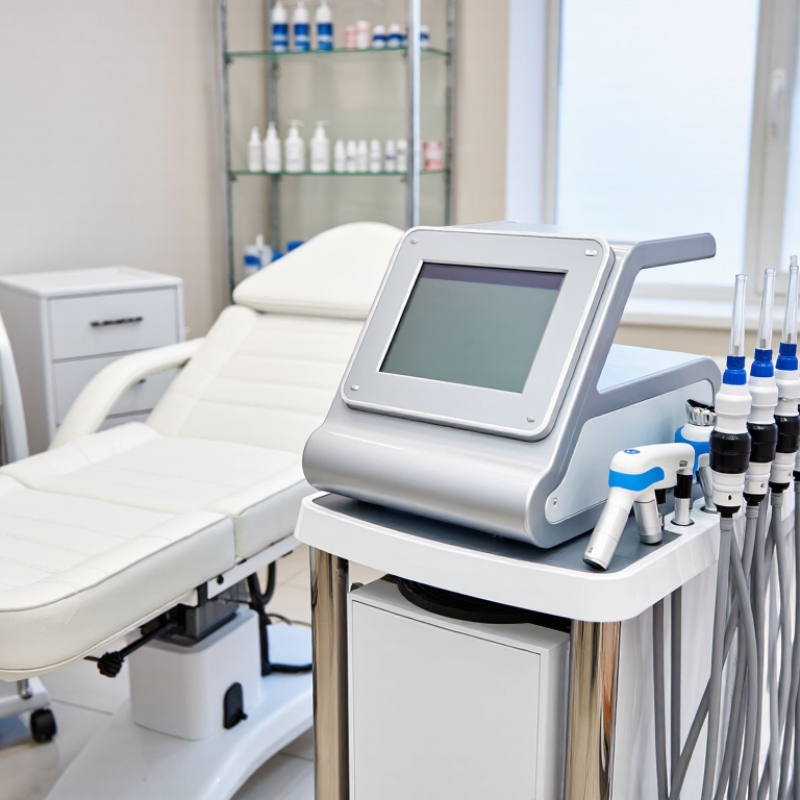
Aesthetic laser treatment systems use concentrated light to create controlled effects in skin. The system usually includes a laser source, a handpiece, cooling features, and settings that shape each pulse. Different wavelengths interact with different targets, such as pigment, blood vessels, or water in tissue. The goal is to affect a chosen target while limiting heat to nearby skin.
Light energy becomes heat when the target absorbs it. For example, pigment can absorb certain wavelengths, while water absorbs others. Pulse duration and energy level influence how heat builds and spreads. That sounds simple. It isn’t always. Skin tone, treatment area, and recent sun exposure can change how skin responds, so settings need professional assessment rather than guesswork. Some systems also use contact cooling or bursts of air to reduce surface discomfort.
A qualified clinician should explain the device’s intended use, likely benefits, and possible risks before treatment. Redness or temporary sensitivity may occur, and results can vary across people and treatment plans. Protective eyewear matters because laser light can injure eyes, even when the beam is not aimed at them. I’ve seen how easy it is to focus on the machine’s technical settings and overlook the person’s skin history; that deserves a second look.
Aesthetic laser systems deliver concentrated light at specific wavelengths. The chart compares representative wavelengths; different wavelengths interact with targets such as pigment, blood vessels, or water in the skin. Treatment effects also depend on settings such as pulse duration and energy, as well as the individual and treatment area. A qualified clinician should determine whether a treatment is appropriate.
Aesthetic laser systems differ by wavelength, pulse duration, and how deeply they deliver energy. Ablative carbon dioxide and erbium lasers remove tiny columns of skin. Clinicians may use them for selected scars, wrinkles, or sun-related texture changes. Recovery can involve redness, swelling, and several days of careful wound care. They are not a quick lunch-break treatment.
Non-ablative fractional lasers heat deeper skin while leaving much of the surface intact. They may be considered for uneven texture and fine lines, often with less downtime but gradual results. Vascular lasers target visible small blood vessels and persistent facial redness. Pigment-targeting systems address selected dark spots, while hair-removal lasers reduce unwanted hair over a course of sessions. Skin tone, recent tanning, medications, and the specific concern can change the safest choice. Results vary. A careful consultation matters, and no device suits everyone.
Tips: Ask which laser type is proposed and why it fits your skin and goal. Share your medical history and skincare products, and follow preparation and aftercare instructions. Confirm who performs the treatment and what side effects to watch for. If advice feels rushed, pause and ask more questions. It is easy to overlook that step.
| Laser System Type | Typical Wavelength | Primary Target | Common Aesthetic Uses | Practical Considerations |
|---|---|---|---|---|
| Long-pulsed Nd:YAG | 1,064 nm | Melanin and blood vessels at relatively greater depths | Hair reduction, selected vascular lesions, and some leg veins | Often considered for darker skin tones because this wavelength is less strongly absorbed by epidermal melanin than shorter hair-removal wavelengths. Settings and suitability require assessment by a qualified professional. |
| Alexandrite | 755 nm | Melanin in hair follicles and pigmented targets | Hair reduction, particularly for lighter skin types with dark hair; selected benign pigmented lesions | Strong melanin absorption can increase the risk of unwanted pigment changes in darker or recently tanned skin. Treatment choice depends on skin type and the specific indication. |
| Diode hair-removal laser | Commonly around 800–810 nm | Melanin in hair follicles | Long-term hair reduction on a range of body areas | Results vary with hair color, hair growth cycle, skin tone, and treatment settings. Multiple sessions are typically needed; very light, gray, or white hair responds poorly to melanin-targeting treatment. |
| KTP laser | 532 nm | Hemoglobin and superficial melanin | Selected superficial facial blood vessels and benign pigmented spots | Its relatively strong absorption by melanin can limit use on darker or tanned skin. Correct diagnosis is important because some pigmented lesions should not be treated cosmetically without medical evaluation. |
| Pulsed-dye laser (PDL) | Typically 585–595 nm | Hemoglobin in superficial blood vessels | Facial redness, selected telangiectasias, port-wine stains, and some red scars | Temporary redness, swelling, or purpura may occur. The number of sessions and response depend on the condition, lesion depth, and settings. |
| Q-switched or picosecond pigment laser | Common platforms use 532 nm and/or 1,064 nm; other wavelengths are also available | Selected tattoo pigments and melanin-containing lesions | Tattoo removal and treatment of carefully selected benign pigment concerns | Wavelength is selected according to pigment color and depth. Tattoo clearance is usually gradual and may require multiple sessions; complete removal is not guaranteed. Pigment disorders need appropriate diagnosis before treatment. |
| Fractional ablative CO₂ laser | 10,600 nm | Water in skin tissue | Resurfacing for selected wrinkles, acne scars, and textural changes | Creates controlled microscopic zones of tissue removal. Recovery and redness can be more substantial than with non-ablative treatments, and infection, scarring, or pigment changes are possible risks. |
| Er:YAG resurfacing laser | 2,940 nm | Water in skin tissue | Superficial to deeper resurfacing for selected textural concerns and wrinkles | Water absorption is very high, allowing controlled ablation. Recovery depends on treatment depth and coverage; protective aftercare and sun avoidance are important. |
| Fractional non-ablative laser | Commonly around 1,540–1,565 nm | Water in the skin, creating fractional zones of thermal injury without removing the full surface layer | Selected acne scars, fine lines, and uneven skin texture | Usually involves less surface disruption than ablative resurfacing, but several treatments may be needed. Temporary redness and swelling are possible, and outcomes vary. |
| Ruby pigment laser | 694 nm | Melanin and selected tattoo pigments | Selected benign pigmented lesions and some tattoo colors | Because melanin absorbs this wavelength strongly, skin tone and pigment-change risk must be considered. Availability and use vary by region and clinical setting. |
Note: Wavelengths and indications are representative, not universal; available modes and approved uses vary by device and jurisdiction. Treatment selection should be based on a qualified clinical assessment, skin type, medical history, and the specific condition. Intense pulsed light (IPL) is commonly used for aesthetic treatments but is a broad-spectrum light source, not a laser.
Aesthetic lasers address visible concerns, not every skin condition. Common targets include sun spots, uneven tone, fine lines, acne scars, facial redness, unwanted hair, and rough texture. Different devices use different wavelengths and energy levels; treatment choice depends on the concern, skin tone, medical history, and recovery tolerance. The American Society of Plastic Surgeons’ 2023 procedural statistics recorded about 3.7 million skin-resurfacing procedures in the United States. That figure shows use, not guaranteed results. A laser may soften a scar, but it cannot erase every mark.
For pigmentation, redness, and scars, consultation matters. Some settings can worsen discoloration, especially when skin is prone to post-treatment pigment changes. Experienced clinicians assess the skin in person and discuss realistic outcomes, risks, and aftercare. Results often take several sessions. Improvement can be gradual, and sometimes modest. That is worth saying plainly.
Tips: Bring a list of medicines and past skin reactions. Ask who will perform the procedure, what device category is planned, and how darker or recently tanned skin will be protected. Follow aftercare instructions, including sun protection.
Aesthetic laser safety starts with matching the device to the treatment and the person receiving it. Wavelength, pulse duration, and energy settings affect how light interacts with skin. Systems should offer clear controls, reliable cooling, and an emergency stop. Small details matter. Eye protection must suit the laser wavelength, and everyone in the treatment room needs it. Never improvise.
When comparing systems, check whether trained staff can adjust settings for different skin tones and treatment areas. Ask about operator training, maintenance records, and what support is available if the device behaves unexpectedly. A test spot may help a qualified practitioner assess skin response, but it does not guarantee a result. Good documentation helps teams track settings and reactions.
A lower price can be tempting, yet service access and clear safety instructions deserve equal attention. Look for readable warnings, consistent output checks, and practical cleaning procedures. The room itself matters too: controlled access, suitable signage, and a tidy setup reduce avoidable mistakes. No feature list replaces clinical judgment. It is easy to overvalue sleek screens; a complicated interface can slow staff down. Choose a system the team can use carefully, maintain properly, and explain clearly to patients.
A major shift in aesthetic laser technology is toward more controlled, personalized treatment—not simply higher energy. Fractional delivery can treat tiny columns of skin while leaving nearby tissue intact. Short-pulse systems and improved cooling also aim to target concerns while limiting unwanted heat. In practice, outcomes still depend on skin type, settings, and operator judgment. The device cannot make those choices for the clinician.
Demand provides useful context, but broad statistics need careful reading. The ISAPS Global Survey 2023 estimated 19.1 million nonsurgical aesthetic procedures worldwide; this figure includes many treatments, not lasers alone. The American Society of Plastic Surgeons reported 25.4 million minimally invasive procedures in the United States in 2023, again across multiple categories. These reports show a large nonsurgical field, not proof that every new laser feature improves results.
For 2026, closer attention to treatment planning, consistent pulse delivery, and patient-specific settings is more meaningful than flashy claims. Some systems combine wavelengths or offer adjustable pulse patterns for different concerns. More options can help. They can also complicate decisions. Clear protocols, documented outcomes, and realistic downtime discussions matter as much as technical specifications. Independent, long-term comparisons remain limited, so claims of faster recovery or superior results deserve scrutiny. That uncertainty is worth acknowledging.
They may help with sun spots, uneven tone, fine lines, acne scars, facial redness, unwanted hair, and rough texture. They do not treat every skin condition.
It may soften a scar, but it cannot erase every mark. Results vary, and improvement may be modest. That can feel disappointing.
Several sessions may be needed, depending on the concern and treatment plan. Changes are often gradual, not immediate.
The choice depends on your skin concern, skin tone, medical history, and recovery tolerance. The device cannot make those choices for the clinician.
Yes. Some settings may worsen discoloration, especially for skin prone to pigment changes after treatment. Ask how your skin will be assessed and protected.
Bring a list of medicines and past skin reactions. Ask who will perform the procedure and what device category is planned.
Ask about likely downtime, aftercare, and sun protection. Follow the instructions carefully. Small details matter.
No. Fractional delivery, cooling, and adjustable pulses may support more controlled treatment, but outcomes still depend on settings and operator judgment. More options can complicate decisions, too.
Aesthetic laser treatment systems use focused light energy to target selected structures in the skin while limiting effects on surrounding tissue. If you are asking “what is an aesthetic laser treatment system,” it is a device that delivers specific wavelengths and energy settings for cosmetic skin treatments. Different systems may use ablative or non-ablative approaches, fractional delivery, or other light-based methods, depending on the intended purpose.
These technologies may be used to address concerns such as unwanted hair, visible vessels, uneven pigmentation, textural changes, fine lines, or some types of scarring. Choosing a system involves considering skin tone, treatment area, comfort, recovery time, and the practitioner’s training, as well as built-in safeguards such as cooling and adjustable settings. Developments in 2026 include more precise energy delivery, customizable treatment parameters, and improved monitoring designed to support consistent care. A qualified professional should assess suitability and explain potential risks before treatment.
