In 2026, laser skin treatments continue to evolve, offering more targeted options for texture, pigmentation, redness, acne scars, and unwanted hair. Advances in cooling systems, pulse control, and imaging technology can improve comfort and treatment precision. Still, newer does not always mean better. The right procedure depends on your skin type, medical history, concerns, and recovery expectations.
So, what are the benefits of laser skin treatments? Depending on the technology, lasers may stimulate collagen, soften fine lines, reduce visible sun damage, or create a smoother skin surface. Fractional resurfacing can treat selected microscopic areas while leaving surrounding skin intact. Vascular lasers may reduce the appearance of certain red vessels. Hair-reduction lasers can also provide longer-lasting results than shaving or waxing, although maintenance sessions may be necessary.
Results are personal.
A board-certified dermatologist or qualified medical professional should assess your skin before treatment. They can explain realistic outcomes, possible discomfort, downtime, pigmentation changes, and the number of sessions required. Daily sun protection remains essential, especially after resurfacing procedures. A single treatment may create noticeable improvement, but dramatic promises deserve caution. I have found that patients often value gradual, natural-looking changes more than instant transformation, though expectations can still be difficult to manage. Laser therapy is not suitable for every condition or every skin tone without careful planning. Evidence, experience, and honest consultation matter more than a trending device.
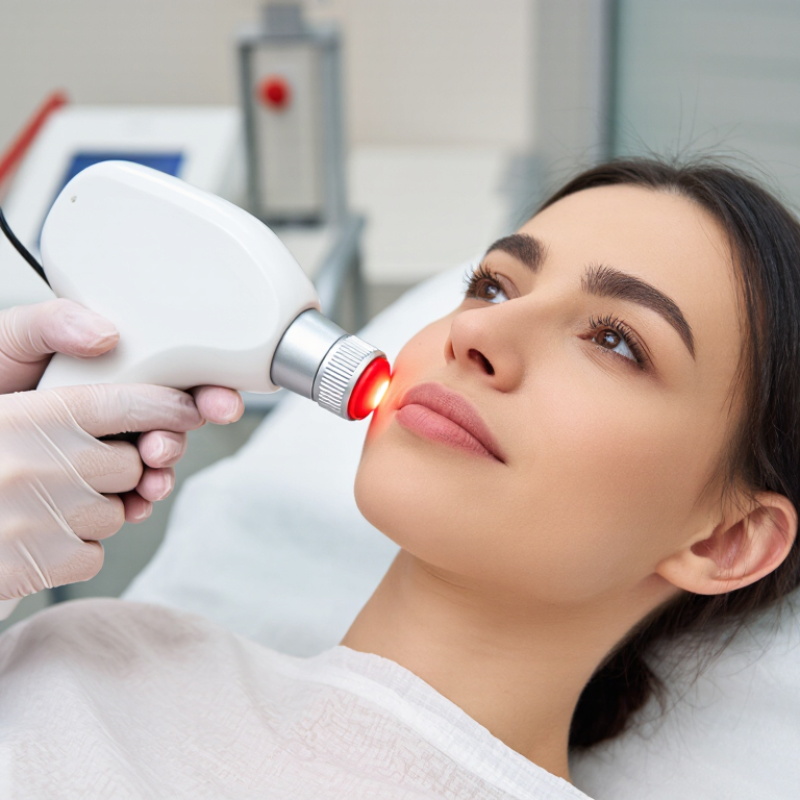
In 2026, fractional non-ablative lasers remain popular for uneven texture, fine lines, and mild acne scars. They heat deeper skin layers while leaving the surface mostly intact. Recovery is usually shorter, but results develop gradually. Fractional ablative lasers, including carbon dioxide and erbium systems, remove microscopic columns of skin. They can create stronger resurfacing results, yet swelling and downtime are more noticeable.
Picosecond lasers are widely used for selected pigmentation concerns and some tattoo colours. Vascular lasers target visible redness, facial vessels, and certain birthmarks. Diode and long-pulsed lasers remain common for unwanted hair, although skin tone and hair colour affect results. The International Society of Aesthetic Plastic Surgery reported 19.1 million nonsurgical aesthetic procedures worldwide in its 2023 Global Survey. That figure reflects strong demand, but reporting categories differ between countries.
The safest choice depends on diagnosis, melanin level, medication history, and sun exposure. Darker skin may need conservative settings and test spots, because post-inflammatory hyperpigmentation can occur. A qualified dermatology professional should assess the skin before treatment. That matters.
No single laser is best for everyone. I would question clinics promising permanent perfection after one session. Even well-designed treatments can disappoint when the diagnosis is wrong, aftercare is ignored, or expectations become unrealistic.
Laser skin treatments use focused light to interact with specific targets in the skin. These targets may include pigment, blood vessels, hair follicles, or water in skin cells. The device delivers controlled energy at a selected wavelength. That energy creates heat or gently removes damaged surface tissue.
The body then begins a repair process. New collagen may form as treated tissue heals, which can soften fine lines and improve uneven texture. Some lasers target pigment without removing the outer layer. Others create tiny treatment channels, leaving nearby skin untouched to support faster healing. It can feel warm, sharp, or like small rubber-band snaps. Cooling systems may reduce discomfort.
Results depend on skin tone, treatment depth, sun exposure, and the condition being treated. A qualified medical professional should assess these factors before treatment. Darker skin may need carefully adjusted settings because excess heat can trigger temporary or lasting color changes. Healing may include redness, swelling, dryness, or peeling. Do not pick the skin.
The process is precise, but not perfectly predictable. One session may not create the hoped-for change. I would question any claim promising flawless skin or zero recovery time. A careful consultation, realistic expectations, eye protection, and consistent sun protection matter more than dramatic advertising.
Laser skin treatments can target several visible concerns, but they are not universal erasers. A qualified dermatologist may use different wavelengths for brown spots, sun damage, redness, acne scars, fine lines, or unwanted hair. Pigment-focused treatments can fade uneven patches. Vascular-focused options may reduce visible small vessels and persistent facial redness. Resurfacing lasers remove damaged outer layers and stimulate collagen. This may soften rough texture and shallow acne scars. Results vary.
The right approach depends on skin tone, medical history, active acne, medications, and the concern itself. A professional assessment should come before treatment. Darker skin may need conservative settings to reduce post-inflammatory hyperpigmentation risks. Some patients need several sessions, spaced weeks apart. Others notice only modest change. That can feel disappointing. Treated skin may look red, swollen, or temporarily darker before it improves.
Reliable care includes protective eyewear, a patch test when appropriate, clear aftercare, and realistic expectations. Daily broad-spectrum sunscreen matters, especially after pigment or resurfacing procedures. Picking peeling skin can prolong irritation and increase discoloration. Lasers cannot correct every scar or wrinkle, and they do not stop new sun damage. A licensed clinician should explain possible burns, infection, pigment changes, and downtime before consent. Consistent photographs can track progress more honestly.
Different medical lasers target specific skin structures. The chart shows representative wavelengths commonly associated with major laser treatment categories and their typical cosmetic or dermatologic applications.
Fractional CO2 and Er:YAG lasers are commonly used for resurfacing concerns such as wrinkles, texture irregularities and acne scars. Pulsed-dye lasers target visible blood vessels and redness, while Nd:YAG and alexandrite lasers are widely used for hair reduction and selected pigmentation concerns. Results, risks and suitability depend on skin type, the condition being treated and professional assessment.
Wavelengths shown are representative values: fractional CO2 10,600 nm, Er:YAG 2,940 nm, Nd:YAG 1,064 nm, alexandrite 755 nm and pulsed-dye laser 595 nm. Actual devices and treatment settings may vary.
Laser skin treatments can address several visible concerns with controlled light energy. Patients may notice smoother texture, softer fine lines, and more even pigmentation. Some procedures can also reduce acne-scar irregularity or sun-related roughness. The exact benefit depends on the laser type, treatment depth, skin tone, and condition being treated. A qualified medical professional should assess these factors before treatment. Good results begin with accurate diagnosis.
During treatment, patients may feel warmth, snapping, or brief stinging. Redness can resemble mild sunburn, while deeper treatments may cause swelling or peeling. Downtime varies from one day to several weeks. Many people return to normal activities quickly, but recovery speed does not guarantee dramatic improvement. Results often develop gradually as collagen remodeling continues. Skin may look brighter first, then feel firmer over time. It is easy to expect perfection too soon.
Patients should also expect limits. Laser treatment cannot stop aging or replace daily sun protection. Multiple sessions may be recommended for scars, uneven tone, or persistent redness. Conservative, personalized plans are usually more reliable. They include clear aftercare, realistic photographs, and follow-up checks. Patients should report unusual pain, blistering, or lasting color changes promptly. Ask about risks, alternatives, and the clinician’s experience with your skin type. Small decisions matter.
Choosing a laser skin treatment should begin with your skin, not a trend. A qualified dermatologist can assess pigmentation, redness, acne scars, texture, and unwanted hair. Different lasers reach different depths and create different recovery periods. Ask what result is realistic, how many sessions may be needed, and who will perform the procedure.
Share your medical history honestly. Mention recent tanning, cold sores, allergies, pregnancy, medication, and any tendency toward raised scars. Darker or easily pigmented skin may need special settings and careful test areas. A small patch test can reveal irritation before a larger treatment. It is not a perfect guarantee, but it adds useful information. I once underestimated how much skin type affects recovery; that assumption needed correcting.
Prepare by avoiding tanning and following the clinic’s instructions about creams, exfoliation, and hair removal. Arrive with clean skin unless your clinician advises otherwise. Plan several quiet days if swelling, redness, or peeling is possible. Afterward, use gentle cleansing, approved moisturiser, and broad-spectrum sunscreen. Do not pick flakes or apply harsh active ingredients too soon. Contact a medical professional if pain worsens, blistering appears, or redness spreads. Photos taken in the same lighting can help track progress, though they cannot replace clinical assessment.
How to Choose and Prepare for a Laser Treatment
| Treatment Category | Common Skin Concerns | Potential Benefits | Typical Downtime | Typical Treatment Plan | Skin Tone Considerations | Common Preparation Steps | Important Safety Notes |
|---|---|---|---|---|---|---|---|
| Non-Ablative Fractional Laser Resurfacing |
Fine lines, uneven texture, mild acne scars, enlarged pores and sun-related changes. | Stimulates collagen remodeling while leaving the outer skin layer largely intact; may gradually improve texture and tone. | Usually mild redness, warmth or swelling for several hours to 3 days. Peeling may occur with some settings. | Often 3–5 sessions spaced about 4–6 weeks apart, followed by maintenance according to skin goals. | Can be used across many skin tones, but conservative settings and careful monitoring are important for medium-to-deep skin tones because temporary darkening can occur. | Use daily broad-spectrum sunscreen; avoid tanning; disclose recent isotretinoin, active skin disease, cold sores and photosensitizing medicines. | Results develop gradually. Temporary redness, swelling, acne-like bumps or post-inflammatory hyperpigmentation are possible. |
| Ablative Fractional CO₂ or Er:YAG Laser Deep Resurfacing |
More pronounced wrinkles, significant sun damage, textural irregularities and selected acne or surgical scars. | Removes microscopic columns of damaged skin and promotes stronger collagen remodeling; generally produces more substantial resurfacing than non-ablative treatment. | Commonly about 5–14 days, depending on the laser, treatment depth and treated area. Redness can last longer. | Often 1–3 treatments, usually separated by several months to allow complete healing. | Higher risk of prolonged redness and pigment changes in darker skin tones. A specialist experienced with the patient’s skin tone should select the settings. | Stop tanning; follow instructions about retinoids, exfoliating products and active ingredients; arrange time for wound care and avoid picking or rubbing the skin. | Requires careful aftercare. Infection, delayed healing, scarring and pigment alteration are uncommon but important risks to discuss. |
| Pulsed-Dye Laser (PDL) Vascular |
Facial redness, visible small blood vessels, rosacea-related vessels and some scars or benign vascular marks. | Targets blood vessels with selective light absorption and may reduce redness or the appearance of vascular lesions. | Redness and swelling are common. Bruise-like purple spots may last approximately 7–14 days, depending on settings. | Often 1–4 treatments spaced about 4–8 weeks apart; the number varies by condition and vessel depth. | Can be used in many skin tones, but pigment changes and burns remain possible, particularly with tanning or inappropriate settings. | Avoid tanning and self-tanners; disclose medications that increase photosensitivity or bruising; tell the provider about a history of cold sores. | Not every red mark is vascular. A qualified clinician should confirm the diagnosis before treatment. |
| Long-Pulsed Nd:YAG 1064 nm Hair Removal Vascular |
Unwanted hair and selected deeper vascular concerns, depending on the device and clinical indication. | Can produce long-term hair reduction when pigment in the hair follicle absorbs the laser energy; may also treat some deeper vessels. | Redness and follicular swelling often settle within several hours to 2 days. | Hair reduction commonly requires about 4–8 sessions, usually spaced 4–8 weeks apart, because only hairs in certain growth phases respond. | The 1064 nm wavelength generally penetrates deeply and is often selected for darker skin tones, but correct cooling and settings are essential. | Shave rather than wax or pluck before treatment as instructed; avoid tanning; disclose medications and any history of abnormal scarring. | It provides reduction rather than guaranteed permanent removal. Blistering or temporary light or dark marks can occur if skin is tanned or settings are unsuitable. |
| Q-Switched or Picosecond Laser Pigment Tattoo |
Selected benign brown spots, lentigines and tattoo pigment, after appropriate diagnosis. | Delivers very short pulses that can fragment targeted pigment for gradual clearance by the body. | Redness and swelling are common. Pigment darkening, lightening or temporary crusting may occur for days to weeks. | Benign pigment lesions may need 1–3 or more sessions; tattoos often require multiple sessions, frequently separated by at least 6–8 weeks. | Darker skin tones have a greater risk of post-inflammatory hyperpigmentation or hypopigmentation. Test spots and conservative treatment may be appropriate. | Avoid tanning; do not pick crusts; disclose isotretinoin use, recent sun exposure, active infections and any tendency toward keloid scars. | Any changing, irregular or uncertain pigmented lesion should be medically evaluated before laser treatment. Lasers should not be used to remove an undiagnosed mole. |
| Fractional Thulium or Other Non-Ablative Pigment-Focused Laser Tone |
Uneven tone, selected superficial sun spots and some melasma-related discoloration under specialist supervision. | May improve the appearance of superficial pigmentation with limited surface injury and relatively short recovery. | Often several hours to a few days of redness, dryness or mild flaking. | Commonly performed as a series of 2–5 sessions, with timing based on the device, indication and skin response. | Melasma and darker skin tones can worsen after heat or inflammation. Pigment-focused treatment should be individualized and may require medical skincare and strict sun protection. | Use broad-spectrum SPF 30 or higher daily; avoid tanning and irritating products; discuss hormonal factors, pregnancy and previous pigment reactions. | Melasma can recur. Laser treatment is not always first-line and may be combined with non-laser medical management. |
| Intense Pulsed Light (IPL) Light-Based Comparison |
Sun-related freckles, diffuse redness and selected superficial vessels or hair concerns. | Uses a broad spectrum of light rather than a single laser wavelength; may improve overall redness and mottled pigmentation in suitable candidates. | Usually mild redness and temporary darkening of pigmented spots for several days to about 1–2 weeks. | Often 3–5 sessions spaced about 3–6 weeks apart, depending on the indication. | Best suited to lighter, untanned skin. The risk of burns and pigment changes increases with darker or recently tanned skin. | Avoid tanning and self-tanners; do not use on recently sunburned skin; disclose photosensitizing medicines and active skincare ingredients. | IPL is not technically a laser. A trained professional should confirm that the target concern is appropriate for broad-spectrum light. |
Fractional non-ablative lasers heat deeper layers while leaving most surface skin intact. Recovery is usually shorter. Results appear gradually.
Fractional ablative lasers remove tiny columns of damaged skin. They may improve rough texture and shallow acne scars. Swelling and peeling can be stronger.
Pigment-focused lasers may fade selected brown spots and uneven patches. Vascular lasers may reduce visible vessels and persistent facial redness. Results vary.
Diode and long-pulsed lasers can reduce unwanted hair over several sessions. Skin tone and hair colour affect the response. Complete permanence is not guaranteed.
No single laser works best for everyone. Skin tone, melanin level, medication history, and sun exposure influence treatment choices.
Darker skin may need conservative settings and test spots. These steps can reduce post-inflammatory hyperpigmentation risks. They cannot remove every risk.
Avoid tanning and follow instructions about creams, exfoliation, and hair removal. Arrive with clean skin unless advised otherwise. Plan quiet days.
Use gentle cleansing, approved moisturiser, and broad-spectrum sunscreen. Do not pick peeling skin or apply harsh active ingredients too soon.
Seek advice if pain worsens, blisters appear, or redness spreads. Increasing irritation should not be ignored. Better to ask early.
Take photographs in the same lighting before and after treatment. Several sessions may be necessary. My earlier assumption that quick results were typical needed correcting.
In 2026, laser skin treatments remain a popular option for improving skin tone, texture, and overall appearance. Common approaches include resurfacing, pigmentation-targeting, vascular treatments, and collagen-stimulating procedures. By delivering controlled energy to specific layers of the skin, lasers can remove damaged surface cells, heat deeper tissue, or target visible discoloration without affecting surrounding areas. Treatment choice depends on the patient’s skin type, concerns, recovery preferences, and professional assessment.
What are the benefits of laser skin treatments? Patients may experience smoother texture, reduced appearance of fine lines, acne scars, uneven pigmentation, redness, enlarged pores, and sun-related damage. Some treatments can also encourage natural collagen production, helping the skin look firmer and refreshed over time. Before treatment, patients should consult a qualified professional, discuss medical history and expectations, avoid unnecessary sun exposure, and follow personalized preparation and aftercare instructions. Results and recovery vary, so realistic expectations and proper guidance are essential.