How to Address Common Skin Concerns with Laser Treatments?

Time:2026-06-13 Author:Isabella
0%

Laser treatments have emerged as a popular solution for various skin concerns. Dr. Emily Carter, a renowned dermatologist specializing in laser therapy, once stated, "Laser treatments can effectively tackle numerous skin issues, enhancing both appearance and confidence." But what skin concerns can laser treatments address? This question is crucial for anyone considering these procedures.

Common issues include acne scars, pigmentation, and fine lines. Each concern requires specific laser technology and expertise. For instance, fractional lasers work well on scars, while IPL treats pigmentation effectively. Patients often feel overwhelmed by the options. Choosing the right treatment isn’t always straightforward.

Moreover, expectations should align with reality. While many see significant improvements, results can vary. Factors such as skin type and the severity of the concern play a role. Consulting with an experienced practitioner is essential. Not all treatments work for everyone, and discussing individual skin issues is key. Users should reflect on their specific needs and desired outcomes. This awareness enhances the overall effectiveness of the chosen laser treatment.
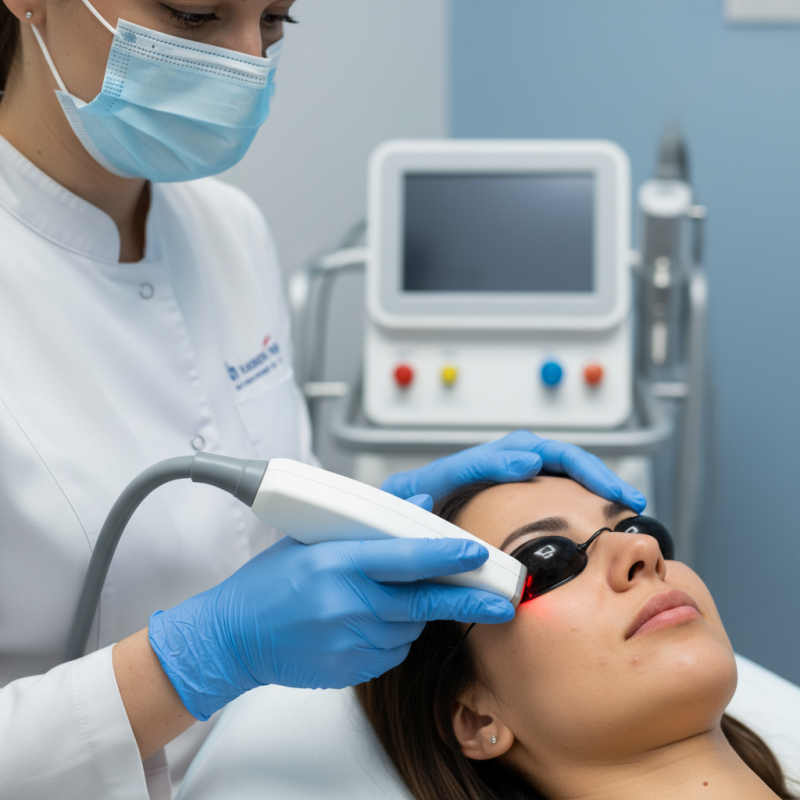
How to Address Common Skin Concerns with Laser Treatments?

Understanding Common Skin Concerns Treated by Laser Treatments

Laser treatments have become a popular choice for addressing various skin concerns. Many individuals seek these treatments to improve issues like acne scars, pigmentation, and wrinkles. Each of these problems has unique characteristics that can benefit from the precision of laser technology.

Acne scarring is one of the most common concerns. It can deeply affect self-esteem. Laser treatments can stimulate skin regeneration, improving texture and appearance over time. Pigmentation irregularities, such as sunspots, often make the skin look uneven. Laser therapy effectively targets these areas, promoting a more balanced complexion. Additionally, wrinkles and fine lines demonstrate aging signs that can be softened through laser therapy, leading to a refreshed look.

There are challenges to consider. Not every skin type responds the same way to laser treatments. Some may experience temporary irritation or redness. Patience is key, as results can take time to show. Consulting with a qualified dermatologist can ensure the right approach. Understanding your unique skin characteristics is essential in finding a suitable laser treatment. This process requires reflection and an open mind about the options available.

How to Address Common Skin Concerns with Laser Treatments?

Skin Concern Laser Treatment Treatment Description Expected Results Recovery Time
Acne Scars Fractional Laser Targets deeper layers to promote collagen production. Significant reduction in scar appearance. 1-2 weeks
Hyperpigmentation Q-Switched Laser Targets melanin in the skin to break it down. Lightened skin tone and even pigmentation. A few days
Wrinkles CO2 Laser Removes outer layers and promotes collagen regeneration. Smoother skin texture and reduced fine lines. 1-3 weeks
Vascular Lesions Pulsed Dye Laser Specifically targets blood vessels. Reduction or disappearance of vascular lesions. 1 week
Uneven Skin Texture Erbium Laser Removes superficial skin layers, improving texture. Smoother and more refined skin appearance. 3-10 days

Types of Laser Treatments and Their Specific Applications

Laser treatments offer a range of solutions for various skin issues. Understanding the types of laser therapies can help you choose the right one for your needs. For instance, ablative lasers, like CO2 lasers, target damaged skin layers. They work well for acne scars and deep wrinkles. The results can be dramatic but may require downtime for the skin to heal.

Non-ablative lasers are a gentler option. They stimulate collagen without damaging the surface. Common uses include treating sun damage and improving skin tone. These treatments are ideal for those looking for less invasive procedures. However, they may require multiple sessions for optimal results.

Each laser type comes with its own set of advantages and potential downsides. Some patients experience redness or swelling post-treatment. This often fades, but it’s crucial to understand your skin type and concerns. Consulting with a skincare professional can provide personalized guidance.

How Laser Treatments Improve Skin Texture and Tone

Laser treatments are becoming a popular choice for improving skin texture and tone. They can address various skin concerns, including uneven texture, pigmentation, and fine lines. By using focused light energy, laser therapies stimulate collagen production. This process results in smoother skin that reflects light better.

When considering laser treatments, it's essential to consult a qualified professional. They can assess your skin type and recommend suitable procedures. Different laser types target various issues. For example, ablative lasers remove outer layers of skin, while non-ablative lasers work underneath the surface. Knowing the right type for your skin is crucial.

**Tip:** Stay hydrated before and after your treatment. Hydration helps your skin recover faster and improves the results.

Additionally, consider your skincare routine post-treatment. Use gentle products to avoid irritation. Incorporating a broad-spectrum sunscreen into your daily regimen is vital. Laser treatments can make your skin more sensitive to sunlight.

**Tip:** Patience is key. Results may take time to fully develop, and not every treatment yields perfect outcomes. Reflection on your progress can guide future treatments.

How Laser Treatments Address Common Skin Concerns

Safety Considerations and Side Effects of Laser Procedures

Laser treatments offer significant benefits in addressing various skin concerns, but safety considerations are paramount. Clinical data indicates that nearly 30% of patients report side effects such as redness or swelling post-treatment. A comprehensive study observed that the risk of adverse effects increases with aggressive laser settings. It is crucial to discuss these risks with a certified practitioner before undergoing procedures.

Burning sensations and blistering are also potential outcomes. The American Society for Dermatologic Surgery notes that these are often temporary but can be distressing. Patients should anticipate a healing period where skin may temporarily look worse. It's important to adhere to aftercare instructions to minimize complications. While many achieve satisfactory results, not everyone responds similarly. Individual skin types and conditions can influence the effectiveness of treatments.

Moreover, some skin types may experience hyperpigmentation or scarring. This is particularly true for those with darker skin tones. Understanding these risks allows patients to make informed decisions. Regular follow-ups can help monitor and address any lingering side effects. Engaging in an open dialogue with professionals can clarify what to expect and empower patients in their skin health journey.

Post-Treatment Care and Maintenance for Optimal Results

Post-treatment care is essential for achieving optimal results after laser treatments for skin concerns. Studies show that 70% of clients enhance their outcomes with proper aftercare. This process increases the skin's healing capabilities and minimizes side effects. A gentle cleanser and soothing moisturizers should be used, promoting hydration without irritation.

Maintaining results involves regular follow-ups. Clients are encouraged to attend sessions as recommended, typically every four to six weeks. Dermatologists emphasize the importance of applying broad-spectrum sunscreen daily. UV exposure can significantly reduce the effects of laser treatments. Research indicates that 65% of skin rejuvenation results can be compromised by sun damage if proper precautions are not taken.

Moreover, it’s crucial to engage in a careful lifestyle. Hydration is vital; drinking enough water aids skin recovery. Incorporating a balanced diet rich in antioxidants supports skin health. However, some clients may overlook these aspects, impacting their results. Reflecting on habits and being proactive in skincare can lead to better outcomes. Consistency in care combined with professional guidance amplifies the benefits of laser treatments.

FAQS

: What are ablative lasers used for?

: Ablative lasers target damaged skin layers. They effectively treat acne scars and deep wrinkles.

How do non-ablative lasers differ from ablative ones?

Non-ablative lasers stimulate collagen without harming the surface. They are gentler and require fewer downtime.

Are there side effects associated with laser treatments?

Yes, common side effects include redness and swelling. Nearly 30% of patients report these after treatment.

Can laser treatments cause more serious issues?

Burning sensations or blistering can occur. These are usually temporary but can be distressing for patients.

Is it necessary to follow aftercare instructions?

Yes, adhering to aftercare is crucial. It minimizes complications and supports proper healing.

Do all patients respond the same to laser treatments?

No, individual responses vary. Factors like skin type and condition significantly influence treatment effectiveness.

What should patients with darker skin tones consider?

Those with darker skin may face higher risks of hyperpigmentation or scarring. Understanding this is essential.

How can patients prepare for laser treatments?

Discussing risks with a certified practitioner is vital. They provide personalized guidance based on skin needs.

How often might one need non-ablative treatments?

Non-ablative treatments may require multiple sessions for optimal results. Patience is necessary for better outcomes.

What if side effects persist after treatment?

Regular follow-ups are important. They help monitor any lingering issues and allow for timely interventions.

Conclusion

Laser treatments have emerged as an effective solution for addressing various skin concerns, including acne scars, pigmentation issues, fine lines, and uneven skin tone. Understanding what skin concerns can laser treatments address is crucial for individuals seeking to enhance their complexion. Different types of lasers, such as ablative and non-ablative options, cater to specific skin issues and have been designed to improve skin texture and tone effectively.

Although laser procedures are generally safe, it's important to be aware of potential side effects, such as redness or swelling. Proper post-treatment care plays a vital role in achieving optimal results, including moisturizing and sun protection. By following these guidelines and understanding their skin issues, individuals can make informed decisions about their laser treatment options.

Isabella

Isabella

Isabella is a dedicated marketing professional with a sharp focus on driving brand growth and engagement through strategic content creation. With an extensive background in digital marketing, she combines her passion for storytelling with her keen understanding of industry trends to deliver......