What Should Clinics Consider When Investing in Laser Technology?

Time:2026-08-14 Author:Liam
0%

Investing in laser technology can reshape a clinic's services. However, many clinics face challenges in making these decisions. The global medical laser market is projected to reach $10.6 billion by 2026, according to a report by MarketsandMarkets. This growth underscores the importance of informed investments in laser technology.

Dr. Jane Smith, a leading expert in laser medicine, emphasizes, "Clinics must evaluate their specific needs before investing in advanced technology." Understanding these needs helps clinics select the right equipment. Additionally, considerations like training and equipment maintenance are vital for long-term success.

While laser technology offers numerous benefits, clinics must tread carefully. The wrong investment can lead to wasted resources and unmet patient expectations. Each clinic's unique patient demographic should guide decisions. Future growth hinges on making well-informed choices.
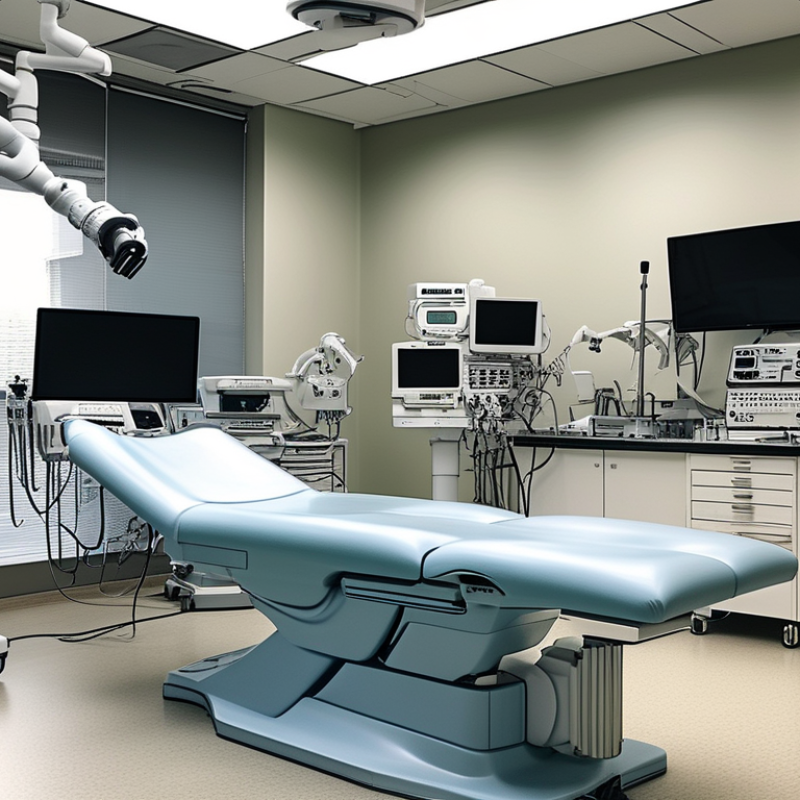
What Should Clinics Consider When Investing in Laser Technology?

Factors Influencing Laser Technology Investment in Clinics

When clinics consider investing in laser technology, several key factors come into play. One primary factor is the return on investment (ROI). According to a 2020 industry report, clinics can expect an average ROI of about 30% within the first year of introducing advanced laser systems. This potential growth can be compelling for clinics aiming to enhance service offerings. However, clinics must also factor in ongoing maintenance costs, which can be significant. Neglecting these expenses can lead to a misestimated financial outcome.

Another critical aspect is the training of staff. Professionals require proper training to optimize laser usage effectively. A study highlighted that clinics investing in thorough training programs notice a 40% increase in patient satisfaction rates. This approach not only improves outcomes but also helps mitigate risks associated with improper use. Investing in skilled personnel ensures that clinics harness technology safely and efficiently, potentially leading to fewer complications and enhanced credibility.

Market demand is another influencing factor. Research indicates that as more patients seek non-invasive treatments, demand for laser services grows. Clinics should analyze local demographics and treatment trends before making investments. Understanding patient needs is essential. Failure to do so may result in underutilized equipment and wasted resources. Balancing technology investment with comprehensive market understanding is vital for success.

Types of Laser Technology for Clinical Use

When considering laser technology for clinical use, understanding the types available is vital. There are several categories of lasers that clinics can utilize. Each type has distinct features and applications. For instance, CO2 lasers are commonly used in dermatology for skin resurfacing and surgical procedures. They offer precision in cutting and minimal damage to surrounding tissues.

Another popular option is the Nd:YAG laser. This type penetrates deeper into the skin and is effective for hair removal and treating vascular lesions. Clinics should weigh the advantages of each laser type based on their patient demographic and treatment goals.

Moreover, clinics need to reflect on their staff's training and experience with these technologies. Not all lasers are intuitive to operate. Proper training ensures safety and efficacy. Additionally, some clinics may invest in versatile lasers capable of performing multiple treatments, emphasizing adaptability. Balancing investment with potential patient outcomes is crucial.

Cost-Benefit Analysis of Laser Equipment

When clinics evaluate laser technology, a cost-benefit analysis is vital. Understanding the initial investment is crucial. Equipment costs can vary widely based on capabilities and features. Maintenance expenses should also be factored in. These include routine servicing and potential repairs. A laser's lifespan impacts its overall value as well.

Operating costs play a significant role too. Energy consumption affects monthly expenses. Training staff on new technology adds another layer of cost. Clinics must weigh these factors against expected revenue. Will the investment attract new patients? Can existing clients benefit from enhanced services?

Real-world results can be unpredictable. Market demand for specific treatments may fluctuate. Patient satisfaction with laser services is not guaranteed. Clinics should gather feedback from early adopters. Understanding the perceptions can guide future investment decisions. An informed decision requires careful consideration and patience.

Regulatory Compliance and Safety Considerations

When clinics explore laser technology investments, regulatory compliance must be prioritized. The American Society for Laser Medicine and Surgery highlights that adhering to guidelines ensures patient safety and handheld device effectiveness. Robust compliance frameworks prevent potential legal issues. Clinics need to regularly review local and national regulations.

Safety considerations are equally crucial. The FDA emphasizes the importance of appropriate training for all staff operating laser equipment. Proper training reduces the likelihood of accidents. A report from the National Institute for Occupational Safety and Health states that improper use can lead to serious injuries or even site contamination. Frequent audits and maintenance checks are essential for all laser devices. Regular oversight not only maintains equipment performance but also enhances safety protocols within the clinic.

Despite best efforts, gaps in compliance may emerge. Clinics should foster a culture of continuous training and feedback. Staff are encouraged to report safety concerns without fear of reprisal. This approach strengthens a clinic’s ability to adapt to regulatory changes effectively. Ultimately, being proactive in regulatory compliance and safety fosters a safer environment for both patients and providers.

Training and Support Needs for Clinic Staff

Investing in laser technology for clinics is not just about the equipment. Training and support for staff are crucial components for success. A recent survey by the American Society for Laser Medicine and Surgery revealed that over 70% of clinics experienced challenges related to staff training on new technology. The effectiveness of laser procedures heavily relies on skilled operators who understand the intricacies of the devices.

Clinics should focus on establishing comprehensive training programs that cover both theoretical and practical aspects of laser technology. For example, hands-on workshops can boost confidence in using lasers safely and effectively. In one study, clinics that implemented structured training saw a 40% improvement in patient satisfaction scores. Ongoing support is also essential, as technology evolves rapidly. Regular refresher courses can help maintain high standards.

Moreover, the availability of resources like online tutorials or consultation with experts can foster a culture of continuous learning. Staff may feel overwhelmed without adequate support, which can lead to operational inefficiencies. Investing in training and support is not merely a trend; it is a critical strategy for clinics aiming to enhance their service quality.

Considerations for Clinics Investing in Laser Technology

This chart illustrates the importance level of various considerations clinics should take into account when investing in laser technology. The aspects evaluated include training, support, maintenance, patient privacy, and cost efficiency, with scores indicating their relative importance in decision-making.

FAQS

: What are the main types of lasers used in clinics?

: CO2 lasers are for skin resurfacing. Nd:YAG lasers are effective for hair removal and vascular lesions.

Why is staff training important for laser technology?

Proper training reduces risks. Not all lasers are intuitive, and inexperienced staff may hinder efficacy.

How can clinics evaluate the cost of laser equipment?

Clinics should consider initial investment, maintenance, and operational costs associated with laser equipment.

What factors impact the longevity of laser equipment?

The design and quality of the equipment determine its lifespan. Regular maintenance can extend usability.

How can clinics assess potential patient outcomes from laser treatments?

Gathering feedback from early adopters helps understand patient satisfaction and treatment effectiveness.

What should clinics consider when choosing a laser?

Patient demographics and treatment goals are vital. Adaptability of the technology is also important.

Are there risks associated with investing in laser technology?

Market demand may vary unpredictably. Clinics need to be prepared for fluctuating patient interests.

How does energy consumption affect laser operating costs?

High energy use increases monthly bills. Clinics need to factor this into their budget planning.

What is a key element for a successful investment in laser technology?

Balancing investment costs with expected revenue can identify if the technology is worth it.

Why might patient satisfaction not be guaranteed with laser services?

Individual experiences can differ widely. Not every treatment will meet patient expectations or wishes.

Conclusion

When considering what clinics should consider when investing in laser technology, several key factors come into play. Firstly, understanding the types of laser technology available for clinical use is crucial, as different applications can significantly impact the decision-making process. A thorough cost-benefit analysis of the equipment is essential to ensure financial viability and identify potential ROI. Additionally, clinics must address regulatory compliance and safety considerations to guarantee that the technology meets all necessary standards. Finally, adequate training and support for clinic staff cannot be overlooked, as proper implementation and operation of laser equipment are vital for both patient safety and optimal outcomes. By carefully evaluating these aspects, clinics can make informed decisions about their investment in laser technology.

Liam

Liam

Liam is a dedicated marketing professional with a profound expertise in the industry, where he excels at highlighting the unique advantages of our core products. With a keen understanding of market trends and consumer needs, Liam frequently updates our company’s professional blog, providing......