Top 10 Ways Energy Based Technology Enhances Aesthetic Treatments?

Time:2026-08-29 Author:Isabella
0%

In recent years, energy-based technology has begun to revolutionize aesthetic treatments. This innovation raises an important question: how does energy-based technology improve aesthetic treatments? By harnessing the power of light, ultrasound, and radiofrequency, clinics are now offering more efficient and effective procedures for clients.

These technologies promote quicker recovery times and better results. For instance, laser treatments can target specific skin issues with precision. Patients experience fewer side effects and less discomfort. However, not every treatment suits every individual. Some may find that the results do not meet their expectations. Therefore, it's essential that patients consult with experienced professionals.

Moreover, the science behind these advancements often evolves rapidly. Clinics must stay updated with the latest techniques to provide optimal care. While energy-based solutions offer significant improvements, ongoing research is crucial for understanding their full potential. Tailoring treatments to individual needs can enhance outcomes, making energy-based options more reliable in aesthetic practices.
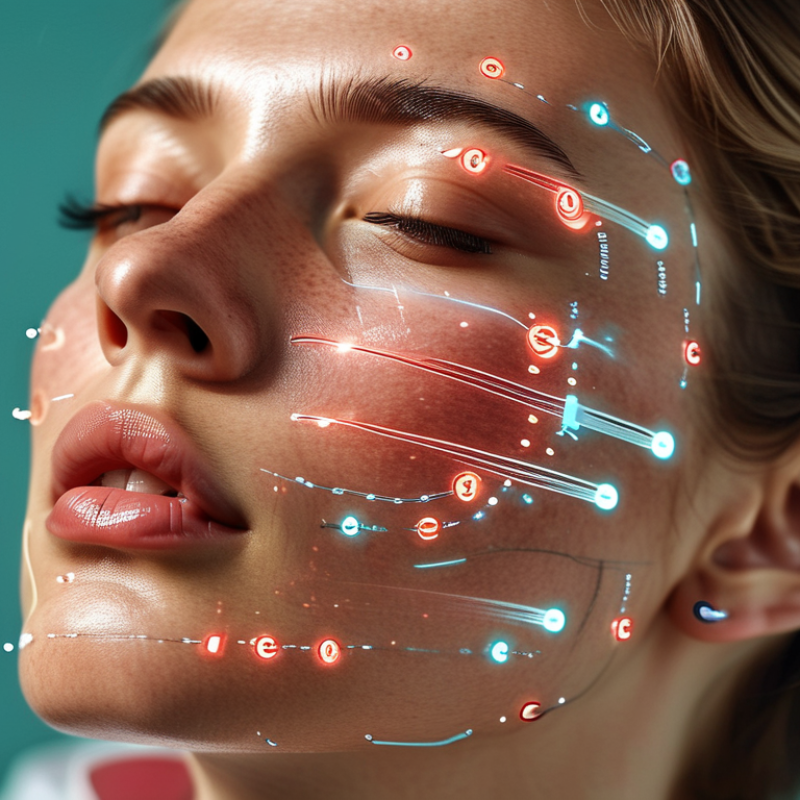
Top 10 Ways Energy Based Technology Enhances Aesthetic Treatments?

Advancements in Energy-Based Technology in Aesthetic Medicine

Advancements in energy-based technology are revolutionizing aesthetic medicine. These innovations incorporate various techniques, such as laser therapy and radiofrequency treatments. These methods focus on skin rejuvenation, hair removal, and body contouring. Patients benefit from minimal downtime and significant results. As these technologies develop, practitioners are discovering new applications in non-invasive treatments.

One significant improvement is in precision. Energy-based devices can target specific skin layers. This minimizes damage to surrounding tissues, which enhances overall safety. The ability to customize treatments increases satisfaction among patients. However, not all individuals respond the same way to these treatments. Variations in skin type or health conditions can affect outcomes.

Training and expertise are crucial in this field. Practitioners must understand the technology’s limitations and risks. In some cases, side effects can occur. Continuous education is essential to maintain high standards of care. This ensures patients receive effective and safe treatments. As energy-based technology evolves, ongoing research will enhance our understanding. This will lead to more refined techniques and better results for patients.

Popular Energy-Based Treatments and Their Applications

Energy-based technologies have transformed aesthetic treatments, offering diverse applications that cater to various skin concerns. Laser therapy, for instance, utilizes focused light to treat skin imperfections. According to the American Society for Aesthetic Plastic Surgery, over 1.5 million laser treatments were performed in the US in 2020 alone. This method is known for precision and less recovery time, making it a popular choice for patients seeking effective results.

Radiofrequency (RF) treatments are another notable innovation. They stimulate collagen production, promoting skin tightening and reducing wrinkles. A clinical study published in the Journal of Cosmetic Dermatology indicated that 80% of participants noted significant improvements in skin texture after RF treatments. However, patient experiences vary; some may report minimal discomfort or uneven results. This underscores the need for thorough consultations and tailored treatment plans.

High-Intensity Focused Ultrasound (HIFU) represents a non-invasive alternative for face lifting. Its ability to penetrate deep skin layers enhances its effectiveness. According to data from the International Society of Aesthetic Plastic Surgery, HIFU treatments have seen a steady increase in popularity over the past few years. Yet, it is essential to acknowledge that not everyone achieves the desired lifting effect, which can lead to disappointment. Understanding individual skin profiles is crucial before embarking on any energy-based treatment journey.

Benefits of Energy-Based Technologies for Skin Rejuvenation

Energy-based technologies offer significant benefits for skin rejuvenation. These methods harness advanced techniques like laser therapy and radiofrequency to promote collagen production. By stimulating deeper skin layers, they enhance texture and firmness. This leads to subtle yet noticeable improvements over time.

Patients often report faster recovery periods compared to traditional treatments. Non-invasive procedures reduce downtime, allowing individuals to resume daily activities quickly. However, results can vary among individuals. Factors like skin type and treatment frequency play a role in outcomes. It's essential to have realistic expectations and discuss these aspects with a qualified professional.

Many patients appreciate the precision of energy-based treatments. They target specific areas without damaging surrounding tissues. However, it's crucial to understand that not every treatment works for everyone. Some may require multiple sessions to achieve desired results. Tailoring treatments to individual needs is vital for success. Open communication with practitioners can help navigate these differences effectively.

Safety and Efficacy of Energy-Based Aesthetic Procedures

The use of energy-based technologies in aesthetic treatments has transformed the landscape of cosmetic procedures. Safety is paramount in these procedures. Devices like lasers, radiofrequency, and ultrasound rely on controlled energy delivery. This precision minimizes damage to surrounding tissues, making treatments safer for patients. However, not all devices have the same safety profiles. Older technologies can carry higher risks. Choosing experienced practitioners is essential to navigate these complexities.

Efficacy is another critical factor. Many energy-based treatments show impressive results, such as skin tightening and wrinkle reduction. For example, radiofrequency microneedling combines two modalities for enhanced results. Yet, efficacy can vary. Some patients may need multiple sessions to achieve optimal results. This potential variability underscores the importance of setting realistic expectations. Each individual responds differently, and some may experience unexpected outcomes.

Awareness and education about these procedures are crucial. Patients should inquire about their practitioner’s qualifications and experience. Researching technology options can aid in making informed decisions. While energy-based treatments hold great promise, continuous advancements may lead to evolving protocols. Awareness of these changes is vital for both practitioners and clients.

Top 10 Ways Energy Based Technology Enhances Aesthetic Treatments

Future Trends in Energy-Based Technologies for Aesthetic Treatments

Energy-based technologies are transforming aesthetic treatments in remarkable ways. These innovations include lasers, ultrasound, and radiofrequency devices that enhance skin rejuvenation. Each technique targets specific concerns, such as wrinkles, pigmentation, and skin laxity. The precision of energy-based devices allows for tailored treatments, providing patients with personalized care. Practitioners find that these technologies often result in less downtime compared to traditional methods.

Future trends indicate a growing integration of artificial intelligence into energy-based treatments. AI can analyze skin conditions more accurately. This leads to tailored treatment plans based on real-time data. Additionally, advancements in energy delivery systems may enhance treatment effectiveness. For instance, combining multiple modalities could yield synergistic effects. However, this rapid evolution also brings challenges. Practitioners must remain educated on these technologies to avoid misuse or over-reliance on them. Training and continuous learning are crucial as the aesthetic landscape evolves.

FAQS

: What are energy-based technologies used for in aesthetic medicine?

: They are used for skin rejuvenation, hair removal, and body contouring.

How do these technologies enhance treatment safety?

They target specific skin layers, minimizing damage to surrounding tissues.

What factors can affect the outcomes of these treatments?

Skin type and individual health conditions can lead to variability in results.

Why is practitioner expertise important in energy-based treatments?

Understanding technology limitations helps manage risks and ensures patient safety.

Can side effects occur with energy-based procedures?

Yes, side effects can happen, and they vary based on individual responses.

What should patients do before undergoing treatment?

They should inquire about the practitioner's qualifications and experience.

How can patients set realistic expectations for results?

Understanding that some may require multiple sessions is crucial for managing expectations.

What advancements may shape the future of energy-based technologies?

The integration of artificial intelligence could lead to more tailored treatment plans.

Why is continuous education essential for practitioners?

It helps them stay updated on evolving technologies and avoid misuse.

What challenges do practitioners face with rapid technology evolution?

They must balance education and practical application to ensure safe treatments.

Conclusion

Energy-based technology has significantly transformed the landscape of aesthetic treatments, offering innovative solutions to enhance skin rejuvenation and overall aesthetic results. Advancements in this field include a variety of applications such as laser therapy, radiofrequency, and ultrasound treatments, each designed to address specific skin concerns with precision and minimal invasiveness. These technologies not only improve treatment efficacy but also provide patients with quicker recovery times and enhanced safety profiles.

Additionally, the benefits of energy-based technologies extend beyond immediate aesthetic outcomes; they promote long-lasting results by stimulating collagen production and improving skin texture. As the industry continues to evolve, future trends indicate a growing integration of advanced techniques, which raises the question: how does energy-based technology improve aesthetic treatments? By harnessing these innovations, practitioners can deliver superior care tailored to individual patient needs, ultimately leading to more satisfying aesthetic experiences.

Isabella

Isabella

Isabella is a dedicated marketing professional with a sharp focus on driving brand growth and engagement through strategic content creation. With an extensive background in digital marketing, she combines her passion for storytelling with her keen understanding of industry trends to deliver......