When people ask, “how do aesthetic lasers improve skin appearance,” the answer is not simply “by removing flaws.” Different wavelengths and pulse patterns target different structures, including pigment, visible blood vessels, and water in the skin. The result depends on the device, settings, treatment area, and a person’s skin tone and medical history.
A useful foundation comes from dermatologist and laser researcher Dr. Rox Anderson, who co-authored the landmark paper “Selective photothermolysis: precise microsurgery by selective absorption of pulsed radiation.” The principle is selective targeting: light energy is absorbed by a chosen skin component, while careful settings aim to limit effects on nearby tissue. That idea helps explain why pigment-focused lasers differ from fractional resurfacing systems. One may soften the look of sun spots; another may support gradual changes in texture. Small details matter.
Leading Chinese manufacturers now offer platforms designed for several aesthetic applications, but “top” does not mean suitable for every person. Treatment quality also relies on practitioner training, accurate assessment, and realistic expectations. A laser can cause irritation, pigment changes, or other complications, especially when settings or aftercare are unsuitable. Results are not identical. And they may take time.
This guide looks at how these devices work, what skin concerns they may address, and what questions to ask before treatment. It also leaves room for an honest point: attractive specifications do not replace careful clinical judgment.
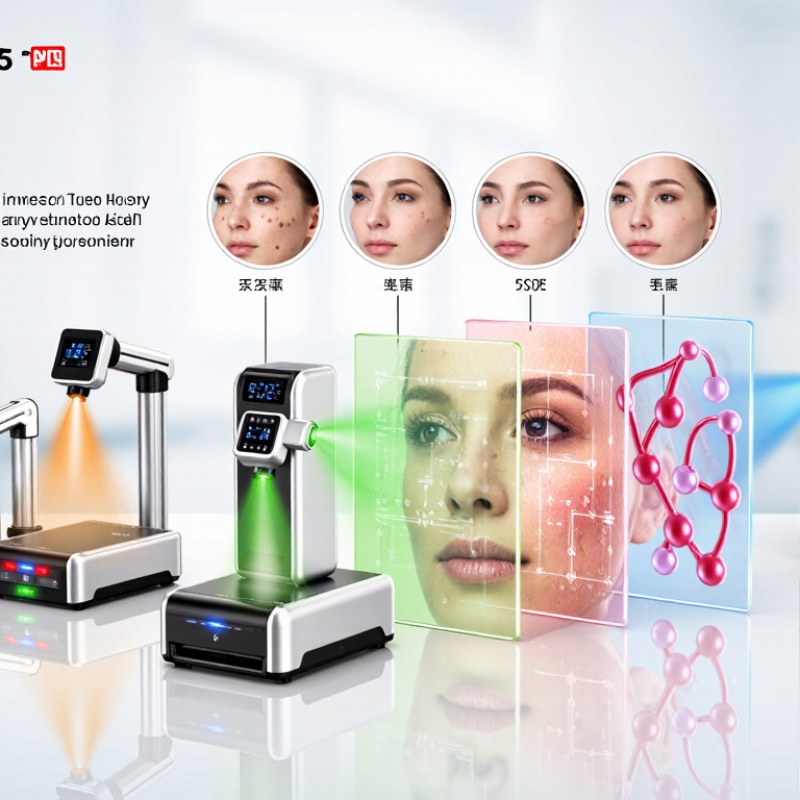
A high-quality Chinese aesthetic laser is defined less by its country of origin than by its engineering, testing, and clinical support. A clinic should be able to verify the device’s wavelength, pulse duration, and energy settings, then match them to the intended treatment. Clear controls matter. So does consistent output: unstable energy can make treatment results harder to predict. Reliable cooling, accessible emergency stops, and straightforward maintenance are practical signs of thoughtful design.
Evidence should go beyond polished product claims. Look for documented performance testing, clear instructions, traceable quality checks, and clinical data relevant to the device’s intended use. The supplier should provide operator training and responsive technical support, while the clinic must assess each patient’s skin, treatment history, and risk factors. Settings that suit one person may not suit another. That matters. Applicable medical-device requirements also vary by market, so buyers should verify local documentation rather than assume one certificate covers every region. No laser is perfect; even a well-built system depends on careful calibration and skilled use. I would also ask how quickly replacement parts can be obtained. It is an unglamorous question, but a useful one.
Engineering, testing, and clinical support matter more than country of origin. Check its wavelength, pulse duration, and energy settings. Output should be consistent. Cooling and emergency stops matter, too.
Ask for performance tests, traceable quality checks, clear instructions, and relevant clinical data. Operator training and responsive technical support are useful. Verify local requirements; one certificate may not cover every market. Easy to overlook.
Selected wavelengths target pigment, breaking it into smaller particles that the body gradually clears. A spot may look darker before fading. Not every mark is suitable for laser treatment.
Certain wavelengths heat targeted blood vessels while limiting exposure to nearby tissue. Temporary warmth or redness can follow. Skin tone and the cause of redness affect results.
Fractional lasers create tiny zones of controlled heat, leaving nearby skin intact. Healing may support collagen remodeling and soften some roughness or fine lines. Results are not perfectly predictable.
A clinician should review your goals, medical history, skin tone, medications, and recent sun exposure. Ask what improvement is realistic and how many sessions may be needed. Settings differ.
You may feel brief warmth or snapping sensations. Cooling and eye protection are commonly used. Redness, swelling, dryness, or peeling may follow. Don’t pick at flakes.
Changes may develop over several weeks, and some people need more sessions. Similar-lighting photos can help track progress, though they are imperfect evidence. Contact your clinician about pain, blisters, worsening swelling, or unusual pigment changes. Skin needs time.
High-quality Chinese aesthetic lasers combine precise energy control, reliable cooling, and adjustable settings to support consistent, carefully targeted treatments. To understand how do aesthetic lasers improve skin appearance, it helps to look at how different wavelengths interact with the skin: some target excess pigment, others focus on visible blood vessels, while fractional or resurfacing approaches encourage renewal of uneven texture. The treatment method is selected according to the concern being addressed and the individual’s skin characteristics.
These lasers may be used to improve the appearance of sun spots, redness, certain vascular marks, fine lines, acne-related texture, and enlarged-looking pores. A qualified professional evaluates skin tone, sensitivity, medical history, and treatment goals before choosing suitable settings. Mild redness or swelling may occur after a session, and recovery varies depending on the procedure and the individual. Results generally develop over time and may require a series of treatments, along with appropriate sun protection and aftercare.

 Derma Laser