The beauty industry is rapidly evolving, and laser technology plays a crucial role in skin rejuvenation. Numerous studies indicate that laser treatments can improve skin texture and reduce signs of aging. For example, a report by the American Society for Dermatologic Surgery states that 75% of patients experience significant improvements after laser procedures. Understanding how does laser technology help with skin rejuvenation is vital for both professionals and patients.
Laser technology works by stimulating collagen production, which is essential for youthful skin. This process can reduce fine lines, wrinkles, and even pigmentation issues. The precise targeting of laser energy allows for minimal damage to surrounding tissues, promoting faster recovery. However, not all laser treatments are universally effective. Some patients may require multiple sessions to achieve their desired results.
Moreover, the variability of skin types adds a layer of complexity to treatment outcomes. While many enjoy excellent results, there are instances of unexpected reactions. Individual skin responses can differ based on various factors, including skin tone and overall health. Therefore, ongoing research and personalized approaches are essential to enhance the effectiveness of laser technologies in skin rejuvenation.
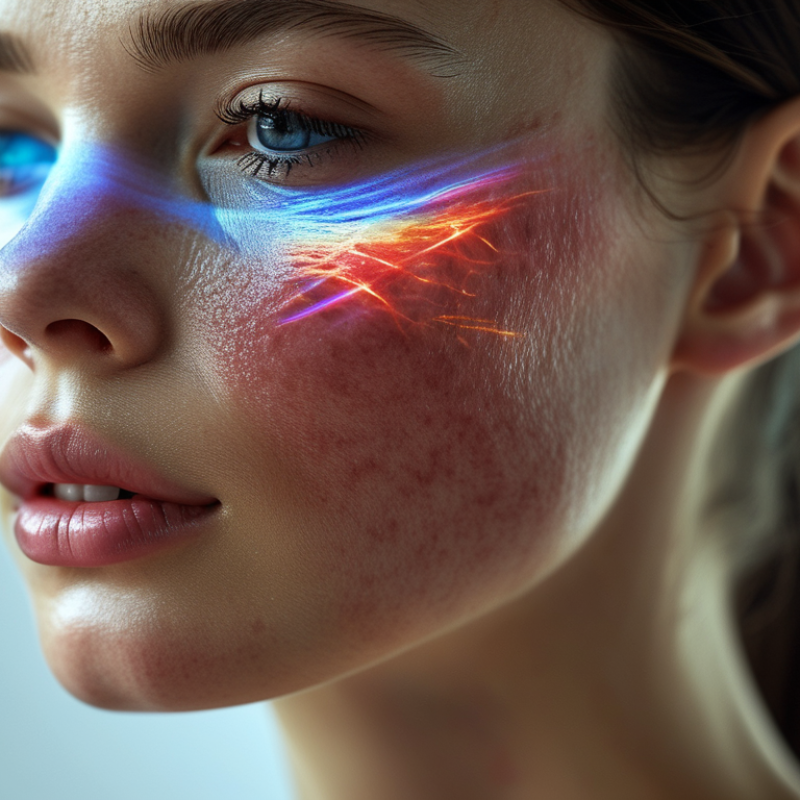
Laser technology plays a pivotal role in modern dermatology. Its precision allows for targeted treatments, minimizing damage to surrounding tissues. According to a report from the American Society for Dermatologic Surgery, 83% of dermatologists confirm that laser treatments are highly effective for skin rejuvenation. The ability to treat various issues, from pigmentation to wrinkles, makes lasers valuable tools in the field.
Different types of lasers serve distinct purposes. For instance, fractional lasers create micro-injuries in the skin, promoting collagen production. This method can lead to noticeable improvements in texture and tone over time. However, patients should be aware of potential side effects, such as redness and swelling. Skin sensitivity varies, and individual responses are not always predictable.
The success of laser procedures often depends on the experience of the practitioner. A study indicated that outcomes are significantly better when performed by board-certified dermatologists. Proper patient selection is crucial. Not every skin type is suitable for every laser treatment. Understanding these nuances can enhance the overall efficacy of skin rejuvenation efforts.
Laser treatments offer various approaches to skin rejuvenation. Among these, ablative and non-ablative lasers stand out.
Ablative lasers, like CO2 and Erbium, remove the outer layer of skin. This process stimulates collagen production, leading to smoother and firmer skin. Patients often notice significant improvements in texture and tone.
Non-ablative lasers, on the other hand, penetrate the skin without damaging its surface. They are ideal for those seeking less downtime. Such treatments use lower energy levels to heat the skin, encouraging collagen growth over time. Results are gradual but can be quite effective. Many patients appreciate this option due to its minimal side effects.
Each type of laser treatment has its benefits and drawbacks. Some might require multiple sessions for optimal results. Healing times vary based on the treatment type and individual skin responses. It's crucial to consult a qualified professional before starting any procedure. Proper guidance ensures a safe and effective experience for each patient's unique needs.
Laser technology plays a vital role in skin rejuvenation. It improves skin texture and tone through advanced mechanisms. Lasers target specific skin layers, promoting collagen production. This process helps to heal and revitalize the skin. The heat from the laser stimulates the body's natural healing response. As a result, old skin cells shed, making way for new, healthy ones.
Different laser types serve various needs. Ablative lasers remove thin layers of skin. They help with deep wrinkles and scars. Non-ablative lasers penetrate the skin without damaging its surface. They improve collagen without significant downtime. Both methods encourage cellular renewal, leading to a more youthful appearance. Users may experience temporary redness or swelling. These side effects are often mild and resolve quickly.
A deep understanding of skin biology is crucial for effective treatment. The skin's response can vary from person to person. This makes personalized treatment plans essential. It’s not all about immediate results. Long-term commitment is necessary for sustained benefits. Skin reactions and recovery times highlight the need for professional guidance.
Laser-assisted skin rejuvenation offers numerous benefits. This technology can effectively reduce wrinkles, fine lines, and skin texture inconsistencies. Unlike traditional methods, lasers target specific skin layers without damaging surrounding tissue. As a result, recovery time is significantly reduced, allowing patients to return to their daily activities sooner.
The precision of laser procedures ensures optimal outcomes. For instance, fractional lasers create tiny wounds, promoting natural collagen production. This process leads to a rejuvenated appearance over time. Many patients report firmer, smoother skin following treatment. However, experiences may vary, and some individuals might need multiple sessions for desired results.
**Tips:** Always consult a qualified dermatologist before undergoing laser treatment. A professional assessment can identify the most effective approach for your skin type. Consider starting with less invasive options if you feel uncertain. After treatment, apply sunscreen diligently. Protecting your skin is crucial for maintaining its new glow and preventing further damage.
| Benefit | Description | Effectiveness | Treatment Duration | Recovery Time |
|---|---|---|---|---|
| Collagen Stimulation | Promotes natural collagen production for firmer skin. | High | 30-60 minutes | 1-2 weeks |
| Skin Texture Improvement | Smoothens rough skin and reduces pore size. | Moderate | 45-120 minutes | 3-5 days |
| Pigmentation Reduction | Minimizes dark spots and uneven skin tone. | High | 30-90 minutes | 1 week |
| Wrinkle Reduction | Targets fine lines and wrinkles for smoother appearance. | Moderate | 30-60 minutes | 5-7 days |
| Scar Treatment | Reduces acne scars and other surgical scars. | High | 60-120 minutes | 1-2 weeks |
Laser treatments offer impressive skin rejuvenation benefits. However, potential risks are essential to consider. Skin irritation, redness, and swelling are common after laser sessions. Some individuals may experience prolonged discomfort. Healing time varies, depending on skin type and treatment intensity.
Aftercare is crucial to minimize complications. It’s vital to follow specific instructions from skin professionals. Keeping the treated area clean helps prevent infection. Sun exposure should be limited during recovery. Using a gentle moisturizer can aid healing. Staying hydrated is also important for skin health.
Not all reactions to laser treatment are predictable. Some patients might not see immediate results. Patience is necessary; improvements may take time. Regular follow-ups with skin specialists can help manage expectations. Maintaining realistic goals is key. Seeking professional advice ensures informed decisions about skin treatments.
: Laser technology is essential in dermatology, offering precise, targeted treatments while minimizing damage to surrounding tissues.
A significant percentage of dermatologists believe laser treatments are highly effective for various skin issues, including pigmentation and wrinkles.
Fractional lasers create micro-injuries in the skin, encouraging collagen production, which improves texture and tone over time.
Patients may experience redness, swelling, and skin irritation after laser sessions, with some facing prolonged discomfort.
The experience of the practitioner greatly affects the success of laser procedures, with better outcomes linked to board-certified dermatologists.
Understanding skin types and proper patient selection are crucial for enhancing treatment efficacy and managing expectations effectively.
Post-treatment care includes keeping the area clean, limiting sun exposure, using gentle moisturizers, and staying hydrated to promote healing.
Some patients may not see immediate results. Improvements can take time, and regular follow-ups help manage expectations.
Staying hydrated supports skin health and can aid in the healing process post-laser treatments.
It's vital to consult with skin specialists to address concerns and adjust expectations regarding treatment outcomes.
Laser technology has revolutionized the field of dermatology, offering various treatments that significantly enhance skin rejuvenation. Different types of laser treatments, such as ablative and non-ablative lasers, target specific skin concerns by promoting collagen production and accelerating the skin healing process. Understanding the mechanisms of action, we see how lasers stimulate skin regeneration by delivering precise energy to the dermal layers, thus improving texture, tone, and overall appearance.
The benefits of laser-assisted skin rejuvenation procedures are numerous, including minimal downtime and long-lasting results. However, it is crucial to consider potential risks and proper aftercare to ensure optimal outcomes. In summary, understanding how does laser technology help with skin rejuvenation can empower individuals to make informed decisions about their skin care options and achieve their desired aesthetic goals.
