How Does Laser Treatment Promote Skin Tightening Benefits?

Time:2026-07-20 Author:Madeline
0%

Laser treatment has emerged as a revolutionary method in the field of dermatology for skin tightening. Many patients are curious about how does laser treatment support skin tightening. According to a report from the American Society for Aesthetic Plastic Surgery, more than 1.4 million laser skin tightening procedures were performed in the United States in 2020 alone. This indicates a growing interest in non-invasive options for improving skin appearance and elasticity.

The laser technology works by stimulating collagen production and promoting cellular regeneration. Studies show that increased collagen can significantly improve skin texture and firmness. However, it is essential to acknowledge that results can vary widely among individuals. Factors such as skin type, age, and treatment parameters all play a role in determining effectiveness.

While many patients report satisfactory results, not everyone experiences the same benefits. Additionally, side effects, though rare, can occur. Therefore, a thorough consultation with a qualified practitioner is essential to understand potential risks and realistic outcomes. An informed approach helps ensure that patients achieve desirable results while managing expectations.
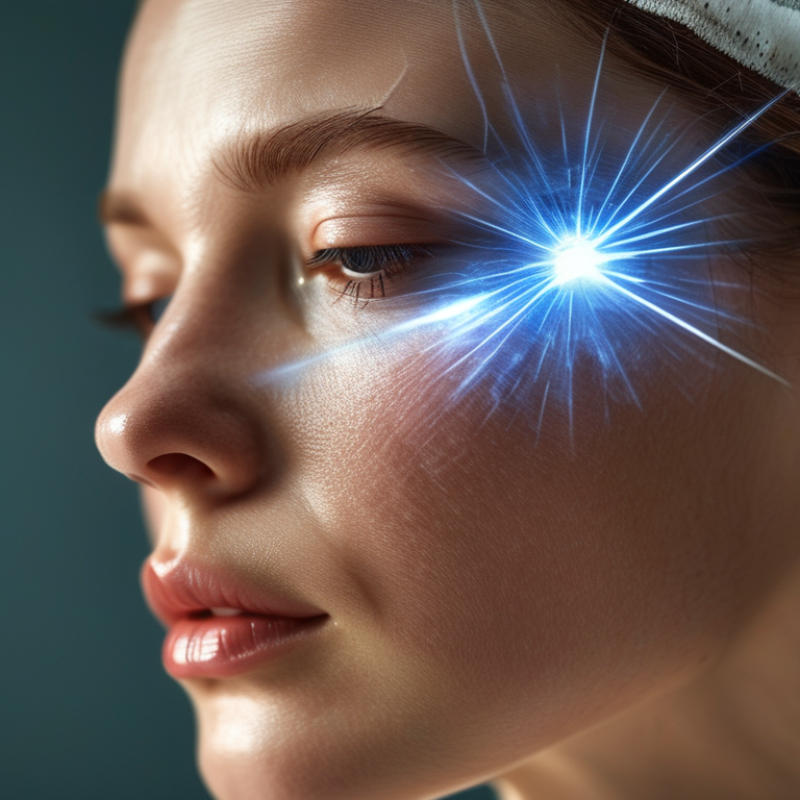
How Does Laser Treatment Promote Skin Tightening Benefits?

Understanding Laser Treatment Mechanisms for Skin Tightening

Laser treatment has gained popularity for its skin-tightening benefits. Understanding its mechanisms can help you appreciate how it works. These procedures typically utilize focused light energy to stimulate collagen production. Collagen is essential for maintaining skin structure and elasticity. As we age, collagen decreases, leading to sagging skin. Laser treatments effectively reverse this process.

The heat from lasers targets deeper skin layers without damaging the surface. This controlled energy prompts the body to heal, resulting in tighter skin. Patients often experience immediate results, with significant improvements over time as collagen rebuilds. Laser treatments are effective and non-invasive, making them an attractive option for many.

**Tips for Success**: Stay hydrated before your treatment. This simple step can enhance your skin's resilience. Post-treatment, apply moisturizing creams to support healing. Consider avoiding sun exposure as your skin rejuvenates. Regular follow-ups with a skincare professional can also ensure your results are lasting and optimal.

Types of Laser Treatments Used in Skin Tightening Procedures

Laser treatments have gained popularity for their skin tightening benefits. Various types of lasers are utilized in these procedures, each offering unique advantages. One prevalent type is Fractional CO2 laser treatment. This method penetrates deeply into the skin, stimulating collagen production. Research shows that a series of treatments can result in a visible reduction of wrinkles and sagging skin.

Another effective option is the Erbium YAG laser. It is less invasive and has a quicker recovery time. This laser targets the outer layer, promoting skin texture improvement. Studies indicate that patients notice smoother skin after just a few sessions. However, results can vary, and some may require more treatments.

Radiofrequency lasers are also used for skin tightening. They work by heating the underlying layers of skin, encouraging collagen synthesis. According to a report by the American Society for Dermatologic Surgery, 70% of patients reported satisfaction after RF laser treatments. Despite these benefits, not all individuals respond similarly, and some may experience side effects like redness or swelling. It's essential to consult a skilled practitioner to determine the best approach for individual skin types and conditions.

Clinical Evidence Supporting Laser Treatment for Collagen Production

Laser treatment has gained attention for its ability to promote skin tightening, largely due to its effects on collagen production. Collagen is vital for maintaining skin elasticity and firmness. Clinical studies have shown that laser therapies can stimulate fibroblast activity. This boost in activity enhances collagen synthesis, which leads to firmer skin over time.

One study revealed significant increases in collagen density after just a few sessions of laser treatment. Patients reported visible improvements in skin texture and tightness. However, results can vary based on skin type and treatment methodology. Not everyone may achieve the same level of improvement. This variability highlights the importance of personalized treatment plans.

Despite the promising findings, there are challenges. Some individuals may experience temporary redness or swelling post-treatment. This underscores the importance of consulting with qualified professionals. Ensuring safe practices and realistic expectations is crucial. Ongoing research continues to refine these techniques, aiming to enhance their effectiveness further.

Key Benefits of Laser Treatment for Skin Firmness and Elasticity

Laser treatments have gained popularity for their skin tightening benefits. These procedures stimulate collagen production, essential for maintaining skin firmness and elasticity. By targeting deeper layers of skin, lasers encourage the body to regenerate. The result? Tighter, smoother skin with a youthful appearance.

Many individuals may notice improvements shortly after treatment. However, it’s important to manage expectations. Results vary among individuals. Factors like age, skin type, and lifestyle play significant roles in healing and outcomes. Consistent maintenance is key.

Tips: Always consult with a qualified professional to determine the best approach for your skin type. Stay hydrated before and after treatments. Proper skincare can enhance results and prolong the benefits of laser treatments. Embrace the journey and be patient with the process—results may take time.

Considerations and Risks Associated with Laser Skin Tightening Techniques

Laser skin tightening is increasingly popular due to its non-invasive nature. However, several considerations and risks are essential for potential patients. Research indicates that up to 30% of users experience some side effects, including redness, swelling, or even blistering. These effects tend to resolve within a few days but can be concerning for many individuals.

Patients should also be aware of the importance of choosing experienced practitioners. The skill and knowledge of the provider can significantly impact results. A study published in the Journal of Cosmetic Dermatology noted that improper technique may lead to uneven skin texture. This outcome can diminish the overall benefits of skin tightening and lead to dissatisfaction.

Another crucial aspect is skin type and condition. Not everyone is a candidate for laser treatment. Those with darker skin tones may face higher risks of hyperpigmentation. Therefore, thorough pre-treatment assessments are vital. Potential clients should have discussions about their medical history and skin concerns before proceeding. Following such guidelines helps ensure a safer and more effective treatment experience.

How Does Laser Treatment Promote Skin Tightening Benefits? - Considerations and Risks Associated with Laser Skin Tightening Techniques

Feature Description Benefits Considerations Risks
Skin Type Varies from person to person, affects suitability for laser treatment. Customized treatments improve outcomes. Consultation needed to determine compatibility. Not all skin types respond equally.
Downtime Varies based on treatment; possible redness and swelling. Minimal downtime for non-invasive options. Plan for recovery time after procedure. Potential for prolonged recovery in more invasive options.
Treatment Areas Commonly treated areas include face, neck, and abdomen. Targets sagging skin effectively. Some areas may not be suitable for all techniques. Risk of ineffective results in certain areas.
Technology Different lasers (e.g., CO2, Er:YAG) used. Each technology offers unique advantages. Selecting the right type is crucial. Potential adverse reactions to specific lasers.
Expected Results Results noticeable over weeks to months after treatment. Long-lasting tightening effect. Realistic expectations set during consultation. Not all patients achieve desired results.

FAQS

: What types of lasers are used for skin tightening?

: Common types include Fractional CO2, Erbium YAG, and radiofrequency lasers. Each offers different benefits.

How does Fractional CO2 laser treatment work?

This laser penetrates deeply, stimulating collagen production. It can reduce wrinkles and sagging skin effectively.

What are the benefits of Erbium YAG lasers?

They are less invasive with quicker recovery times. Patients often see smoother skin after several sessions.

What should I expect after radiofrequency laser treatments?

About 70% of patients report satisfaction. However, reactions vary, with some experiencing redness or swelling.

Why is it important to consult a qualified professional?

An experienced practitioner can significantly impact results. Improper technique may lead to uneven skin texture.

Are there risks associated with laser skin tightening?

Yes, around 30% of users face side effects like redness or blistering. Most resolve quickly but can be alarming.

Do results vary among individuals?

Yes, factors like age, skin type, and lifestyle influence healing and overall results. Patience is vital.

How can I enhance my laser treatment results?

Stay hydrated and maintain proper skincare before and after. This prolongs benefits and improves outcomes.

Can everyone undergo laser treatment?

No, some individuals, especially with darker skin, may face higher risks. Thorough assessments are important.

What should I do before proceeding with treatment?

Discuss your medical history and concerns openly with your provider. This ensures a safer, more effective experience.

Conclusion

Laser treatment is increasingly recognized for its effectiveness in promoting skin tightening through various mechanisms. By utilizing specific wavelengths of light, laser treatments stimulate collagen production, which is essential for maintaining skin firmness and elasticity. Different types of laser treatments, such as fractional laser and ablative laser techniques, cater to diverse skin needs and conditions, offering tailored solutions for individuals seeking non-invasive procedures.

Clinical evidence supports the efficacy of laser treatment in enhancing skin texture and elasticity, demonstrating noticeable improvements in skin firmness over time. However, potential considerations and risks must be acknowledged, including skin sensitivity and the need for aftercare. In conclusion, understanding how laser treatment supports skin tightening not only helps potential patients make informed decisions but also highlights the transformative benefits these technologies can offer for rejuvenating and revitalizing the skin.

Madeline

Madeline

Madeline is a dedicated marketing professional with a wealth of expertise in our company's core offerings. With a keen understanding of the industry, she brings a unique perspective to her role, consistently delivering high-quality content that highlights the superior aspects of our products. As......