When considering aesthetic options, a common question arises: "how does laser treatment compare to other aesthetic procedures?" Dr. Emily Zhang, a leading dermatologist, asserts, “Laser treatments offer precision and effectiveness, but they aren't always the best choice for everyone.” This statement reflects the nuanced landscape of aesthetic treatments available today.
Laser therapy stands out due to its ability to address various skin concerns, from acne scars to pigmentation. It employs focused light energy to promote skin rejuvenation. However, it isn’t a one-size-fits-all solution. Some patients may experience side effects or require multiple sessions. Additionally, not all conditions benefit equally from laser treatment.
Comparatively, options like chemical peels and microneedling offer different advantages. They can be less invasive and require minimal downtime. Patients must evaluate their unique skin types and goals. Consulting an expert can lead to the right decision. Ultimately, understanding how does laser treatment compare to other aesthetic procedures remains crucial in making informed choices for skin health.
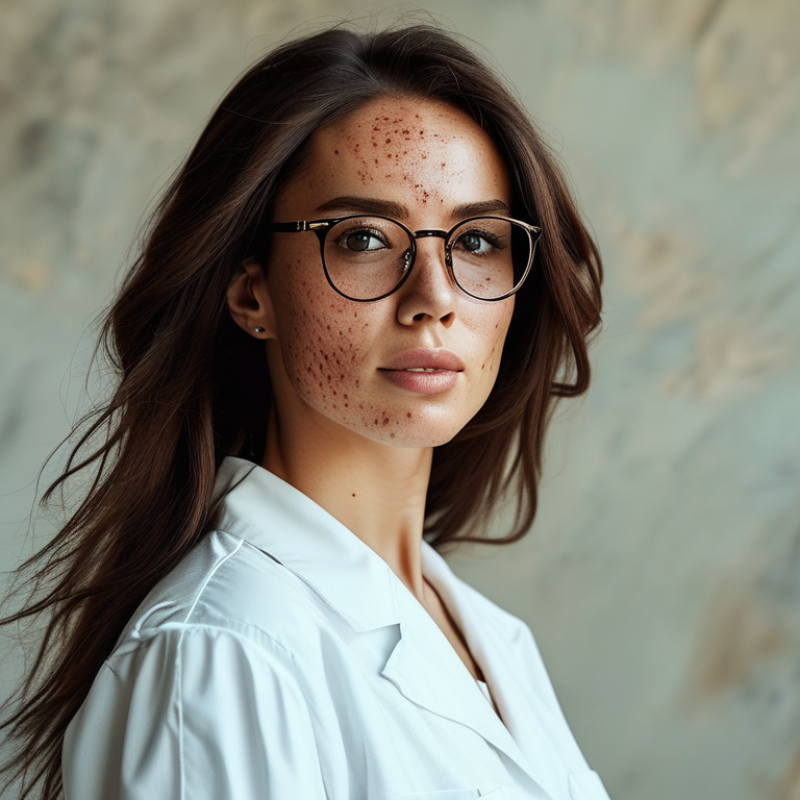
Overview of Aesthetic Treatment Options Available Today
Aesthetic treatments have evolved significantly, offering a range of options to enhance appearance. Popular methods include injectables, chemical peels, microdermabrasion, and laser treatments. Each option has its unique benefits and limitations. For instance, injectables like fillers provide immediate results, while chemical peels tackle pigmentation and texture. However, they may require downtime and multiple sessions for optimal effects.
Laser treatments stand out due to their versatility. They can address various skin concerns, including scars, wrinkles, and sun damage. Unlike some treatments that target specific issues, lasers can be customized for individual skin types and concerns. However, the recovery time can vary, and skin sensitivity may increase temporarily. This variability often leads to patient uncertainty and the need for informed choices.
With the growing interest in aesthetic procedures, understanding each option is crucial. Knowledge about potential side effects and desired outcomes can empower individuals to make informed decisions. Consulting a skilled professional remains vital. This ensures tailored advice and treatment plans that fit individual needs and goals. Some people may find themselves wishing for a more detailed exploration of their options, highlighting the importance of ongoing research and self-reflection in the aesthetic journey.
Understanding Laser Treatment Techniques in Aesthetic Medicine
Laser treatment has gained popularity in aesthetic medicine for its effectiveness and precision. Techniques such as fractional laser and ablative laser treatments address various skin issues. According to a report from the American Society for Aesthetic Plastic Surgery, laser procedures represented 30% of all aesthetic treatments in 2022. This highlights a shift towards minimally invasive options that provide significant results.
The technology behind laser treatments is advancing rapidly. For example, non-ablative lasers stimulate collagen without damaging the skin's surface. These treatments promise shorter recovery times and less discomfort. However, patient satisfaction can vary. Some individuals may encounter side effects like redness or swelling. It’s essential for patients to have realistic expectations when considering this option.
Comparatively, other aesthetic treatments like chemical peels or fillers have their merits. They often provide quick results but may require repeated sessions. A 2023 study indicates that while fillers enhance volume, they lack the long-term skin rejuvenation benefits offered by lasers. Patients are encouraged to evaluate options critically, as each method presents unique challenges and advantages.
Comparative Analysis: Laser vs. Non-Laser Aesthetic Procedures
Laser treatments have gained popularity in the aesthetic industry. They are often viewed as a cutting-edge option. However, comparing laser methods to non-laser procedures reveals important distinctions.
One notable report from the American Society for Aesthetic Plastic Surgery indicates that non-laser procedures, such as injections and chemical peels, accounted for about 70% of all aesthetic treatments in 2020. These methods tend to require less downtime and show immediate results. For example, Botox can smooth wrinkles within days, while many laser treatments need multiple sessions for optimal outcomes.
Despite their effectiveness, laser procedures can be daunting. Treatments might lead to temporary redness or swelling. A report by the Journal of Cosmetic Dermatology highlights that 30% of patients experience such side effects. This prompts questions about recovery time and patient comfort. Non-laser options can be perceived as simpler and less invasive. However, they often provide short-term benefits, making long-term results a challenge.
In essence, choosing between laser and non-laser options involves personal preferences. Each method has pros and cons shaped by individual skin types and goals. Understanding these variances is essential for making informed decisions in aesthetic treatments.
Benefits and Risks of Laser Treatments in Aesthetic Practices
Laser treatments have gained popularity in aesthetic practices due to their efficacy and precision. According to a report from the American Society for Aesthetic Plastic Surgery, non-invasive laser procedures accounted for over 20% of all aesthetic treatments performed in recent years. This statistic highlights the growing trust in laser technology as a reliable option.
One major benefit of laser treatments is their ability to target specific skin issues, such as pigmentation or fine lines, while minimizing damage to surrounding tissues. Clinical studies have shown that patients often experience quicker recovery times compared to traditional surgical methods. However, certain risks are also associated with laser treatments, including potential burns and changes in skin pigmentation. Reports indicate that up to 10% of patients may experience side effects, emphasizing the importance of thorough consultations.
It's crucial for practitioners to evaluate each patient’s skin type and aesthetic goals before recommending laser treatments. While lasers can yield outstanding results, not every individual may achieve the desired outcome. Personal factors, such as skin condition and sensitivity, play a vital role in the effectiveness of these treatments. This complexity underlines the need for expertise in aesthetic practices and a patient-centered approach.
How Does Laser Treatment Compare to Other Aesthetic Options? - Benefits and Risks of Laser Treatments in Aesthetic Practices
| Treatment Type |
Benefits |
Risks |
Recovery Time |
| Laser Treatment |
Precise targeting, minimal downtime, effective for skin resurfacing. |
Potential for burns, pigmentation changes, expensive. |
1-2 weeks |
| Chemical Peels |
Improves skin texture, reduces fine lines, affordable. |
Redness, peeling, could cause scarring. |
1-2 weeks |
| Microdermabrasion |
Non-invasive, painless, good for overall skin rejuvenation. |
Minimal results, temporary, no significant changes. |
None |
| Botox |
Quick results, reduces wrinkles effectively. |
Temporary, possible bruising, allergic reactions. |
Few hours |
| Fillers |
Instant volume, customizable results. |
Swelling, potential for lumps, temporary solution. |
Few days |
Patient Considerations and Outcomes: Choosing the Right Treatment Options
When considering aesthetic treatments, patients often evaluate options like laser treatments against other procedures. Each method offers different benefits and potential downsides.
Laser treatment can be effective for skin resurfacing and corrections. However, it might not be suitable for everyone. Skin type, medical history, and treatment goals significantly impact the outcome.
Patients should communicate openly with practitioners. Understanding the potential risks is essential. Some individuals may experience redness or swelling after laser treatment. In contrast, options like fillers may provide immediate results but require regular maintenance. It’s crucial to reflect on personal expectations. Not every treatment suits everyone.
Ultimately, decision-making should be based on thorough consultations. A skilled professional can guide patients through choices. Balancing aesthetics with safety is vital. It allows for a more satisfying experience, leading to better overall outcomes. Aesthetic journeys are deeply personal. They require thoughtful consideration of every option available.
Conclusion
The article "How Does Laser Treatment Compare to Other Aesthetic Options?" provides a comprehensive overview of the various aesthetic treatment options available today, highlighting the growing popularity of laser techniques in aesthetic medicine. It details the different types of laser treatments and their mechanisms, offering a comparative analysis of how laser treatment compares to other aesthetic procedures such as injectables and traditional cosmetic surgeries.
Additionally, the article discusses the benefits and risks associated with laser treatments, emphasizing important patient considerations and potential outcomes. This analysis helps prospective patients make informed decisions about their treatment options, ensuring they choose the best path for their aesthetic goals. By understanding the unique advantages of laser technology alongside other treatments, individuals can better appreciate how does laser treatment compare to other aesthetic procedures in achieving desired results.

 Derma Laser