As the quest for youthful skin continues, many wonder, can laser treatments reduce signs of aging? Aging often manifests as wrinkles, fine lines, and uneven skin tone. These concerns affect not only appearance but also self-esteem. With advancements in dermatological technology, laser treatments have gained popularity as a solution.
Numerous studies suggest that certain laser therapies can effectively target these aging signs. Treatments like fractional CO2 lasers and non-ablative lasers promise to rejuvenate skin by stimulating collagen production. Patients frequently report improvements after just a few sessions. However, results can vary based on skin type and treatment protocol.
While laser treatments show promise, they may not be suitable for everyone. Some individuals experience side effects, such as redness or swelling. Consulting with a qualified dermatologist is essential to assess risks and benefits. Ultimately, understanding individual needs is vital for effective outcomes in the fight against aging.
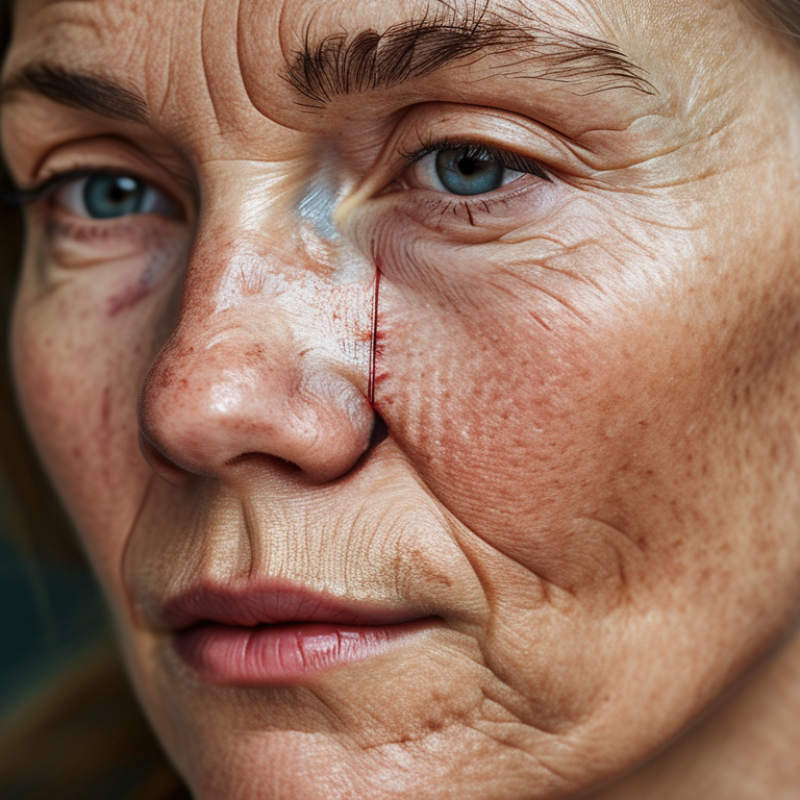
Laser treatments have gained traction in the quest for youthful skin. Different types of lasers target various aging signs. For instance, fractional lasers stimulate collagen production. This helps improve skin texture and reduce fine lines.
Patients often report visible results after just a few sessions. However, the effectiveness can vary based on factors like skin type and age. Not everyone experiences the same outcomes, leading some to question if the improvement is worth the investment.
Side effects can also arise. Redness and sensitivity are common after treatment. These reactions may take time to subside. Patients should weigh the potential risks against the benefits for their skin.
Consulting with a qualified dermatologist is crucial. They can provide tailored advice based on individual skin needs and concerns.
Laser treatments have gained immense popularity in aesthetic medicine. These procedures aim to reduce visible signs of aging, such as wrinkles and sun spots. Different types of laser technologies are used, each with unique benefits and applications.
The CO2 laser is known for its precision. It effectively targets deep wrinkles and skin texture. The Erbium laser, on the other hand, is gentler. It treats superficial skin concerns and has a shorter recovery time. A fractional laser combines both approaches. It creates micro-injuries to stimulate collagen production, resulting in firmer skin.
While many patients report satisfaction, results can vary. Not everyone responds the same way to treatments. Some may experience redness, swelling, or other side effects. These potential outcomes highlight the importance of consultations with qualified professionals. Tailored treatment plans are essential for optimal results. Understanding individual skin types and conditions can significantly influence the effectiveness of these lasers.
Laser treatments have gained popularity in the quest for youthful skin. These procedures target a variety of aging signs, including fine lines, wrinkles, and age spots. Different laser technologies address specific concerns, making them versatile options for many individuals. For example, fractional lasers can stimulate collagen production, enhancing skin texture and firmness. This effect can be noticeable after a series of sessions, but results vary among individuals.
The effectiveness of laser treatments often depends on skin type and the specific signs of aging present. Some patients experience redness and swelling post-treatment, which can be concerning. While many see improvements, not everyone achieves their desired results. People with darker skin tones may face unique challenges, as certain lasers can lead to pigmentation issues.
It's crucial to consult with a qualified professional before starting any laser treatment. An experienced practitioner can evaluate individual needs and recommend the most suitable options. Open discussions about expectations and potential risks are essential. This transparency helps ensure a more satisfying outcome. Ultimately, while laser treatments can significantly reduce aging signs, individual experiences will differ.
Laser treatments have gained popularity for reducing signs of aging. However, they come with potential side effects that patients should consider. Research shows that around 30% of individuals experience temporary redness or swelling following treatment. This reaction typically subsides within a few days, but it can be distressing for some patients.
In more serious cases, laser treatments may lead to pigment changes. A study published in the *Journal of Dermatology* found that about 5% of participants developed hyperpigmentation after procedures. This can result in uneven skin tone, requiring further treatment to rectify. Additionally, some patients report experiencing burns or scarring, though this is less common, occurring in roughly 2% of cases.
Ultimately, while laser treatments can provide significant anti-aging benefits, the risks must not be overlooked. Patients should engage in thorough consultations with licensed professionals to discuss their individual risks. Understanding the potential side effects is vital for making informed decisions about skin treatments.
| Aspect | Details |
|---|---|
| Effectiveness | Laser treatments can effectively reduce wrinkles, age spots, and improve skin texture. |
| Types of Lasers | Common types include Ablative, Non-ablative, and Fractional lasers. |
| Treatment Sessions | Usually require multiple sessions for optimal results, depending on the desired outcome. |
| Potential Side Effects | Redness, swelling, peeling, and temporary discoloration are common side effects. |
| Risks | In rare cases, may cause scarring, infection, or changes in skin texture. |
| Recovery Time | Recovery can range from a few days to several weeks depending on treatment type. |
| Consultation | Always consult a qualified dermatologist to assess individual risks and benefits. |
After undergoing laser treatments for skin rejuvenation, proper post-treatment care is crucial. The skin is sensitive and vulnerable following these procedures. It is essential to keep the treated area clean and moisturized. Use a gentle cleanser to avoid irritation. Applying a calming moisturizer can help ease any discomfort and promote healing.
Sun protection is vital during the recovery phase. UV exposure can lead to complications like hyperpigmentation. A broad-spectrum sunscreen should be applied daily, even on cloudy days. Additionally, avoid direct sunlight and wear protective clothing when outdoors. Patience is key—results improve gradually.
It's common to experience some redness and swelling after treatment. This is a natural reaction of the skin as it heals. If irritation persists, consult your skincare professional. Each person's skin responds differently, and some may need longer recovery times. Keeping a close eye on your skin’s condition can help you understand its specific needs.
: Laser treatments are commonly used to reduce signs of aging, like fine lines and uneven skin texture.
Fractional lasers stimulate collagen production, which helps improve skin texture and reduces visible aging signs.
Many patients see visible results after a few sessions, but outcomes can vary based on skin type and age.
Yes, side effects include redness, sensitivity, and swelling, which usually subside within a few days.
About 30% of patients report temporary redness or swelling after treatment.
Yes, about 5% may develop hyperpigmentation, resulting in an uneven skin tone needing further treatment.
Although rare, around 2% of patients may experience burns or scarring from laser treatments.
Consulting with a qualified dermatologist is crucial for tailored advice and understanding personal risks.
Yes, understanding potential side effects is vital in making informed decisions about skin treatments.
No, not everyone experiences the same improvement, which can lead to doubts about the treatment's value.
Laser treatments have gained popularity in aesthetic medicine for their potential to reduce signs of aging. Various types of laser therapies, such as ablative and non-ablative lasers, target different skin concerns, including wrinkles, fine lines, and pigmentation. Studies indicate that these treatments can effectively improve skin texture and elasticity, making them a viable option for those seeking to minimize the effects of aging.
However, it's essential to understand the potential side effects and risks associated with laser treatments, which may include temporary redness, swelling, or changes in pigmentation. To achieve optimal results in skin rejuvenation, proper post-treatment care is crucial. In conclusion, while the question of "can laser treatments reduce signs of aging" is answered affirmatively by many practitioners, individual responses and care play a pivotal role in the overall effectiveness of these procedures.
