When people compare cosmetic or dermatologic treatments, the terms laser and light can sound interchangeable. They are not quite the same. What is the difference between laser and light based treatments comes down mainly to how energy is delivered and which wavelengths reach the skin. A laser usually emits concentrated light at a specific wavelength. Intense pulsed light (IPL), by contrast, releases a broader range of wavelengths in brief flashes. Light is broader.
That difference can affect which skin concerns a device is designed to address, how treatment feels, and what precautions are needed. Some devices target visible pigment or small blood vessels; others are used for hair reduction or skin resurfacing. Yet the name alone does not predict results. Device settings, skin tone, the area treated, and the clinician’s training all matter. Even similar-looking machines can work differently. That part is easy to overlook.
A qualified healthcare professional can assess your skin, medical history, and goals before recommending a treatment. Ask what device will be used, what results are realistic, and what side effects or downtime may occur. Redness or temporary sensitivity can happen, and some treatments carry risks such as burns or changes in pigmentation. No device suits everyone. Treatment claims should be considered carefully, especially when they promise effortless or guaranteed results. Understanding the technology is useful, but a personalized assessment is what makes the comparison meaningful.
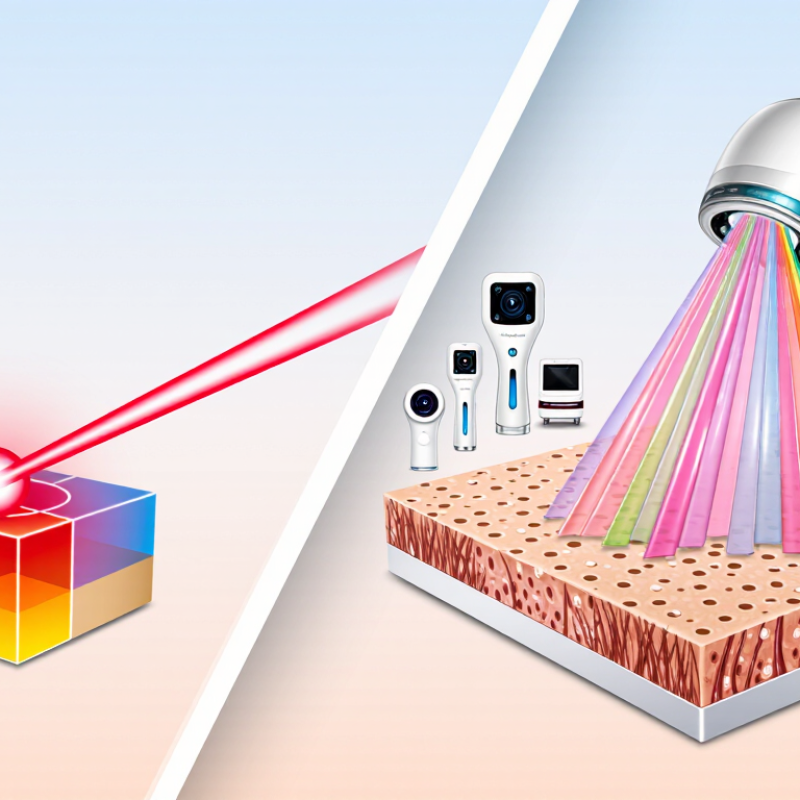
Laser and light treatments are umbrella terms for procedures that use energy to affect selected structures in or on the skin. A laser delivers concentrated energy at a selected wavelength. Many non-laser devices use broader bands of light, often filtered for a particular target. The wording matters.
Depending on the device and settings, energy may be absorbed by pigment, blood vessels, or water in tissue. This interaction can be used for concerns such as hair reduction, visible redness, or uneven tone, but these methods are not interchangeable. A treatment name alone does not explain its depth, intensity, or likely downtime. A small handpiece may treat one spot, while a larger window covers a wider area.
Terminology can vary between clinics and devices. Ask what type of energy is used and what tissue it is intended to affect. A careful assessment should consider skin tone, recent tanning, medications, eye protection, and any history of scarring or sensitivity. Temporary warmth or redness may occur; burns, pigment changes, and eye injury are also possible if treatment is unsuitable or poorly performed. The categories are not perfectly tidy, and confident promises deserve careful questions.
| Comparison | Laser Treatments | Other Light Treatments (such as IPL) |
|---|---|---|
| What the term means | A treatment using laser energy: light concentrated into a narrow beam with a specific wavelength or range of wavelengths. | A broad category of treatments using light that is not necessarily laser light. Intense pulsed light (IPL) is one common example. |
| Type of light | Generally uses a specific wavelength selected for a particular target. The beam is relatively focused and concentrated. | IPL uses pulses containing a broader range of wavelengths, typically filtered to suit the treatment goal. Other non-laser light devices may work differently. |
| How energy acts on tissue | Light is absorbed by targets such as melanin, hemoglobin, or water. The resulting heat or other effect can alter the targeted tissue. | Selected wavelengths are absorbed by targets in the skin and converted mainly into heat. The range of wavelengths means filtering and device settings matter. |
| Common uses | Depending on the device, may be used for hair reduction, selected vascular or pigmented lesions, skin resurfacing, or other medical procedures. | IPL may be used for hair reduction and some forms of diffuse redness or pigmentation. Suitability depends on the device, condition, and individual skin characteristics. |
| Precision and treatment area | A specific wavelength can make a laser more selective for a chosen target. The spot size and depth of effect vary by laser type and settings. | IPL can cover a broader area per pulse, but its broad spectrum is filtered and adjusted for the intended target. It is not automatically more or less precise in every situation. |
| What affects results | Results depend on the target, wavelength, pulse settings, treatment area, skin tone, hair or lesion characteristics, and number of sessions. | Results depend on similar factors, as well as the device’s filters and settings. Neither treatment type guarantees a particular result. |
| Sensation and recovery | People may feel warmth, snapping, or stinging. Temporary redness or swelling can occur; recovery varies with the procedure and treatment intensity. | People may feel warmth or brief snapping sensations. Temporary redness or swelling can occur, and recovery varies by device, settings, and treatment area. |
| Potential risks | Possible risks include burns, blisters, pigment changes, scarring, or eye injury if used incorrectly or without appropriate protection. | Possible risks also include burns, blisters, pigment changes, scarring, or eye injury. Broad-spectrum light is not risk-free. |
| Choosing a treatment | The right option depends on the condition being treated, skin and hair characteristics, medical history, and device settings. A qualified healthcare professional should assess suitability and explain expected benefits and risks. | |
| Key takeaway | “Light treatment” is an umbrella term that can include laser treatment. IPL is a non-laser light treatment; lasers and IPL differ in how their light is produced and delivered. | |
Laser concentrates light around a selected wavelength. IPL uses filtered, broader-spectrum light. The comparison is useful, but imperfect.
Both may be used for sun spots, redness, or unwanted hair. The suitable option depends on the concern, skin tone, and device settings.
A focused wavelength can target a selected concern. But a specific wavelength does not guarantee better results for everyone. It varies.
IPL may feel like quick elastic-band snaps. Laser sensations can feel sharper or warmer. Cooling may help, but discomfort can remain.
Mild redness or swelling may occur. Some resurfacing treatments can cause peeling and longer healing. Skin does not follow a neat timetable.
Burns or pigment changes can occur, especially with poorly matched settings. A trained clinician should assess your skin and explain possible risks.
Ask which device will be used and why it suits your concern. Discuss skin tone, medical history, medications, recent sun exposure, and clinician training. Get specifics.
No. It may help assess your response, but cannot predict the full outcome. Ask whether one is appropriate for you.
Ask about sessions, downtime, protective eyewear, aftercare, and costs. Sun avoidance may be needed. Pause if the answers feel unclear.
Laser and light treatments use energy to target specific changes in the skin, but they deliver that energy differently. A laser concentrates light at a particular wavelength, allowing it to focus on a defined target, such as unwanted pigment or visible blood vessels. Broad-spectrum light treatments use a range of wavelengths, often adjusted with filters to address several concerns across a larger area. Understanding what is the difference between laser and light based treatments can help clarify why they may be suited to different goals.
Lasers may offer greater precision for selected concerns, while broad-spectrum light can be useful when addressing more diffuse skin changes, such as uneven tone or redness. Comfort and recovery vary with the device, settings, treatment area, and individual skin response; either approach may cause temporary redness or sensitivity. Choosing between them involves considering the concern being treated, skin type, desired results, downtime, and professional guidance. A qualified provider can assess these factors and recommend an appropriate option.

 Derma Laser