Laser treatment can sound simple, but the hours and days afterward may bring questions. What should patients expect after laser treatment? The answer depends on the device, treatment area, skin type, and settings used. A clinician should explain likely effects before treatment and provide clear, personalized aftercare instructions.
Some people notice warmth, redness, or mild swelling, much like a short-lived flush after being outdoors. Others have little visible change. Small details count. The treated skin may feel tight or sensitive, and recovery can vary even between people receiving similar treatments. Results may appear gradually rather than overnight, so a realistic timeline matters.
This guide covers five common expectations: immediate skin changes, possible downtime, aftercare, the pace of results, and when to contact a clinician. It is not a substitute for advice from the professional who treated you. Still, it helps to know what questions to ask, such as when to resume makeup or exercise and how to protect the area from sunlight. Follow the clinic’s instructions, since recommendations differ by treatment. If symptoms seem severe, worsen, or do not match the guidance you received, contact your provider promptly. Recovery is not always tidy or predictable. That uncertainty deserves honest discussion, not a promise of instant results.
Immediate Skin Responses After Laser Treatment
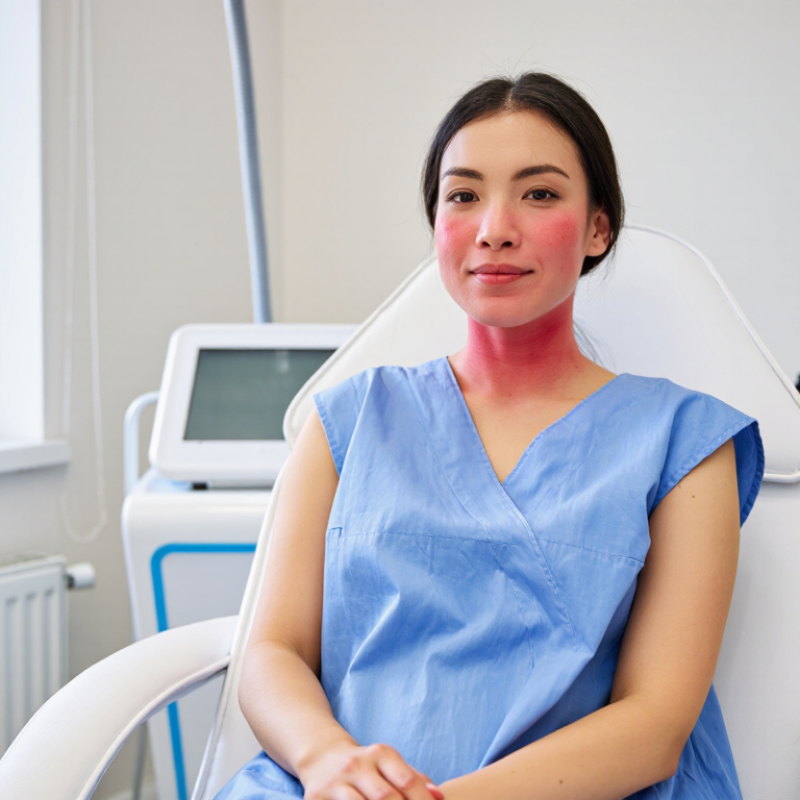
Immediately after laser treatment, the skin may look pink or red and feel warm, much like mild sunburn. Slight swelling can appear around treated areas, especially near the eyes. Some patients notice tiny dots, temporary darkening, or a rough, sandpaper-like texture. The exact response depends on the laser, treatment depth, and your skin. It can look uneven at first.
That can feel alarming. For many treatments, redness and warmth ease over several hours or days, but deeper procedures may take longer. Follow your clinician’s aftercare instructions; they may recommend a cool, clean compress and gentle cleansing. Don’t rub, pick, or apply products that were not approved for your skin. I’ve seen aftercare advice vary, so it’s worth asking before adding a new cream.
Mild tenderness is possible. Keep the area protected from direct sun, and use sunscreen when your clinician says it is appropriate. Contact the clinic if pain or swelling worsens, redness spreads, or blisters develop. Fever, pus, or increasing heat can signal a complication and needs prompt medical advice. If a reaction feels wrong, trust that concern and check in.
Common Sensations During Early Recovery
After laser treatment, the first hours can feel warmer than expected. Many people notice mild stinging, tightness, or sunburn-like heat, especially across treated cheeks or forehead. The skin may look pink or slightly swollen, and small areas can feel tender to touch. Some procedures also cause temporary dryness or a rough, sandpapery texture. It can be surprising. Sensations depend on the laser type, treatment depth, skin condition, and individual healing. One person’s mild redness may feel very noticeable to someone else. It is tempting to assume a “quick treatment” means a quick return to normal, but healing rarely follows a neat schedule.
During the first few days, warmth and sensitivity may ease, while flaking or tiny crusts can appear as the skin heals. Healing varies. Avoid rubbing or picking at the treated area, and follow your clinician’s aftercare instructions; guidance differs by procedure. A cool, clean compress may feel soothing if your clinician permits it. Keep the area out of direct sun, and use only products they approve.
Not always normal.
Contact the clinic promptly for worsening pain, increasing redness, marked swelling, pus, fever, or vision changes after treatment near the eyes. If a sensation feels unusual to you, ask rather than guessing.
Skin Care and Activity Limits While Healing
After laser treatment, your skin may feel warm, tight, or sunburned. Redness and mild swelling can occur, but recovery varies by laser type and treatment depth. The American Academy of Dermatology advises that healing after ablative resurfacing may take up to two weeks; gentler treatments often involve less downtime. The American Society of Plastic Surgeons’ 2023 Procedural Statistics Report recorded more than 3 million skin-resurfacing procedures in the United States. That figure reflects how common these treatments are, not how quickly any one person will heal.
Keep skin clean and follow your clinician’s specific aftercare instructions. Use only recommended gentle cleansers and moisturizers, and avoid scrubbing, picking flakes, or applying irritating products while skin heals. Protect treated areas from sunlight; ask your clinician when sunscreen is appropriate, especially if the skin is still raw. Heat, swimming, and strenuous exercise may worsen irritation or swelling, so wait until your care team says they are safe. Contact the clinic if pain, redness, or swelling is worsening rather than settling.
Tips: Keep a clean pillowcase nearby, and wash your hands before touching treated skin. Healing can look uneven from day to day. If instructions are unclear, ask before changing your routine.
Top 5 Things Patients Should Expect After Laser Treatment – Skin Care and Activity Limits While Healing
| What to Expect |
Typical Experience |
Skin Care While Healing |
Activity Limits |
| 1. Temporary redness and warmth |
The treated area may feel warm and look red, similar to mild sunburn. The intensity and duration vary with the laser type, treatment depth, and individual skin response. |
Use a cool, clean compress if recommended. Cleanse gently and avoid rubbing, scrubbing, or applying products that sting. |
Take it easy if the area feels tender. Avoid activities that cause significant flushing or discomfort during the early recovery period. |
| 2. Swelling or sensitivity |
Mild swelling, tenderness, or sensitivity can occur, especially during the first few days. Some treatments cause more noticeable swelling than others. |
Follow the treating clinician’s instructions for cleansing, moisturizing, and any prescribed ointment. Do not apply ice directly to the skin. |
Postpone strenuous exercise while swelling or discomfort is present, and follow any procedure-specific guidance about when to resume. |
| 3. Peeling, flaking, or tiny crusts |
Depending on the treatment, skin may become dry, flaky, or form small crusts as it heals. This is more common after some resurfacing procedures. |
Keep the area clean and use only products approved by the clinician. Let flakes or crusts come away naturally; picking can increase the risk of scarring or color changes. |
Avoid swimming and activities that may expose healing skin to dirt or friction until the skin has healed and the clinician says they are safe. |
| 4. Greater sensitivity to sunlight |
Newly treated skin can be more vulnerable to sun exposure. Sun exposure during healing may increase the chance of irritation or uneven skin color. |
Limit direct sun exposure. Once the skin is ready for sunscreen, use a broad-spectrum sunscreen with SPF 30 or higher and reapply as directed. |
Choose shade and protective clothing outdoors. Avoid tanning beds and intentional tanning while healing. |
| 5. Gradual recovery and results |
Visible improvement may develop over time rather than immediately. Recovery time differs substantially between non-ablative treatments and more intensive ablative resurfacing. |
Keep follow-up appointments and use the aftercare plan provided for your specific procedure. Do not restart irritating active ingredients until cleared by your clinician. |
Return to normal routines gradually, based on comfort and clinician guidance. Contact the treating clinic for worsening pain, increasing redness or swelling, pus, fever, or eye symptoms. |
Important: Healing varies by treatment and individual. Your treating clinician’s instructions take priority, especially for ablative or more intensive procedures.
How Skin Changes as Recovery Progresses
After laser treatment, the skin may feel warm and look red, much like a mild sunburn. Swelling and pinpoint spots can appear during the first day or two. This is common. The American Academy of Dermatology notes that healing after ablative resurfacing often takes 7–14 days, while redness may remain longer. These timelines are guides, not promises; the laser type, treatment depth, and individual skin response all matter.
As the surface heals, dryness or fine flaking may appear. Let loose skin shed naturally, and follow your clinician’s cleansing and moisturizing instructions. Do not scrub. Freshly treated skin is more sensitive to sunlight, so use the sun protection recommended by your clinician. A small 2013 review in the Journal of Clinical and Aesthetic Dermatology describes redness, swelling, and crusting as expected effects after fractional ablative treatments, with recovery varying by treatment settings and patient factors. In practice, progress is not always tidy: one cheek may calm sooner than the other. Contact your treating clinician if pain worsens, redness spreads, or you notice pus or fever. Those changes need prompt assessment.
Top 5 Things Patients Should Expect After Laser Treatment
How skin changes as recovery progresses
Redness, swelling, sensitivity, and peeling are common during recovery. These approximate timing windows are for ablative laser resurfacing; healing varies with treatment depth, skin type, and individual factors. Non-ablative treatments often involve less downtime. Follow your clinician’s aftercare instructions and contact them about worsening pain, spreading redness, or signs of infection.
Warning Signs That Need Medical Attention
After laser treatment, some redness, warmth, mild swelling, or tenderness can be expected. The area may feel like a sunburn for a day or two, though recovery varies with the treatment and your skin. A little pinpoint crusting may occur after certain procedures. Keep the area clean and follow the aftercare instructions from your clinician. Don’t peel flakes or pop blisters. It can be tempting. If you are unsure whether a reaction is normal, contact the treating clinic rather than guessing.
Watch for pain that is severe or keeps getting worse, spreading redness, increasing heat, pus, or a fever. These can signal infection or another complication and need prompt medical advice. Large or worsening blisters, unusual dark or pale patches, or swelling that does not ease should also be assessed. If treatment was near your eyes, seek urgent care for eye pain or any change in vision. Trouble breathing or swelling of the lips or tongue is an emergency. Take a clear photo of changes and note when they began; details can help your clinician judge what to do next.
Conclusion
After laser treatment, patients may notice temporary redness, warmth, swelling, or sensitivity in the treated area. These immediate skin responses can vary depending on the treatment and individual skin type. During early recovery, mild stinging, tightness, dryness, or light flaking may occur. Understanding what should patients expect after laser treatment can help them feel prepared, but the treating clinician’s instructions should guide care.
While the skin heals, gentle cleansing, recommended moisturizing, sun protection, and avoiding activities or products that may irritate the area can support recovery. Skin may gradually look and feel different as redness or peeling settles, with the pace varying from person to person. Contact a medical professional if symptoms are severe, worsening, or unexpected, or if there are signs such as increasing pain, spreading redness, unusual discharge, or fever.

 Derma Laser