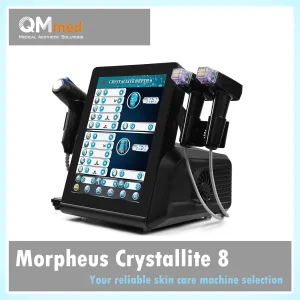
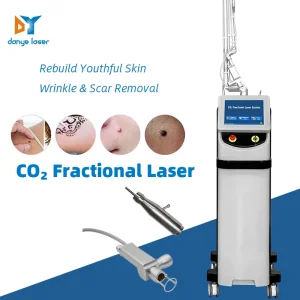
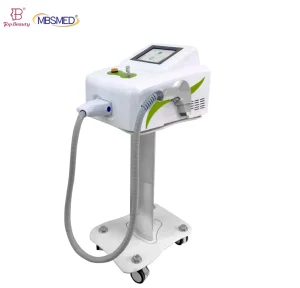
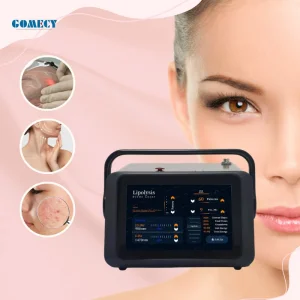
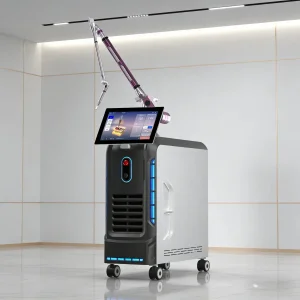
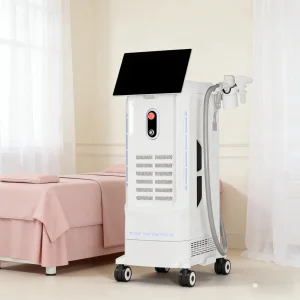
Discover high-performance medical devices engineered with state-of-the-art optical and RF electronics for clinics, medical spas, and dermatologists worldwide.
The global medical and aesthetic industry has experienced a paradigm shift over the past decade, driven by advances in precision energy-based therapies. Among these, Carbon Dioxide (CO2) laser systems remaining the undisputed gold standard for fractional resurfacing, deep skin ablation, and soft-tissue surgical incisions. Emitting light at a wavelength of 10,600 nm, the CO2 laser is highly absorbed by interstitial water, generating targeted photothermal destruction and stimulating immediate collagen contraction followed by long-term neocollagenesis.
As healthcare and wellness providers globally seek to upgrade their clinic portfolios, selecting the right equipment manufacturer has become a complex decision framework. This analytical guide presents the top-tier ecosystem of CO2 laser manufacturing and exporting, highlighting technical parameters, factory quality baselines, and sourcing criteria critical for B2B buyers, distributors, and dermatologists.
Pulse Duration Modulations: Ultrapulse, Superpulse, and Continuous Wave (CW) options determine the safety index and post-procedure downtime. RF-excited metal tubes supply cleaner, more stable pulse envelopes compared to traditional glass tubes.
Fractional Delivery Mechanisms: Dynamic galvanometric scanners generate random and standard micro-ablative column maps, minimizing hot-spot formation and reducing epidermal thermal injury zones.
Rooted in the high-tech medical electronic capital of Shenzhen, China, Derma Laser is a pioneer in global export systems for fractional energy-based technologies.
Established in 2014, Shenzhen Derma Laser Co., Ltd. has grown to become a benchmark aesthetic medical device manufacturer. Strategically based in the high-tech medical device innovation cluster of Shenzhen, the company combines premium engineering with modern manufacturing capacity to supply reliable platforms for medical spas, clinical dermatology groups, and international distributors.
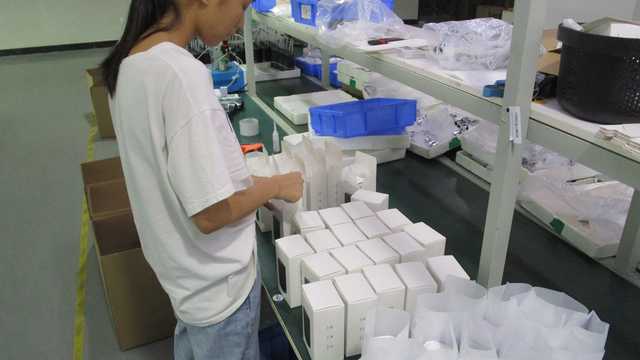
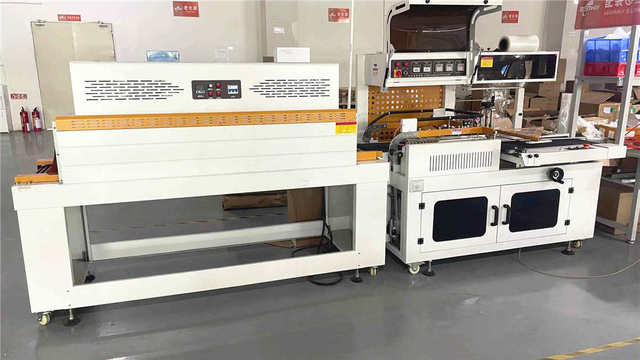
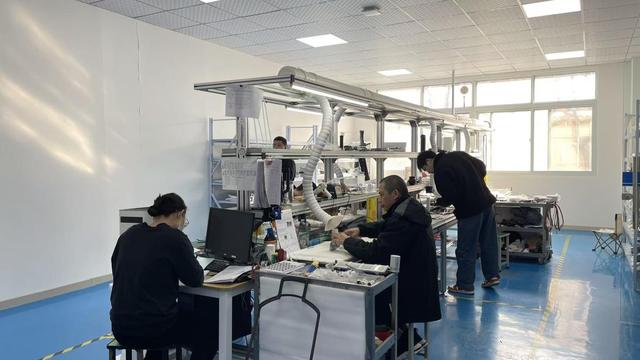
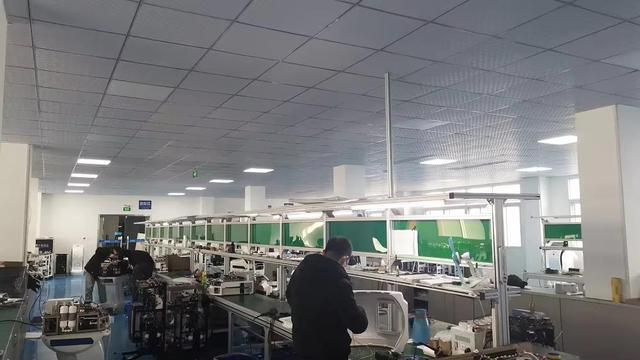
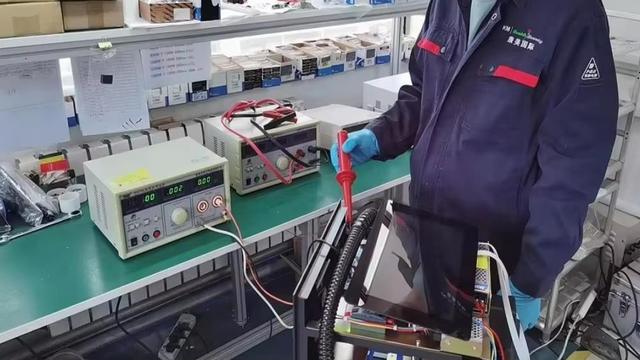
Operating out of a state-of-the-art facility exceeding 12,000 square meters, the R&D team at Derma Laser specializes in medical energy integration. Their systems undergo multi-stage optical calibration, electrical safety reviews, and energy fluctuation testing. Serving major markets across North America, Europe, the Middle East, and Asia-Pacific, they provide high-performance standard systems alongside flexible OEM and ODM customized solutions for global medical system brands.
Analyzing the industrial ecosystems, logistics frameworks, and high-efficiency cost dynamics that define China's premium medical equipment manufacturing sector.
Shenzhen and the Pearl River Delta offer unparalleled access to optoelectronic components, power supply units, high-precision machining, and custom tooling. This local density drastically shortens prototype iteration cycles and speeds up mass manufacturing runs.
Export-oriented Chinese manufacturers maintain strict compliance with global protocols, including ISO 13485, CE Medical Devices Directives (MDR), and FDA quality system regulation policies, ensuring systems meet clinical performance safety rules globally.
Whether custom shell designs, localized user interfaces (GUI), specific multi-wavelength combinations, or special clinical scan templates are required, Chinese factories provide fast, cost-effective product development cycles.
Key market drivers that are shaping clinical demand, energy delivery protocols, and patient treatment experiences.
Traditional glass tubes relying on DC-excitation are increasingly phased out in favor of Radio-Frequency (RF) excited metal CO2 laser sources. RF metal tubes offer exceptional beam quality (M² ≈ 1), superior pulse consistency, and an operational lifespan extending up to 20,000 hours, lowering long-term maintenance overhead.
Clinics prioritize versatile platforms. Modalities combining fractional scanner heads, micro-ablative surgical cutting tools, and specialized intracavitary probes for vaginal tissue therapy allow practices to maximize return on investment (ROI) with a single machine footprint.
Modern CO2 laser machines integrate intelligent software that automatically estimates the necessary energy density, spot pattern density, and treatment depth based on input patient parameters such as Fitzpatrick skin type, scar depth, and anatomical region.
By producing ultra-short, high-peak-power pulses, modern platforms achieve clean tissue vaporization before heat can spread to adjacent structures. This results in faster wound healing, minimized post-inflammatory hyperpigmentation (PIH), and reduced clinical downtime.
A detailed technical comparison tailored for procurement agents, medical device distributors, and business planners.
| Technical Parameter | RF-Excited Metal Tube CO2 Laser | Glass Tube (DC-Excited) CO2 Laser |
|---|---|---|
| Lifespan & Durability | High durability; 15,000 to 20,000 operating hours. Refillable design. | Limited lifespan; 1,000 to 3,000 hours. Requires routine glass tube replacement. |
| Pulse Control Precision | Ultra-fast pulse modulation (Microseconds); precise control of thermal depth. | Slower discharge response; risk of uncontrolled collateral thermal damage. |
| Beam Quality (TEM00) | Outstanding (M² < 1.2); produces extremely uniform micro-spots. | Moderate; spot profile may deviate, leading to uneven clinical outcomes. |
| Initial vs. Lifecycle Cost | Higher initial investment, but very low operating costs. | Low initial acquisition cost, but high maintenance and replacement expenses. |
| Primary Target Segment | Premium dermatology centers, research hospitals, high-end medspas. | Start-up clinics, budget-conscious entry levels. |
From deep dermal remodeling to micro-surgical tissue ablation, modern CO2 platforms serve diverse clinical pathways.
Designed for resolving deep acne scars, operational surgical scars, rhytids, and photo-damaged skin texture. The fractional scanner vaporizes microscopic treatment columns (MTZs) while leaving surrounding skin intact for rapid re-epithelialization.
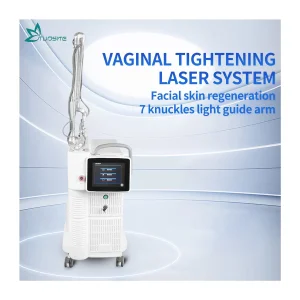
Applying custom 360-degree holographic ring-scanning probes to deliver precise, gentle thermal energy to vaginal mucosal tissues, stimulating collagen contracture and treating vaginal laxity and stress urinary incontinence (SUI).
Functioning as an optical scalpel, the superpulse mode allows bloodless, precise tissue cutting with excellent hemostasis. This reduces postoperative pain, swelling, and risk of localized infections in general surgical environments.
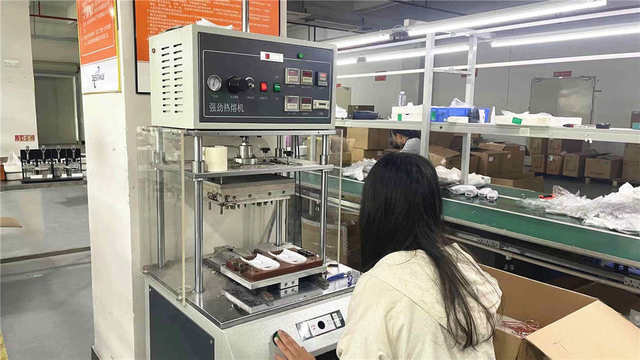
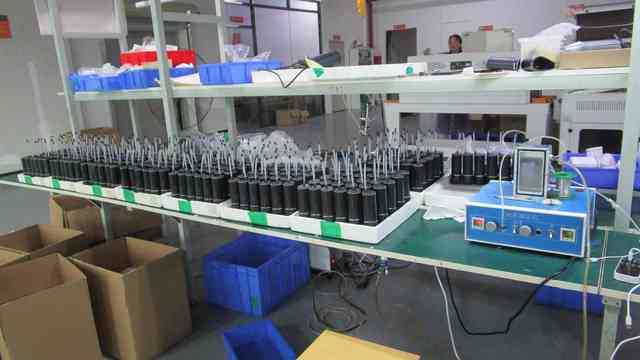
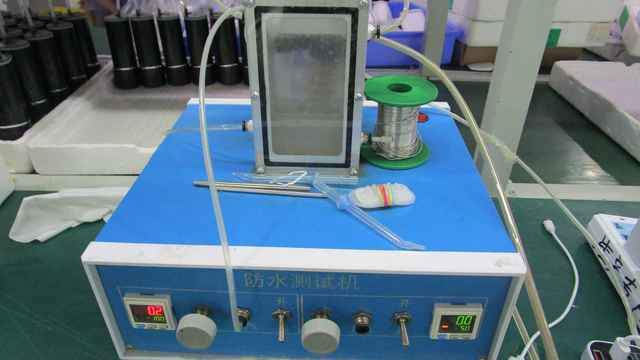
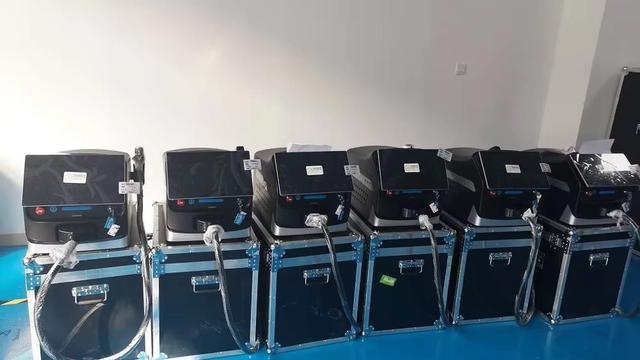
A direct look into Shenzhen Derma Laser's production workshops, dust-free assembly areas, and calibration chambers.

Ensure security of capital, equipment compliance, and consistent performance by running this strategic verification framework.
Always verify the origin and type of optical lenses and scanning mirrors. High-grade ZnSe focal lenses sourced from industry-certified international brands ensure minimal optical absorption loss, preventing spot energy degradation and scanning pattern distortion.
Confirm the manufacturer holds valid ISO 13485 certification, and request testing logs for CE compliance under MDR guidelines. For U.S. and Canadian markets, ask for documentation indicating factory registration numbers and product code listings.
Verify the structure of technical support. Top exporters offer comprehensive Service Level Agreements (SLAs), including replacement module shipping, 24/7 video diagnostics, and training protocols for clinical partners.
Expanding treatment capabilities with professional RF microneedling, multi-wavelength diode lasers, and advanced skin tightening technologies.
Answering key procurement, regulatory, and engineering questions for B2B buyers seeking to import CO2 and aesthetic laser hardware.
 Derma Laser