Modern medical tattoo removal relies on the principle of Selective Photothermolysis. Laser energy is delivered to target chromophores (tattoo ink particles embedded within dermal fibroblasts) at specific wavelengths, matching the absorption spectrum of the ink while sparing adjacent dermal tissue. The effectiveness of tattoo removal technologies depends on peak pulse power, pulse duration, and wavelength configuration.
To successfully fragment stable exogenous pigments, the laser pulse duration must be shorter than the thermal relaxation time of the ink particles, which is typically estimated to be between 10 and 100 nanoseconds. Standard nanosecond Q-Switched lasers rely heavily on photothermal action, heating the pigment to induce structural fragmentation. In contrast, modern picosecond systems generate a predominantly photomechanical (acoustic) effect, generating high-pressure stress waves that shatter target pigments into micro-particles, which are then cleared by the host lymphatic system.
The standard wavelength for black and dark blue inks. 1064nm offers deep dermal penetration with low epidermal melanin absorption, reducing post-inflammatory hyperpigmentation (PIH) risks in Fitzpatrick IV-VI skin types. The frequency-doubled 532nm wavelength target red, orange, and warm pigment hues.
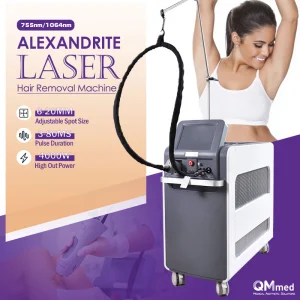
These wavelengths fill the green and teal spectrum gaps. 755nm Alexandrite lasers deliver targeting for stubborn blue and green inks. Ruby lasers (694nm) target green and violet pigments but require conservative energy settings on dark skin types due to high melanin affinity.
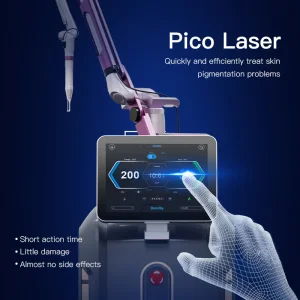
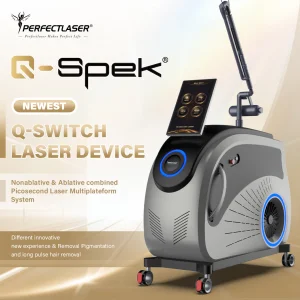
Operating in the trillionths of a second range (350ps to 750ps), picosecond lasers reduce the reliance on photothermal heat, shifting the primary destruction mechanism to photoacoustic fracturing. This translates to fewer treatment sessions, lower heat dispersion, and decreased scarring risks.
| Technology Platform | Primary Mechanism | Target Pigments | Dermal Target Depth | Typical Sessions |
|---|---|---|---|---|
| Q-Switched Nd:YAG | Photothermal + Acoustic | Black, Dark Blue, Red, Orange | Deep Dermis (1.5mm - 2.5mm) | 8 - 12 sessions |
| Picosecond Nd:YAG | Dominant Photoacoustic | Multicolor (Broad Spectrum) | Variable (Highly Adjustable) | 4 - 8 sessions |
| Q-Switched Alexandrite | Photothermal | Teal, Green, Resistant Blues | Mid Dermis (1.0mm - 1.8mm) | 6 - 10 sessions |
Shenzhen Derma Laser Co., Ltd. is a clinical-grade aesthetic manufacturer specializing in research, development, and high-volume production of optical, radiofrequency, and thermal energy-based aesthetic systems. Established in 2014 and headquartered in the high-tech hub of Shenzhen, China, the company provides OEM/ODM manufacturing capability for medical distributors, dermatology networks, and spa franchises globally.
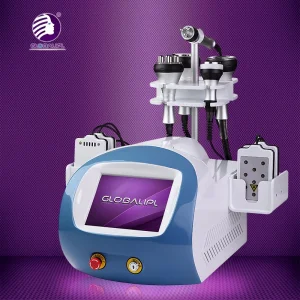
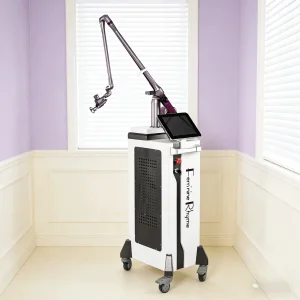
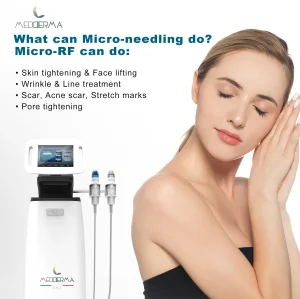
With an operational facility covering over 12,000 square meters and housing a workforce of more than 250 employees, our production lines conform to ISO 13485 quality management standards. Our product catalog features multi-wavelength picosecond platforms, diode laser hair removal systems, active Q-switched Nd:YAG arrays, and RF-microneedling systems.

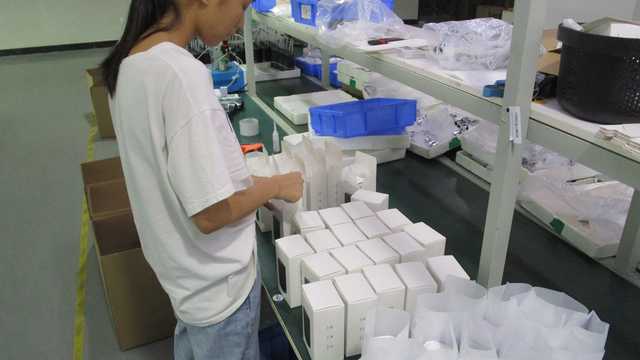
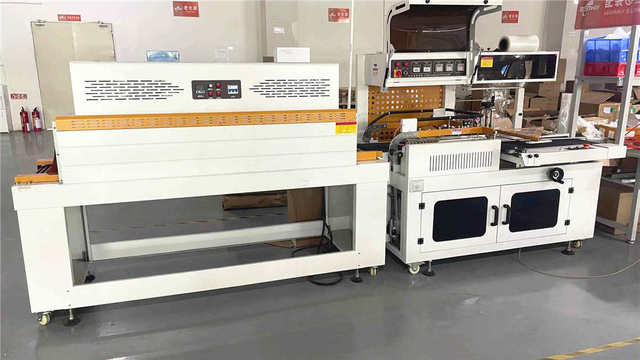
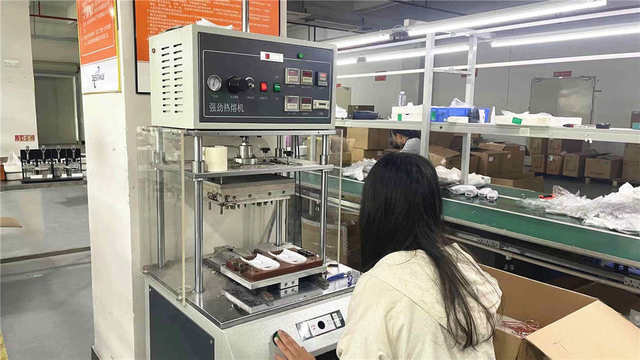
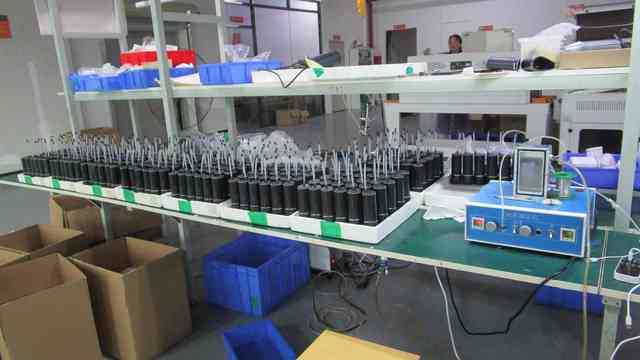
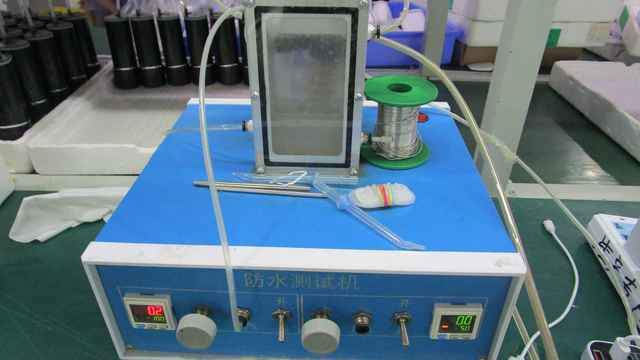
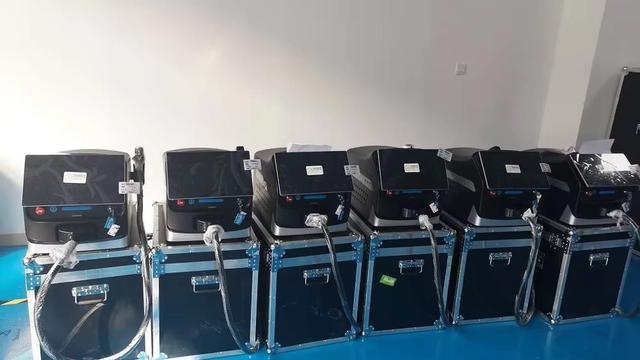
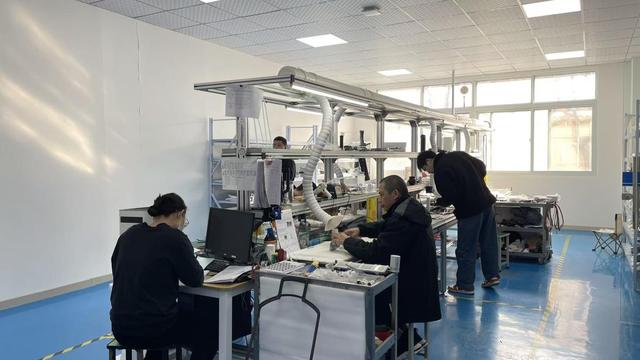
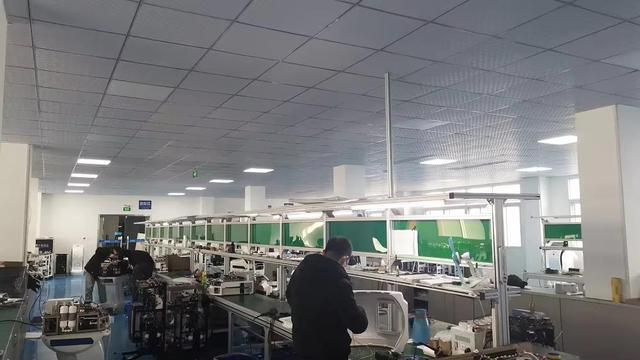
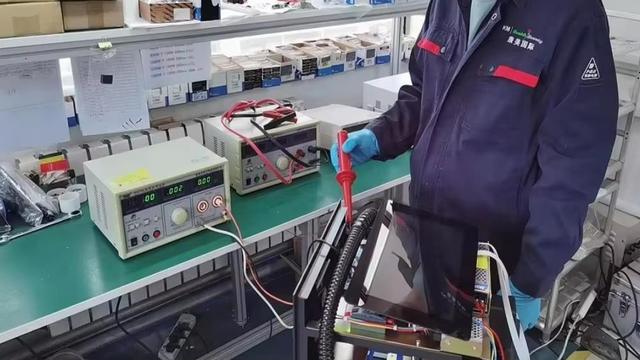
The geographical concentration of optoelectronic engineering in South China, particularly within Shenzhen, has created a highly integrated supply chain for aesthetic laser components. This infrastructure provides three primary advantages for global B2B buyers:
From local diode chip packaging to high-precision optical lenses and durable Q-switched crystal cavities, components are sourced, assembled, and calibrated within a 50-mile radius. This localized supply network reduces lead times and cuts manufacturing costs compared to European or North American facilities.
By leveraging advanced tooling, rapid CNC machining, and localized electronic engineering, Shenzhen factories can design, prototype, and refine custom chassis models and user interfaces in a fraction of the time required by traditional manufacturers.
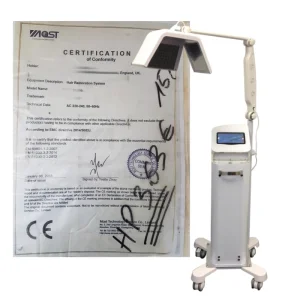
Modern Chinese manufacturers utilize automated testing systems, climate-controlled clean rooms, and rigorous burn-in cycles. This systematic approach ensures that products comply with major international certifications, including CE-MDR, RoHS, and FDA guidelines.
Procuring medical aesthetic hardware at scale requires rigorous technical analysis. Distributors and clinic networks should evaluate manufacturing partners based on key performance criteria:
As the demand for faster, less painful treatments increases, tattoo removal platforms are evolving toward smart, multi-wavelength integration. Several technological shifts are defining the future of the industry:
Next-generation systems integrate optical sensors that analyze local skin melanin levels and pigment depth, automatically calibrating wavelength, spot size, and energy density to maximize target clearance while minimizing epidermal damage.
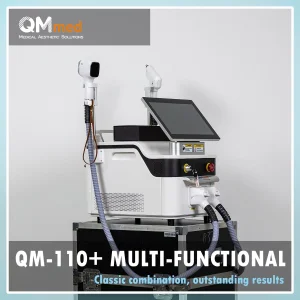
To reduce clinic overhead, manufacturers are combining Picosecond Nd:YAG, Long-Pulsed hair removal modules, and IPL platforms into single, modular workstations. This design allows operators to transition from pigment removal to skin rejuvenation with a simple handpiece swap.
R&D teams are focusing on reducing pulse widths from 750ps down to the 300ps range. This shorter duration increases peak power and amplifies the photoacoustic effect, allowing green and yellow inks to be treated with lower risk of thermal injury.
Aesthetic devices must adapt to diverse clinic environments, treatment demographics, and skin phototypes. We design our systems to excel across distinct clinical settings:
Designed for continuous, back-to-back treatments. These systems feature clinical-grade power supplies and advanced cooling loops to support multi-hour operation without pulse decay or wavelength drift.
Optimized for quick ink fading and pre-coverup prep. Preset treatment menus and guided parameter setup help operators deliver consistent, repeatable treatments across multiple franchise locations.
Specialized platforms configured for treating traumatic tattoos (road rash), cosmetic pigment correction (eyebrows/lips), and localized hyperpigmentation, prioritizing safety and precision energy delivery.
 Derma Laser