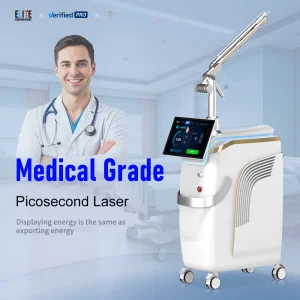
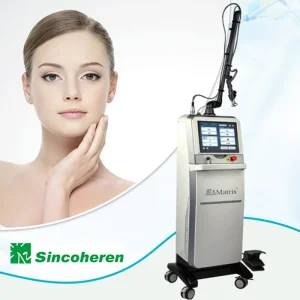
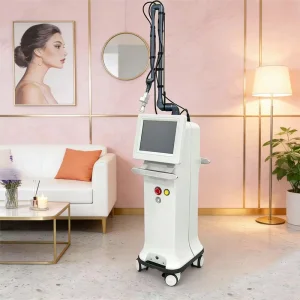
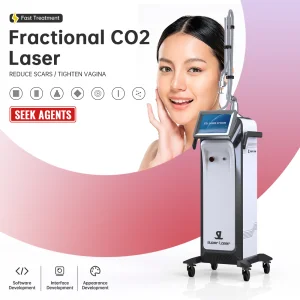
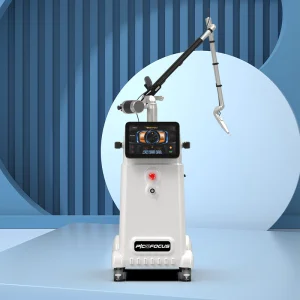
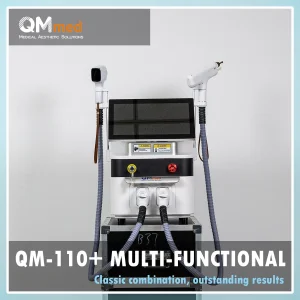
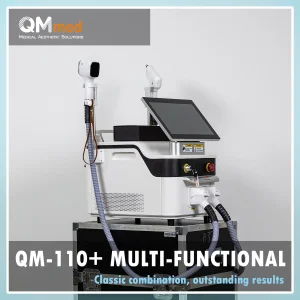
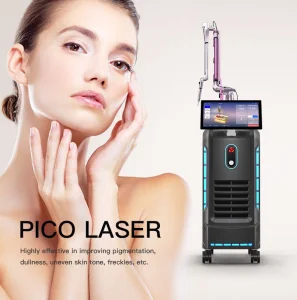
Japan represents one of the most sophisticated dermatology markets globally. With an aging population and high disposable income in cities like Tokyo, Osaka, and Nagoya, the demand for "Anti-Aging" and "Lunch-time Treatments" has skyrocketed. Patients now prioritize procedures with zero downtime, driving the adoption of Picosecond and Thulium laser technologies.
Asian skin types (primarily Fitzpatrick III and IV) are prone to hyperpigmentation and melasma. Japanese practitioners require laser systems with exceptionally stable energy output and specific pulse durations to treat pigment without inducing post-inflammatory hyperpigmentation (PIH).
Exporting to Japan requires more than just high-quality hardware. Compliance with PMDA (Pharmaceuticals and Medical Devices Agency) standards and MHLW regulations is critical. Our systems are designed with "Safety First" protocols, essential for the risk-averse Japanese clinical environment.
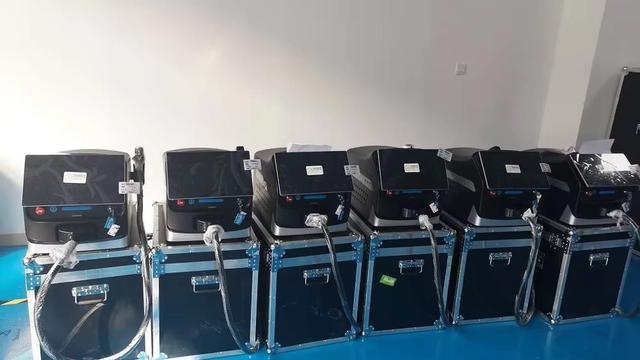
Shenzhen Derma Laser Co., Ltd. is a professional manufacturer specializing in aesthetic laser treatment systems, medical aesthetic equipment, and advanced skin rejuvenation solutions. Established in 2014, we are headquartered in Shenzhen, China, a globally recognized hub for high-tech innovation.
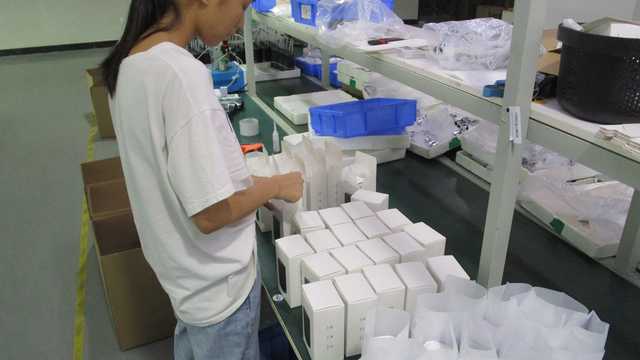
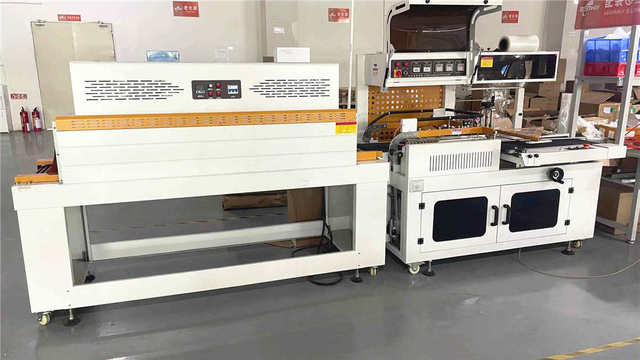
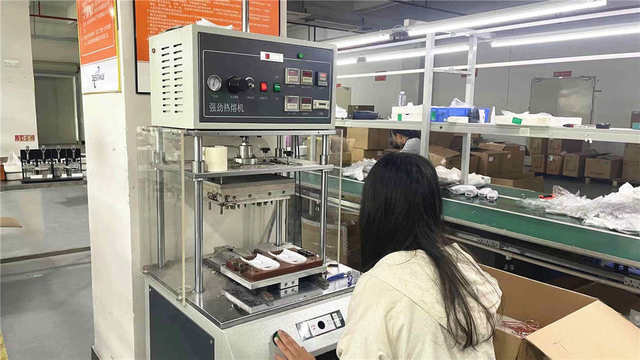
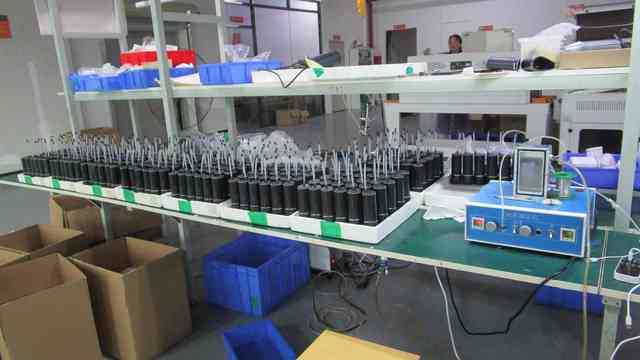
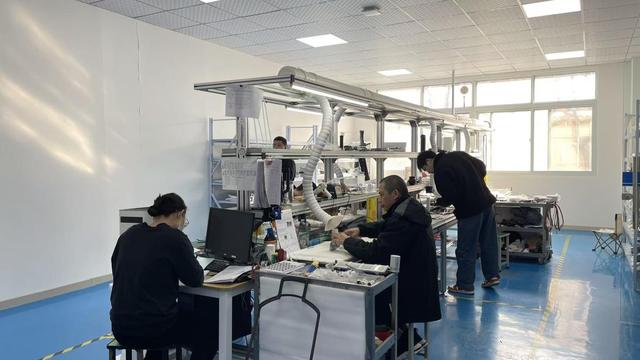
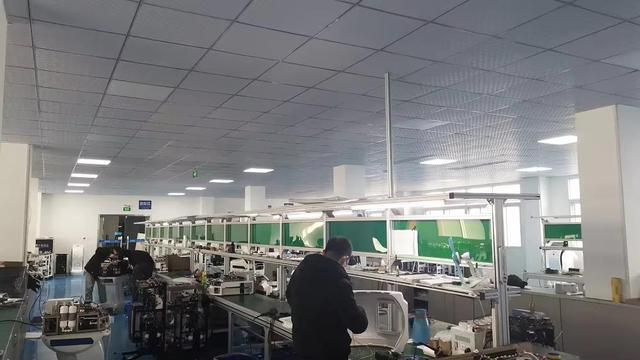
With a production facility covering over 12,000 square meters and a team of more than 250 employees, we are dedicated to the research, development, and supply of aesthetic technology for dermatology centers and medical spas worldwide.
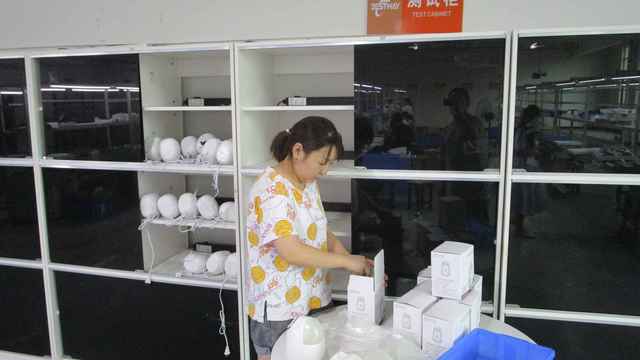
For Japanese importers, the proximity to Shenzhen offers an "Agile Supply Chain" that Western competitors cannot match. We provide:
Our 2024-2025 roadmap focuses on AI-controlled energy delivery. By scanning skin impedance and melanin density, the laser automatically adjusts the fluence to minimize side effects—a feature highly requested by premium clinics in Ginza.
Consolidating 755nm, 1064nm, and 532nm into a single fiber-delivery system allows Japanese practitioners to treat tattoos, pigments, and vascular lesions with one footprint, maximizing clinic ROI per square meter.
Japanese patients value "omotenashi" (hospitality) and comfort. We are integrating sapphire contact cooling with cryogen spray options to ensure a painless experience.
Do your dermatology lasers meet Japan's safety requirements?
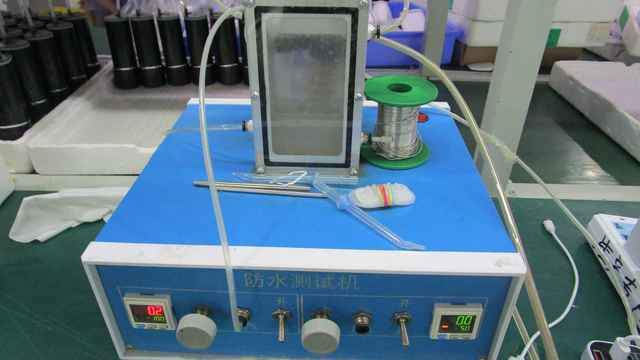
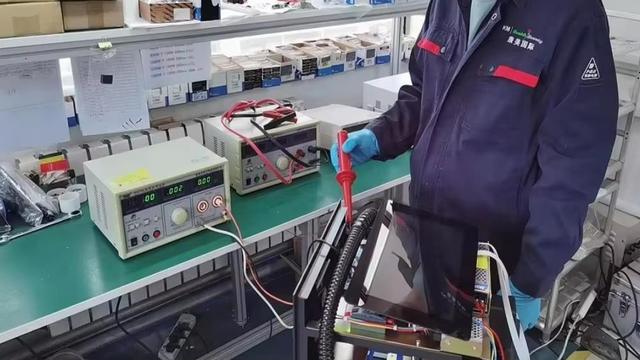
Yes. All our systems exported to the Japan market undergo rigorous testing. We provide CE and ISO 13485 certification, and our engineering team works closely with local Japanese partners to ensure all safety protocols meet the high standards expected by Japanese medical professionals.
Can the software interface be localized into Japanese?
Absolutely. We offer full UI localization for the Japanese market, including Kanji and Katakana support, ensuring intuitive operation for local clinical staff.
How is after-sales support handled in Japan?
We provide 24/7 online technical support and maintain a stock of spare parts ready for express shipping. We also offer "Train-the-Trainer" video modules and local agent coordination for on-site maintenance in major Japanese cities.
What is the advantage of Picosecond over Nanosecond lasers for Asian skin?
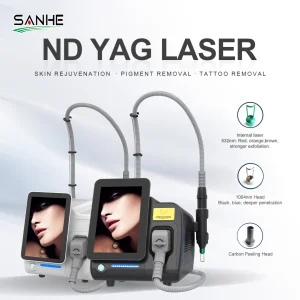
Picosecond lasers deliver energy in shorter pulses, creating a photo-mechanical effect rather than a thermal one. This significantly reduces the risk of PIH (Post-Inflammatory Hyperpigmentation), making it the gold standard for treating Japanese skin types.
Through ongoing investment in technology development and manufacturing excellence, Shenzhen Derma Laser Co., Ltd. remains committed to providing innovative medical aesthetic equipment and skin rejuvenation solutions that support the growth of modern aesthetic and dermatology practices worldwide.
 Derma Laser