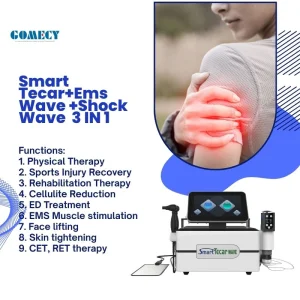
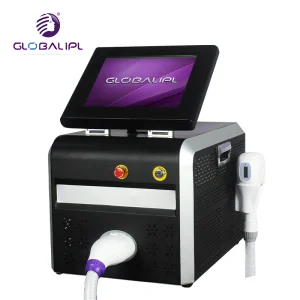
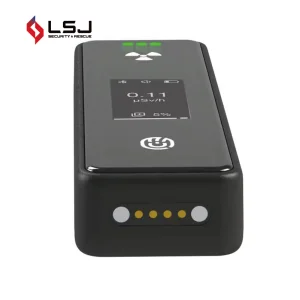
Engineered to international regulatory standards, these primary energy systems provide robust, high-throughput solutions for modern skincare clinics across Chittagong.
An Industrial and Clinical Insight into the Expansion of Energy-Based Devices (EBDs) in Bangladesh's Second Largest Commercial Hub
Chittagong, officially known as Chattogram, is experiencing unprecedented growth in consumer spending power, driven by its status as Bangladesh's primary maritime gateway and commercial powerhouse. This economic transformation has triggered a significant shift in consumer demands, moving from standard, superficial skincare routines to advanced, non-invasive clinical interventions. Local skin clinics, wellness hubs, and medical centers in high-growth neighborhoods such as Khulshi, GEC Circle, Agrabad, and Nasirabad are seeing an influx of patients seeking advanced solutions for dermatological concerns.
The regional skin characteristics of patients in South Asia—primarily Fitzpatrick Skin Types IV, V, and VI—present distinct clinical challenges. High melanin concentrations mean that standard laser treatments carry high risks of Post-Inflammatory Hyperpigmentation (PIH) and thermal damage if the devices are not precision-engineered. Consequently, there is an escalating demand among Chittagong’s leading dermatologists for advanced energy-based devices (EBDs) that utilize ultra-short pulse widths (such as picosecond lasers) and targeted RF energy to protect the surrounding epidermis while maximizing therapeutic efficacy.
Environmental factors in Chittagong, including intense tropical sun exposure, persistent humidity, and urban air particulates, compound local dermatological issues. Acne scarring, epidermal melasma, solar lentigines, and premature photoaging are the most common patient complaints. Practitioners require multi-functional, reliable clinical hardware capable of addressing these complex conditions without significant patient downtime.
The global medical aesthetic device market is projected to reach billions of dollars by 2030, driven by the democratization of non-surgical procedures and rapid advancements in light, sound, and electromagnetic energy technologies. At the heart of this global supply chain is Shenzhen, China—a premier technological hub where state-of-the-art manufacturing infrastructure merges with intense R&D focus to produce clinically validated medical devices.
Shenzhen Derma Laser Co., Ltd. sits at the absolute forefront of this innovation pipeline. By integrating premium imported hardware—including high-efficiency cooling compressors, precision laser diodes, and advanced control modules—we manufacture medical energy devices that offer clinical reliability comparable to European and American counterparts, but at a highly competitive operational cost. This allows medical clinics in developing regions like Chittagong to acquire top-tier, CE-marked clinical platforms with an optimal return on investment.
Shenzhen Derma Laser Co., Ltd. is a professional manufacturer specializing in aesthetic laser treatment systems, medical aesthetic equipment, and advanced skin rejuvenation solutions. Established in 2014, the company is headquartered in Shenzhen, China, a globally recognized center for high-tech innovation and medical device manufacturing.
With a production facility covering over 12,000 square meters and a team of more than 250 employees, Derma Laser is dedicated to the research, development, manufacturing, and supply of aesthetic technology solutions for beauty clinics, dermatology centers, medical spas, and healthcare providers worldwide.
Modern medical aesthetics is moving away from aggressive surgical procedures toward intelligent, minimally invasive, and combination-therapy solutions. The contemporary industry landscape is defined by several core technological shifts:
Importing high-precision electronic equipment into coastal subtropical environments like Chittagong requires careful consideration of local environmental stressors:
Power Grid Stability & Electrical Safeguards: Voltage fluctuations can compromise sensitive micro-controllers and solid-state laser bars. Derma Laser builds its platforms with modular power distribution grids and active voltage regulators to safeguard system integrity.
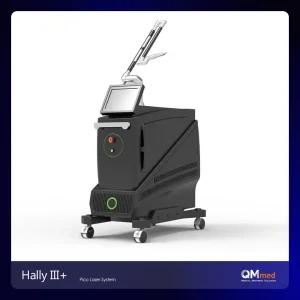
Advanced Thermostatic Cooling: Standard air-cooled aesthetic machines often fail during sustained operations in high-ambient temperature regions. Our systems, such as the Hally III Plus, utilize integrated Freon compressor cooling circuits and heavy-duty radiator assemblies to maintain internal temperatures below 20°C, ensuring continuous, safe performance even during high-volume clinical days in Chattogram.
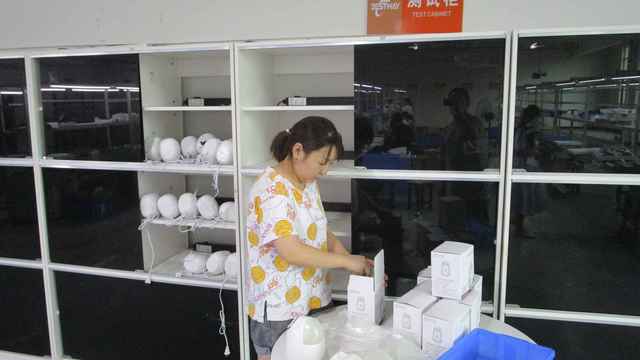
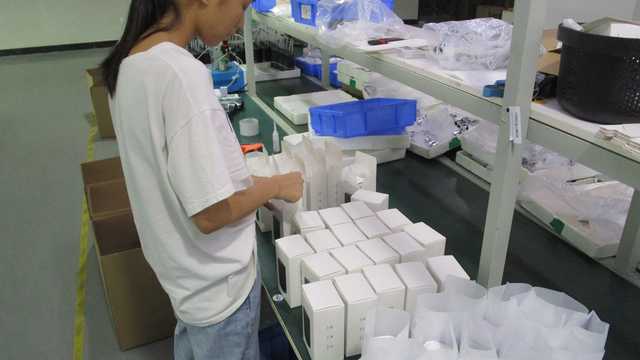
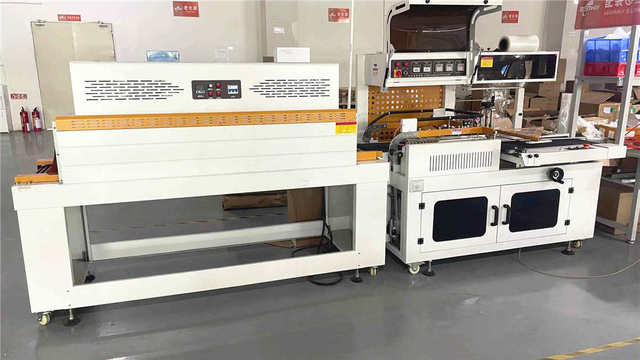
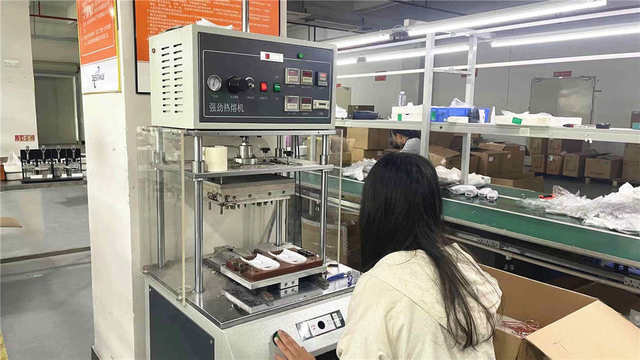
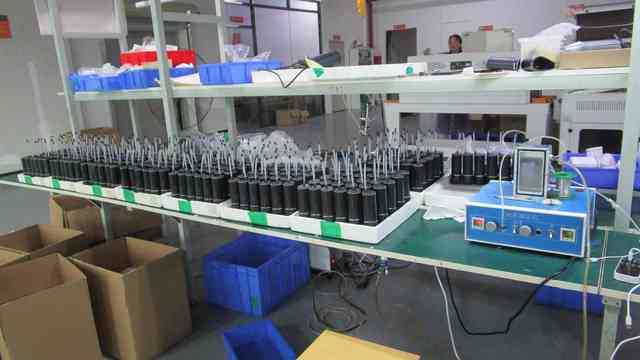
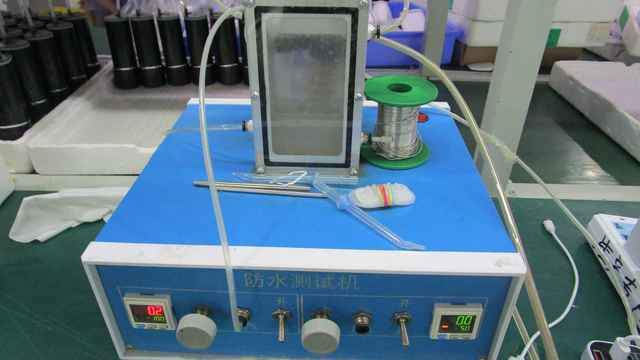
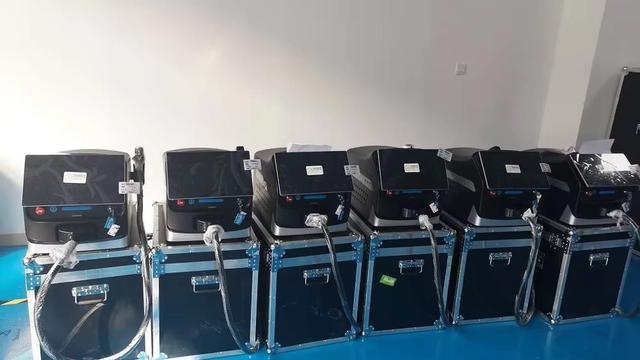
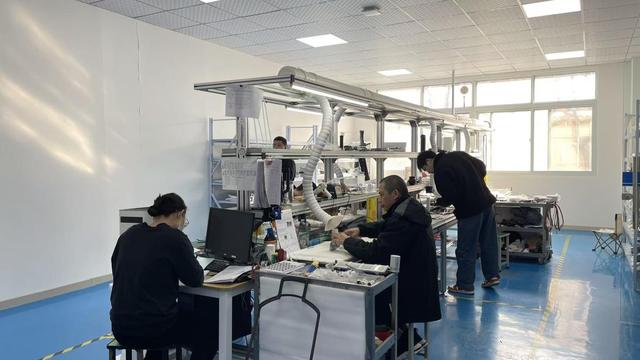
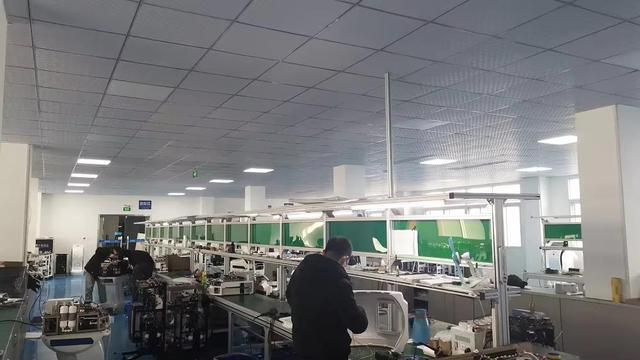
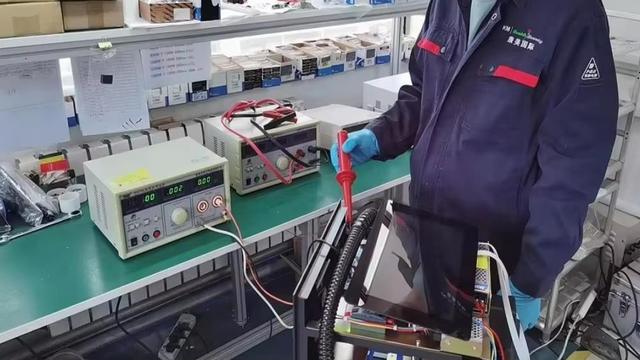
The company's product portfolio includes laser hair removal systems, skin rejuvenation platforms, pigmentation treatment equipment, scar reduction systems, skin tightening devices, vascular treatment solutions, and multifunctional aesthetic platforms. By integrating advanced energy-based technologies, intelligent control systems, and user-friendly interfaces, Derma Laser develops solutions designed to support a wide range of non-invasive aesthetic procedures.
Driven by continuous innovation, the company maintains a dedicated R&D team focused on improving treatment performance, operational efficiency, and system reliability. Comprehensive quality management procedures are implemented throughout product design, manufacturing, testing, and final inspection to ensure consistent product quality and long-term performance.
Serving customers across Europe, North America, Asia-Pacific, the Middle East, Latin America, and Africa, Shenzhen Derma Laser Co., Ltd. provides flexible OEM and ODM manufacturing services tailored to diverse market requirements. The company works closely with distributors, clinics, and aesthetic industry partners to deliver customized solutions that meet evolving industry demands.
Comprehensive laser and radiofrequency solutions optimized for high efficacy, localized patient comfort, and reliable everyday operation.
Expert answers addressing the importing, installation, clinical application, and device optimization of energy-based platforms in Bangladesh.
 Derma Laser