Engineered for extreme performance, precise wavelength stability, and clinical efficacy under tropical conditions.
A comprehensive analysis of demographic, geographical, and physiological requirements for high-performance laser integration in Oceania.
Kiribati's location along the equator presents unique challenges for dermatological treatments and scar reduction therapies. The local population exhibits predominantly Fitzpatrick Skin Types IV through VI. These melanin-rich skin profiles are highly susceptible to Post-Inflammatory Hyperpigmentation (PIH) and keloid formation if subjected to inappropriate thermal parameters during laser resurfacing.
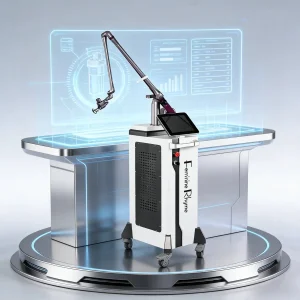
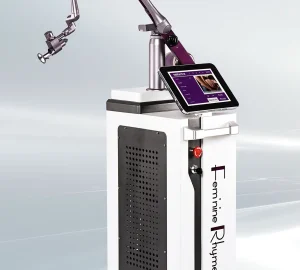
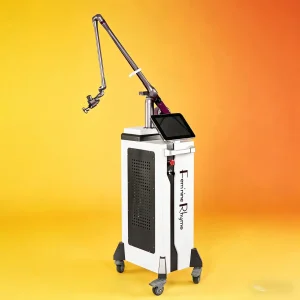
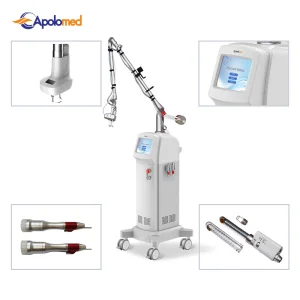
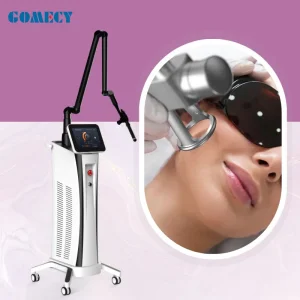
Traditional non-selective laser systems often deposit excessive heat into the surrounding epidermis, leading to severe hyperpigmentation or secondary scarring. To provide safe, effective care, clinics in South Tarawa and outlying atolls require specialized fractionated systems. Devices utilizing ultra-pulse fractional CO2 or non-ablative Thulium 1927nm technology allow operators to adjust pulse duration, spot size, and scanning patterns, minimizing thermal damage to surrounding healthy tissue.
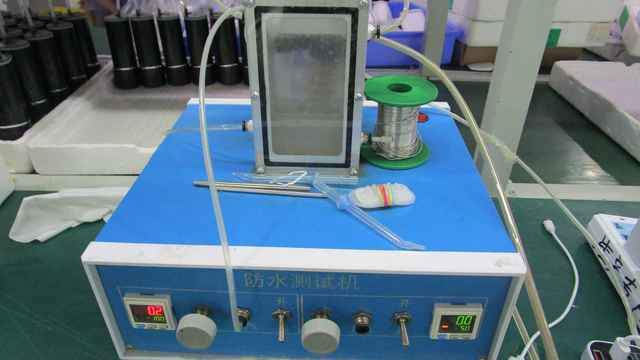
Deploying sensitive medical laser optics in an island nation like Kiribati demands rigorous hardware protection. Marine environments feature high relative humidity (frequently exceeding 80%) and saline air, both of which accelerate the corrosion of electronic components and degrade optical lens coatings. Standard clinical laser platforms often fail prematurely under these harsh conditions.
As a leading exporter, our medical aesthetic equipment features anti-corrosive internal structural coatings, hermetically sealed laser cavities, and IP-rated dust- and moisture-resistant optical handpieces. This ensures that energy delivery remains stable and uniform, preventing optical misalignment and preserving system longevity, even in high-humidity facilities like Tungaru Central Hospital or private outpatient wards.
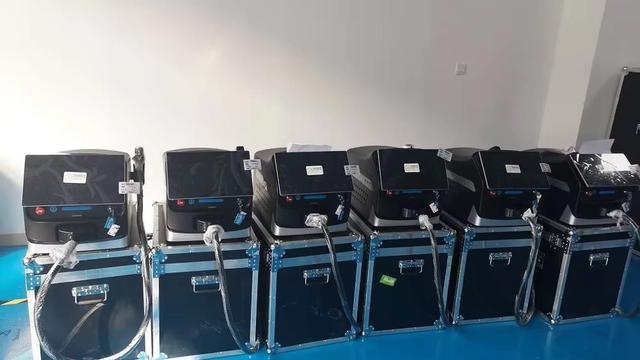
Sourcing medical technology in Kiribati poses unique supply chain hurdles. To guarantee smooth delivery, our global logistics division coordinates secure transport pathways from our advanced manufacturing hub in Shenzhen directly to the Betio Port in South Tarawa or via air cargo connections through Nadi, Fiji. We protect all systems during transit with custom, shock-absorbing, vacuum-sealed flight cases designed to keep out moisture and salt.
Our commitment to local clinical success includes comprehensive remote commissioning services and interactive video setup walkthroughs. We back every system with a detailed warranty package and supply a baseline kit of spare parts (focusing on mirrors, optical fibers, and protective windows). This minimizes clinical downtime and ensures patients receive uninterrupted care.
Safety is the cornerstone of our engineering philosophy. Our fractional laser systems feature multi-layered safety mechanisms, including real-time water flow detection, temperature monitor sensors, and automatic energy calibration circuits. These systems prevent excessive energy discharge, protecting patients from unexpected thermal spikes.
Our product portfolio complies with international safety standards, holding CE certification, ISO 13485 medical device quality system registration, and FDA clearance for select platforms. This rigorous compliance gives Kiribati's medical directors peace of mind, knowing their equipment meets strict global safety benchmarks.
Exploring energy-based modalities: CO2, Thulium, and Diode Laser Technologies.
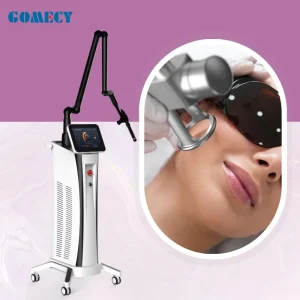
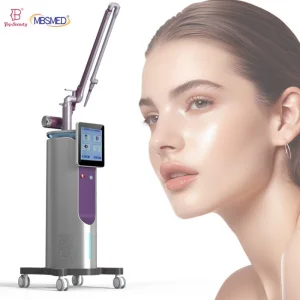
Effective scar reduction relies on the principle of selective photothermolysis. Water is the primary chromophore for resurfacing lasers. CO2 lasers (wavelength 10,600nm) emit light that is strongly absorbed by tissue water, vaporizing damaged skin cells and stimulating new collagen synthesis in the dermis. This makes them highly effective at remodeling deep acne scars, surgical scars, and thick traumatic scars.
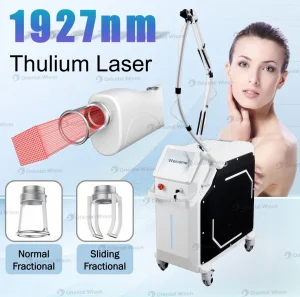
For patients seeking gentler interventions or those with highly active melanin profiles, the 1927nm Thulium laser offers a powerful alternative. Operating at a wavelength with high water absorption, the Thulium laser targets the dermo-epidermal junction. This allows it to treat pigmentation, fine lines, and superficial scars while leaving the stratum corneum intact. The result is rapid epithelialization and a significantly reduced recovery period.
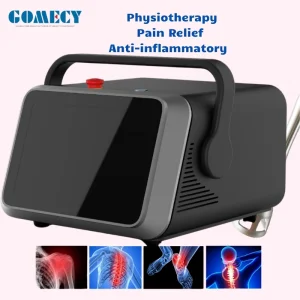
For non-ablative biostimulation, deep wound healing, and post-surgical scar prevention, diode laser systems (wavelengths 980nm, 1470nm, and 635nm) play a critical role. These systems stimulate cellular metabolism, increase microcirculation, and accelerate tissue repair. By managing inflammation during the early stages of healing, they help prevent pathologic scarring before it can take hold.
A comprehensive suite of systems tailored for diverse clinical demands and client therapies.
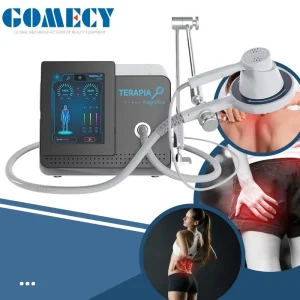
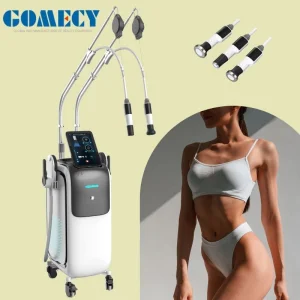
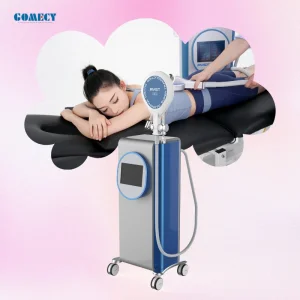
Supportive technologies designed to address muscle tone, chronic inflammation, and non-invasive tissue sculpting.
A global pioneer in high-energy aesthetic medical systems, driving clinical efficacy and technological innovation.
Shenzhen Derma Laser Co., Ltd. is a professional manufacturer specializing in aesthetic laser treatment systems, medical aesthetic equipment, and advanced skin rejuvenation solutions. Established in 2014, the company is headquartered in Shenzhen, China, a globally recognized center for high-tech innovation and medical device manufacturing.
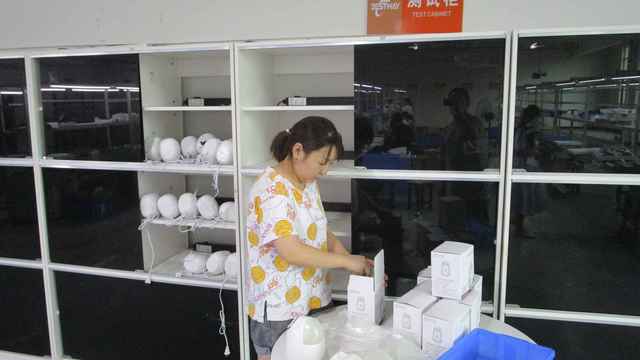
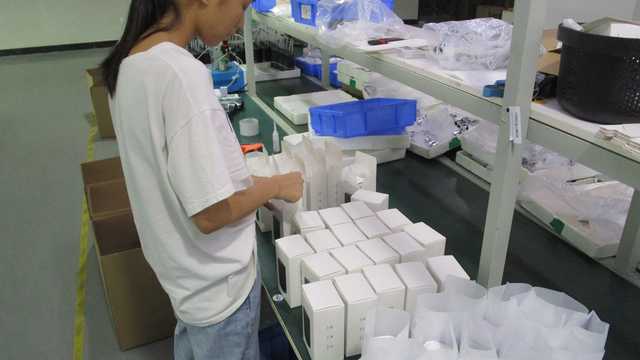
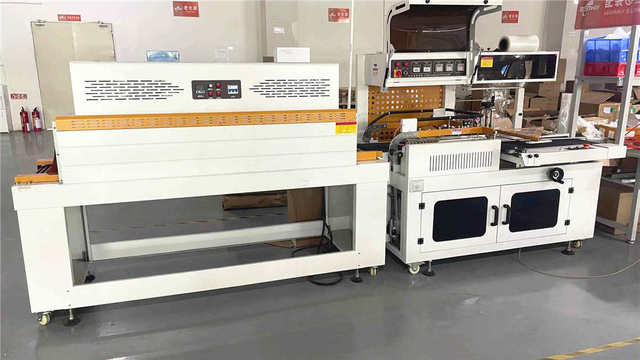
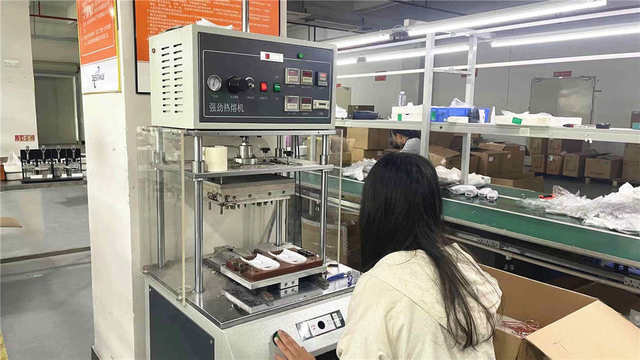
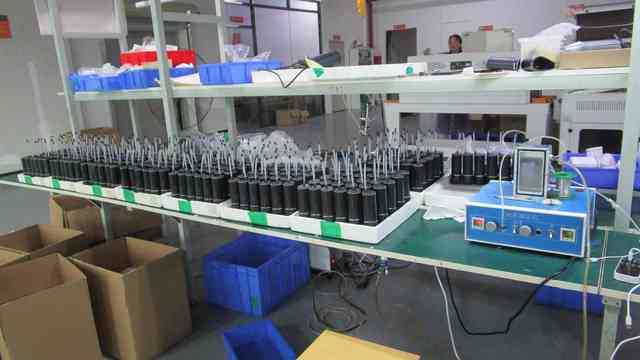
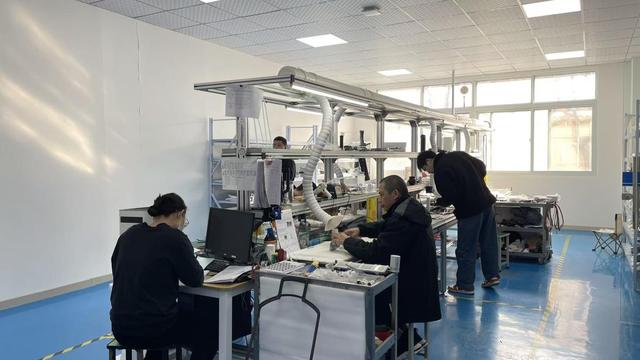
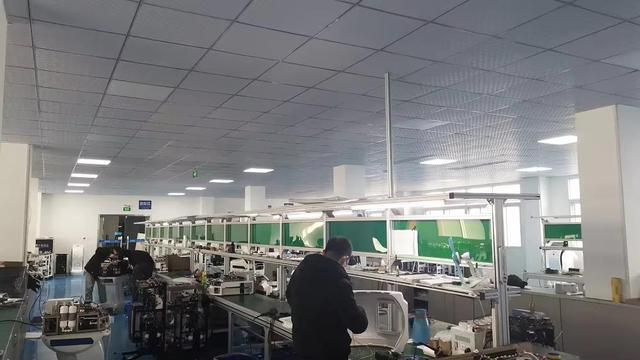
With a production facility covering over 12,000 square meters and a team of more than 250 employees, Derma Laser is dedicated to the research, development, manufacturing, and supply of aesthetic technology solutions for beauty clinics, dermatology centers, medical spas, and healthcare providers worldwide.
The company's product portfolio includes laser hair removal systems, skin rejuvenation platforms, pigmentation treatment equipment, scar reduction systems, skin tightening devices, vascular treatment solutions, and multifunctional aesthetic platforms. By integrating advanced energy-based technologies, intelligent control systems, and user-friendly interfaces, Derma Laser develops solutions designed to support a wide range of non-invasive aesthetic procedures.
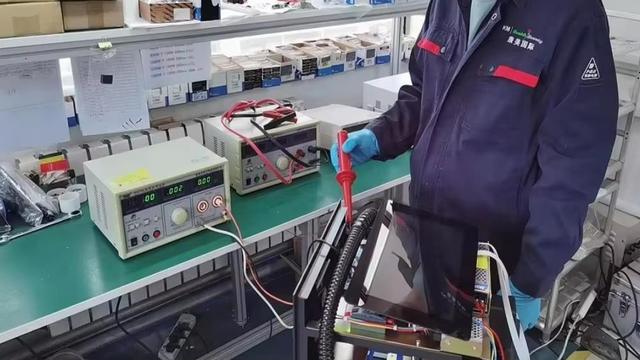
Driven by continuous innovation, the company maintains a dedicated R&D team focused on improving treatment performance, operational efficiency, and system reliability. Comprehensive quality management procedures are implemented throughout product design, manufacturing, testing, and final inspection to ensure consistent product quality and long-term performance.
Serving customers across Europe, North America, Asia-Pacific, the Middle East, Latin America, and Africa, Shenzhen Derma Laser Co., Ltd. provides flexible OEM and ODM manufacturing services tailored to diverse market requirements. The company works closely with distributors, clinics, and aesthetic industry partners to deliver customized solutions that meet evolving industry demands.
Through ongoing investment in technology development and manufacturing excellence, Shenzhen Derma Laser Co., Ltd. remains committed to providing innovative medical aesthetic equipment and skin rejuvenation solutions that support the growth of modern aesthetic and dermatology practices worldwide.
Expert technical answers to critical questions about equipment selection, operation safety, and remote support in Oceania.
For melanin-rich skin profiles, fractional systems configured with custom pulse duration limits are ideal. The 1927nm Thulium laser is highly recommended for superficial scarring, as it avoids aggressive dermal thermal ablation. For deeper, structural scarring, our fractional CO2 laser systems feature customizable pulse durations (ultra-pulse and super-pulse modes) and adjustable dot density. This configuration delivers highly targeted energy micro-beams while preventing thermal accumulation, significantly lowering the risk of Post-Inflammatory Hyperpigmentation (PIH).
Our export-grade medical lasers feature robust, island-ready hardware configurations. These include internal anti-corrosion chassis sealants, hermetically isolated optical cavities to block moisture ingress, and anti-reflective, high-durability lens coatings on all handpieces. This specialized engineering prevents salt-induced optical degradation and electrical component oxidation, ensuring stable energy output over the system's lifetime.
Yes, our lasers are built with high-tolerance, wide-input medical-grade power supplies. However, given the occasional voltage fluctuations and outages in areas like Tarawa, we strongly advise installing a double-conversion online Uninterruptible Power Supply (UPS) rated for the machine's peak energy demand (typically 3kVA to 5kVA). This setup stabilizes voltage fluctuations and protects sensitive RF laser tubes from power surges.
Standard shipping operates via sea freight departing from Shenzhen Port to Betio Port (South Tarawa), typically routing through regional hubs like Suva, Fiji or Brisbane, Australia. The sea transit window ranges from 35 to 50 days. For urgent requirements, we coordinate expedited air cargo to Bonriki International Airport via Fiji Airways. All units are packaged in heavy-duty, moisture-proof, vacuum-sealed flight cases to ensure they arrive undamaged.
We supply a complete clinical and technical support package with every purchase. This includes comprehensive video operation manuals, detailed guidelines for treatment parameters, and direct video consultation access to our clinical training staff. If troubleshooting is required, our engineering team diagnostics the system remotely. Replacement parts covered under warranty are shipped via express courier to restore normal clinical operations as quickly as possible.
Yes. Backed by our 12,000-square-meter facility and extensive R&D team, we offer robust OEM and ODM services. We customize system software interfaces, modify casing colors, engrave institution branding, and configure software defaults to suit regional skin demographics and clinical protocols.
Partner with Shenzhen Derma Laser Co., Ltd. for clinical-grade precision, reliable support, and robust systems built to perform in Kiribati's unique climate.
Send Inquiry Now Derma Laser