From Mechanical Exfoliation to Intelligent Skin Surface Engineering
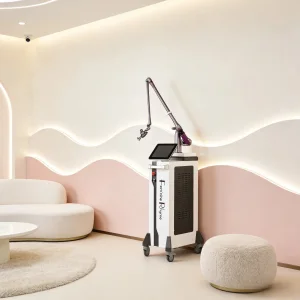
Modern microdermabrasion has transcended simple crystal blasting. Current CE certified factories focus on Medical-Grade Diamond-Tip technology combined with high-precision vacuum sensors that adjust suction power in real-time to prevent epidermal trauma while maximizing cell turnover.
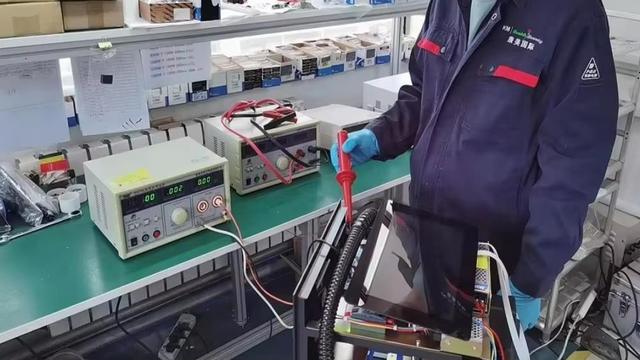
CE Certification (specifically under the new EU Medical Device Regulation 2017/745 - MDR) is no longer just a sticker. It represents a rigorous commitment to clinical safety, biocompatibility of tips, and electromagnetic compatibility (EMC) in complex clinic environments.
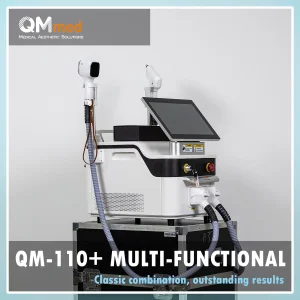
The "Information Gain" in today's market lies in Multi-Modality integration. Exporters are now offering devices that combine microdermabrasion with sonophoresis or LED phototherapy to provide a holistic "Surface-to-Dermis" treatment roadmap.
In the high-stakes world of medical aesthetics, global exporters must solve more than just "skin problems." They must solve Business Operational Challenges. B2B procurement in North America and Europe is shifting toward "Total Cost of Ownership" (TCO) rather than just initial unit price.
1. Lifecycle Technical Support: Beyond the 12-month warranty, clinics require 48-hour part replacement guarantees to minimize downtime.
2. Localization & Compliance: Factories must provide technical dossiers for local health authority registrations (FDA, TGA, MHRA).
3. Clinical Training Ecosystems: Provision of digital training modules and "Standard Operating Procedures" (SOPs) for practitioners.
Partnering with a factory like Shenzhen Derma Laser provides an integrated supply chain advantage, utilizing Shenzhen's tech infrastructure for rapid prototyping and ISO-certified manufacturing excellence.
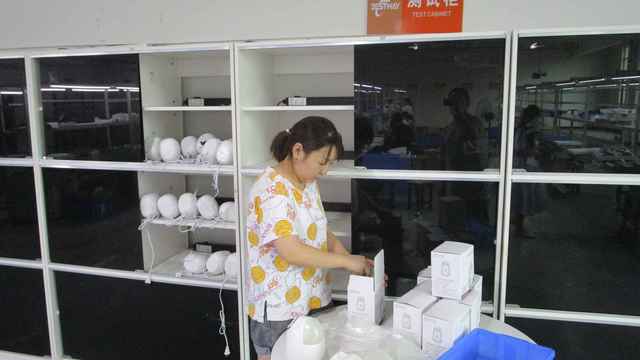
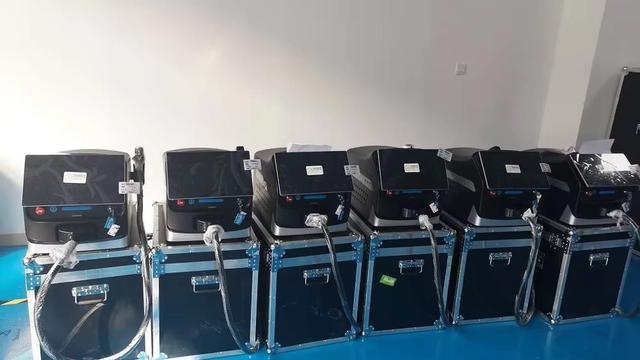
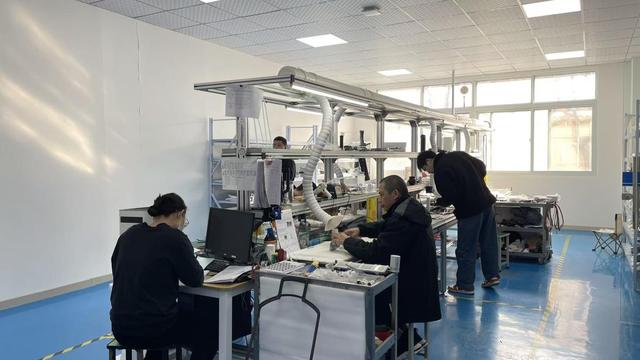
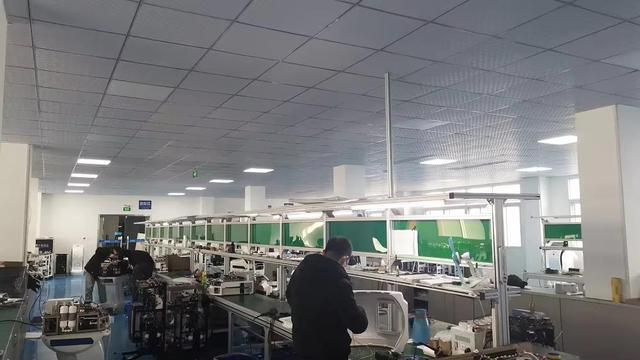
Shenzhen Derma Laser Co., Ltd. is a professional manufacturer specializing in aesthetic laser treatment systems, medical aesthetic equipment, and advanced skin rejuvenation solutions. Established in 2014, the company is headquartered in Shenzhen, China, a globally recognized center for high-tech innovation and medical device manufacturing.
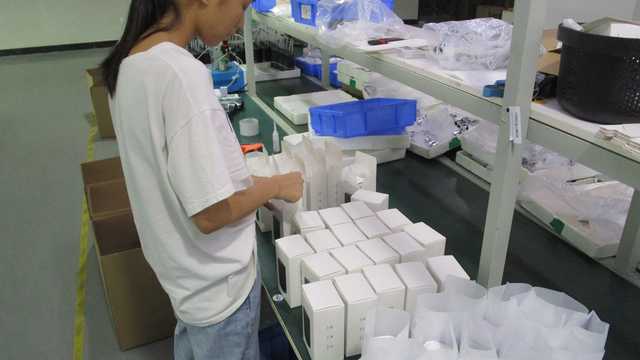
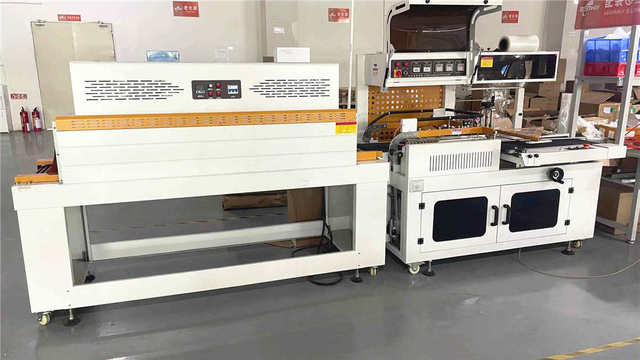
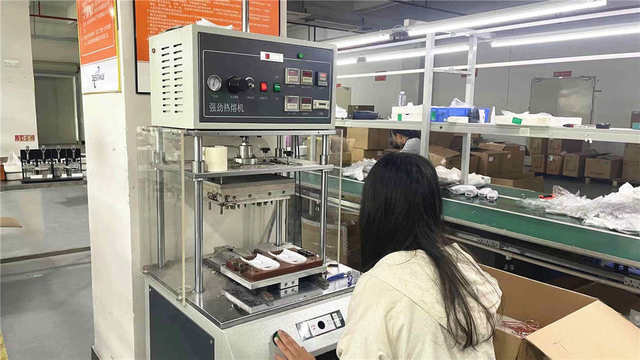
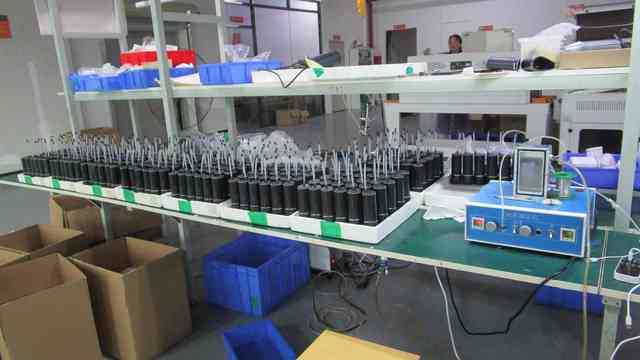
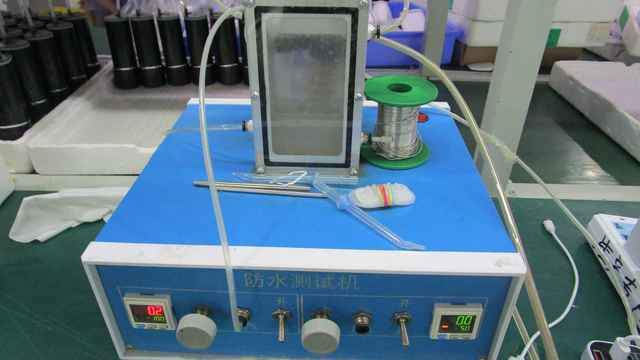
With a production facility covering over 12,000 square meters and a team of more than 250 employees, Derma Laser is dedicated to the research, development, manufacturing, and supply of aesthetic technology solutions for beauty clinics, dermatology centers, medical spas, and healthcare providers worldwide.
Serving customers across Europe, North America, Asia-Pacific, the Middle East, Latin America, and Africa, the company provides flexible OEM and ODM manufacturing services. Their portfolio, which includes advanced microdermabrasion and laser platforms, is built on a foundation of clinical efficacy and engineering reliability.
Leading the Next Decade of Skin Resurfacing
Integrating AI Skin Analysis with microdermabrasion units to automatically set vacuum intensity based on skin thickness and hydration levels detected by built-in sensors.
Transitioning from "Dry" to "Wet/Dry" systems, allowing factories to produce machines that exfoliate and infuse customized serums simultaneously for superior results.
Cloud-connected aesthetic platforms that track usage metrics, predict maintenance needs, and allow for remote firmware updates to improve treatment protocols.
CE certification ensures the device meets European health, safety, and environmental standards. For microdermabrasion, this includes electrical safety (LVD), electromagnetic interference (EMC), and the safety of all skin-contact materials.
High-precision vacuum control (measured in mmHg or kPa) allows for targeted exfoliation of the Stratum Corneum without causing bruising or telangiectasia (broken capillaries), essential for sensitive skin areas.
Yes, professional factories like Shenzhen Derma Laser offer full OEM services, including custom UI/UX for software, casing design, and the integration of secondary technologies like RF or Ultrasound.
Typically, filters should be checked every 20-30 treatments, and the vacuum pump requires a deep inspection every 12 months. Most CE certified units feature internal sensors to alert users of pressure drops.
 Derma Laser