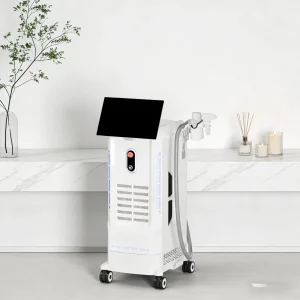
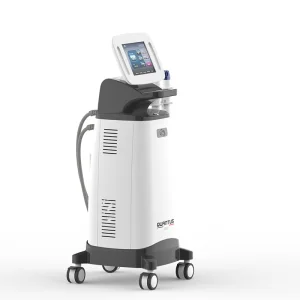
Explore our flagship medical-aesthetic portfolio integrated with active thermal cooling, multi-wavelength diode lasers, and high-frequency energy modulators.
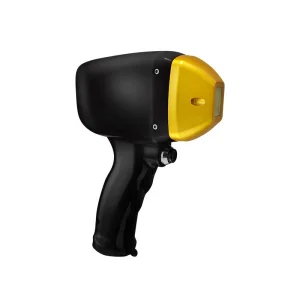
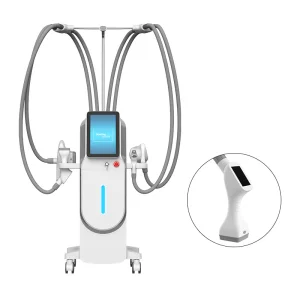
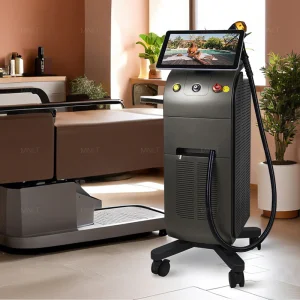
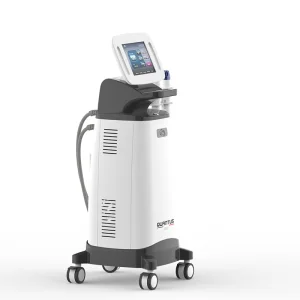
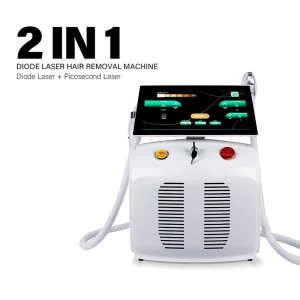
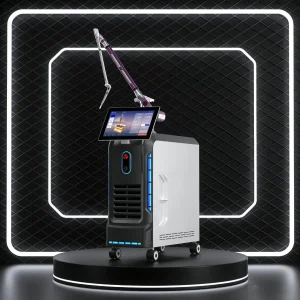
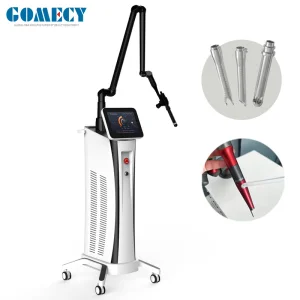
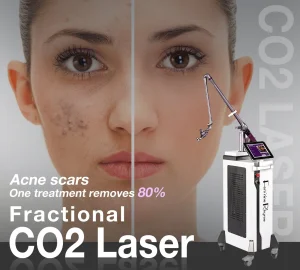
Cryotherapy, characterized by the controlled therapeutic application of sub-zero temperatures, has progressed from basic cold packs to advanced, closed-loop computerized cryogenic gas and thermodynamic liquid delivery modules. In modern clinical settings, cryotherapy devices are divided into three core categories: localized cold air systems (used for intra-operative anesthesia and thermal protection during laser therapy), cryolipolysis devices (targeting subcutaneous adipose tissue via selective thermolysis), and whole-body cryotherapy chambers (utilizing liquid nitrogen vapors or electrical heat-exchange systems for systematic anti-inflammatory recovery).
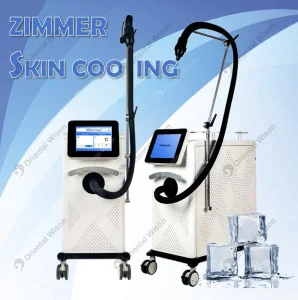
As aesthetic laser treatments, high-intensity focused ultrasound (HIFU), and fractional radiofrequency (RF) procedures become mainstream, epidermal cooling systems have transitioned from optional comfort measures to technical requirements. Active skin cooling at -30°C to -40°C prevents epidermal burn injuries, preserves tissue integrity, and allows practitioners to use higher energy densities safely. Consequently, the demand for medical-grade cooling systems, such as the Zimmer-style pain relief units, has increased globally.
"Scientific thermodynamic optimization is not simply about achieving low temperatures; it is about controlled, consistent thermal extraction. Real-time temperature feedback loops prevent cryoburns while ensuring maximum cellular efficacy."
Effective cryotherapy devices rely on thermoelectric cooling (TEC) modules, mechanical vapor compression cycles, or direct forced gas circulation. Thermoelectric cooling systems leverage the Peltier effect, offering quiet operation, solid-state reliability, and precise temperature regulation within ±0.1°C. For medical laser handpieces, TEC modules ensure continuous contact cooling to protect the epidermis.
For high-throughput laser centers, forced cold air systems (delivering flow rates up to 1500L/min at -40°C) represent the primary method for thermal mitigation. These devices require oil-free high-efficiency compressors and optimized moisture-separation systems. Without adequate moisture extraction, internal condenser units risk icing over during long treatment sessions, which can lead to airflow reduction and potential equipment failure.
As a global manufacturing hub, Shenzhen provides structural advantages for high-performance medical and aesthetic devices. Established in 2014, Shenzhen Derma Laser Co., Ltd. operates a 12,000-square-meter facility with over 250 employees. This scale enables integrated R&D, precision manufacturing, and quality control.
Shenzhen's supply chain ecosystem integrates electronics design, sheet metal fabrication, software engineering, and cleanroom assembly within a small geographical radius. This concentration reduces prototyping cycles from months to weeks. Additionally, the availability of specialized engineering talent simplifies the design of complex refrigeration systems and custom embedded interfaces.
International expansion requires compliance with medical device regulations. Aesthetic platforms must navigate strict certification paths, including European Medical Device Regulation (MDR) CE compliance, FDA clearances in the USA, and ANVISA guidelines in Latin America.
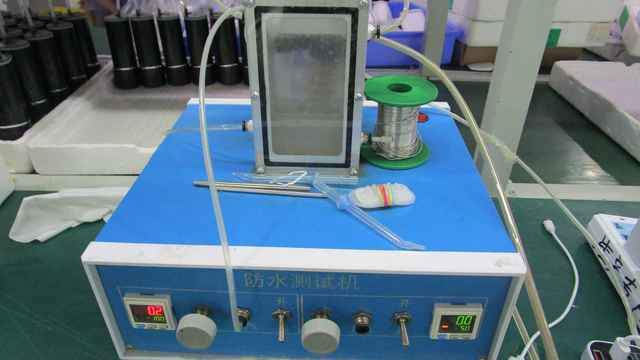
Derma Laser integrates quality control workflows throughout design, manufacturing, and assembly. Cryotherapy devices undergo testing to assess electrical safety, electromagnetic compatibility (EMC), temperature accuracy, and high-pressure stability. High-capacity cooling devices also undergo thermal cycle testing to confirm system reliability in high-humidity environments.
Continuous cooling protects tissue layers from thermal build-up, reducing complications like post-inflammatory hyperpigmentation (PIH).
Industrial compressors provide continuous -40°C airflow, supporting high patient volumes in clinical centers.
Closed-loop sensors monitor output temperature, dynamically adjusting gas delivery to maintain consistent temperature settings.
We design custom chassis, adapt GUI displays, and adjust refrigeration capacities to meet specific brand requirements.
Aesthetic devices serve distinct operational environments. Tailoring specifications to these settings improves clinic workflows and patient satisfaction.
Forced-air cooling units lower skin temperatures before, during, and after laser hair removal or tattoo treatments, mitigating epidermal damage and increasing patient throughput.
Controlled cooling platforms crystallize localized lipid deposits in targeted fat layers, promoting gradual clearance while keeping surrounding tissues unaffected.
Closed-loop sensors provide thermal validation data for dermatological research, verifying skin temperatures during high-energy procedures.
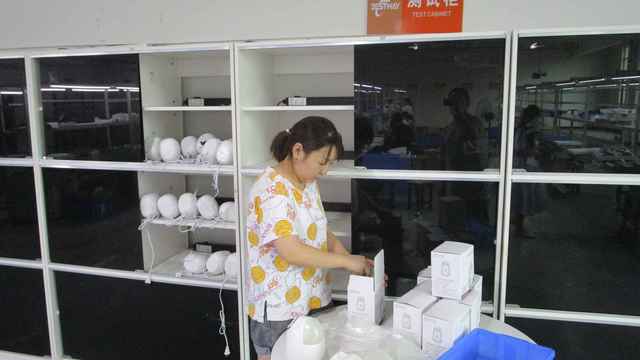
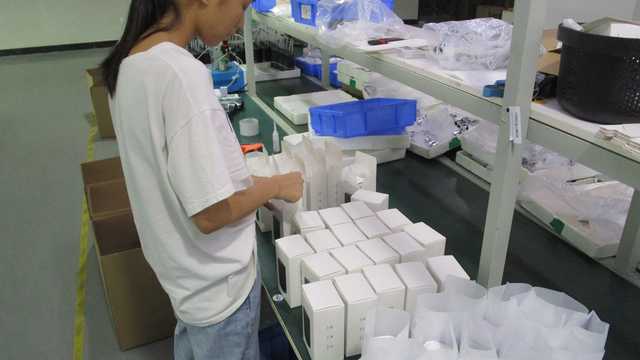
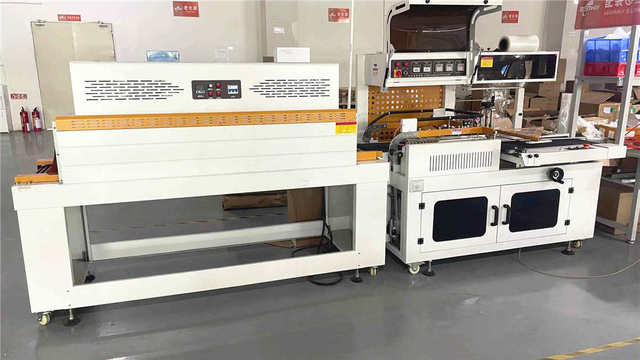
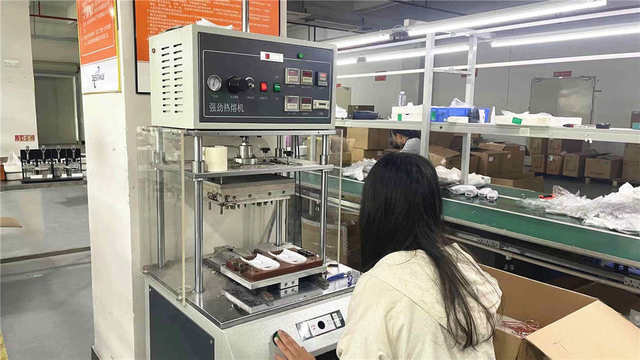
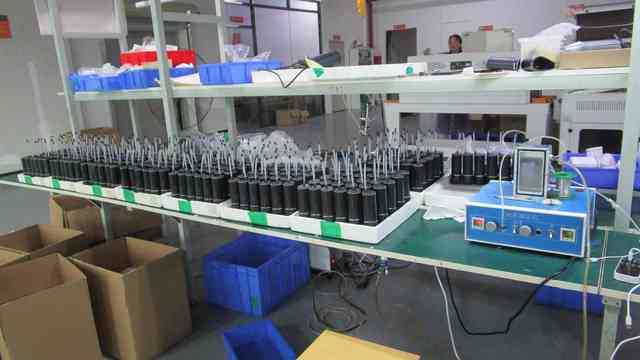
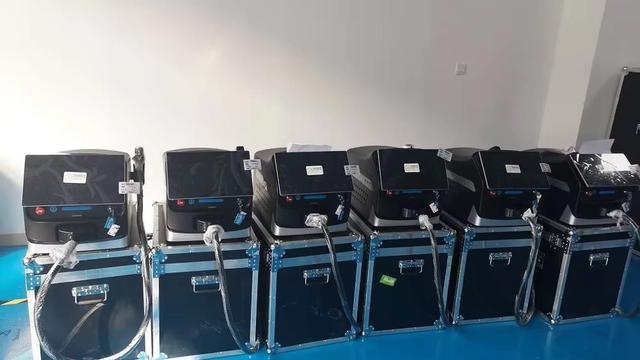
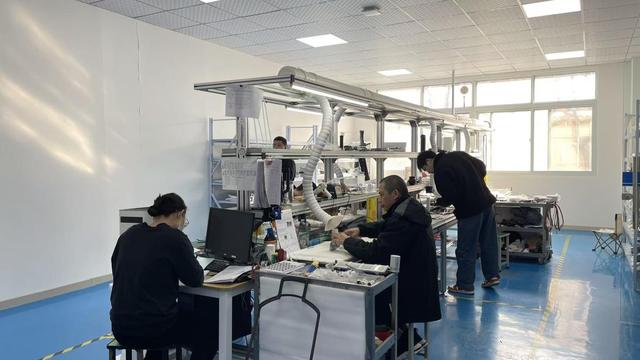
A look inside our 12,000m² manufacturing facility. Our production lines combine precision machining, optical alignment, and thermal cycle testing.
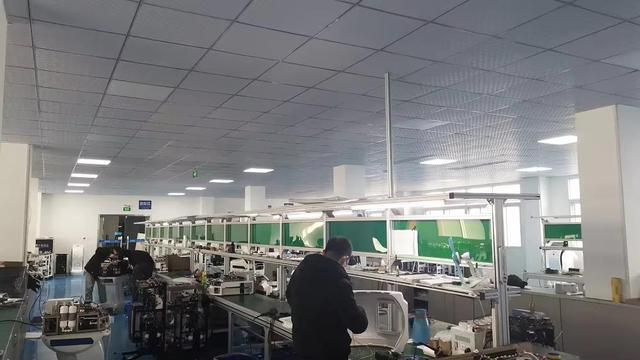
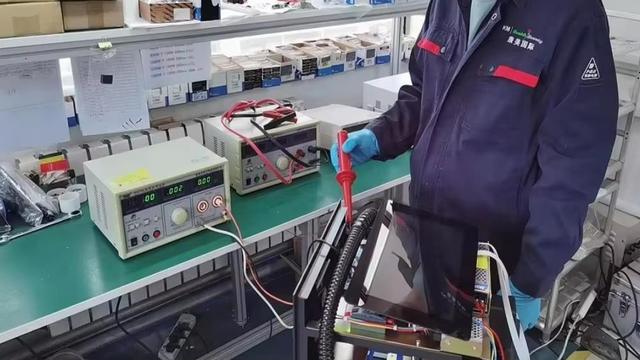
Technical details, import regulations, customization services, and maintenance questions for global distributors and medical procurement officers.
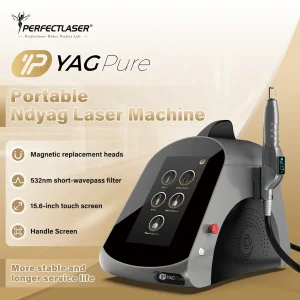
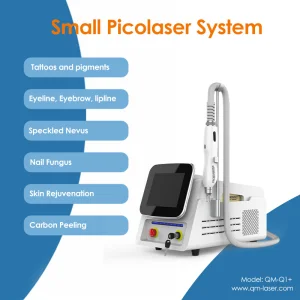
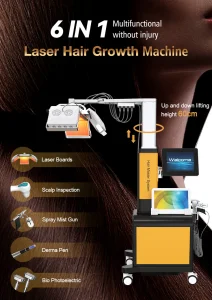
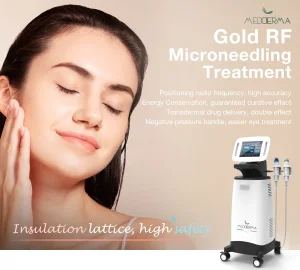
Explore our targeted treatment systems, featuring Nd:YAG laser technologies, RF microneedling platforms, and Zimmer-style air-cooling units.
 Derma Laser