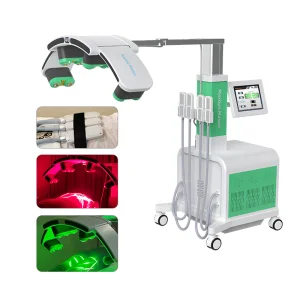
Pioneering engineering for medical clinics, cosmetic surgery suites, and dermatology clinics worldwide.
The aesthetic medical market has experienced a significant paradigm shift over the past decade. Globally, patients and clinical practitioners are pivoting away from invasive surgical facelifts in favor of non-invasive and minimally invasive energy-based devices (EBDs). This structural shift is propelled by advancements in biophysical engineering—most notably micro-focused ultrasound, fractional radiofrequency (RF), and targeted laser photothermal systems.
In North America and Europe, demographic aging combined with a rising preference for natural, regenerative outcomes has amplified the demand for dermal remodeling devices. Clinical data indicates that sub-dermal heating profiles between 55°C and 65°C trigger immediate triple-helix collagen contraction while initiating a long-term neocollagenesis cascade.
Consequently, global procurement structures for distributors and medical chains are demanding robust compliance certifications (such as Medical CE and FDA clearance), multi-functional adaptability, and minimized clinical consumables costs. Developing high-performance skin tightening systems requires an intricate understanding of cellular thermolysis and tissue impedance variability across diverse populations.
Projected global growth rate for non-invasive aesthetic devices through 2030.
Precise dermal heating range required for optimal collagen restructuring.
Successful deployment across major international markets depends on stringent ISO 13485 design controls and MDR certification frameworks.
Established in 2014, Shenzhen Derma Laser Co., Ltd. is a distinguished medical aesthetic manufacturer specializing in state-of-the-art energy-based aesthetic systems and comprehensive skin rejuvenation solutions. Headquartered in Shenzhen, China, we operate from a premier innovation zone for high-tech medical engineering.
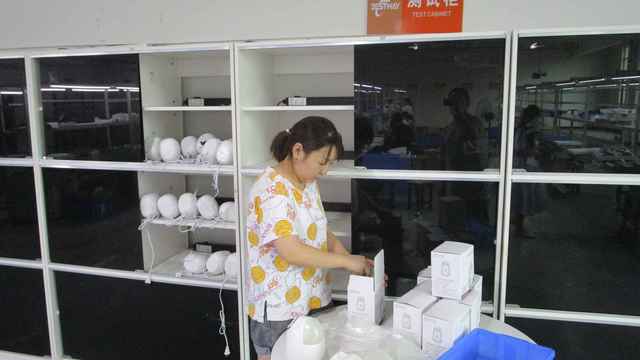
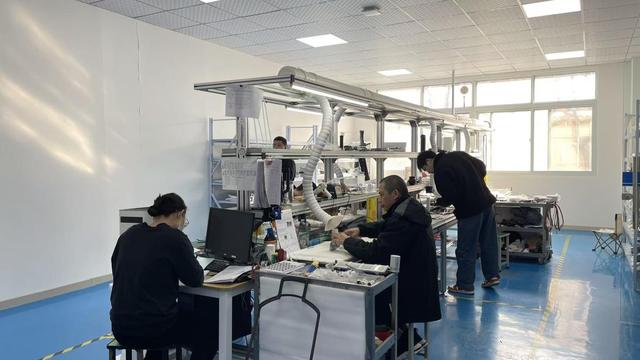
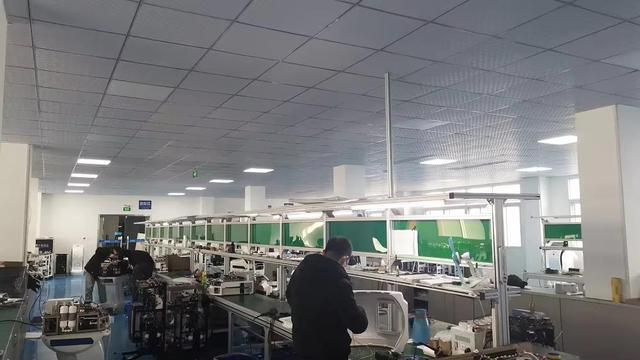
An advanced facility engineered to meet high-level cleanroom standards and high-volume medical equipment assembly requirements.
Composed of laser physics researchers, hardware developers, quality inspectors, and global client support specialists.
Formulating high-reliability aesthetic equipment with adaptable OEM & ODM frameworks tailored to diverse international requirements.
Derma Laser's technical portfolio spans premium laser hair removal configurations, intensive skin rejuvenation platforms, high-precision pigmentation systems, scar reduction platforms, non-invasive skin tightening devices, and specialized endolift diode lasers. By integrating advanced energy technologies, custom cooling profiles, and intelligent user interfaces, Derma Laser provides reliable solutions designed for medical spas, clinical dermatology groups, and global aesthetic distributors.
Medical aesthetic technology requires precise manufacturing capabilities. By positioning our primary production site in Shenzhen, Shenzhen Derma Laser Co., Ltd. leverages an advanced regional hardware ecosystem. This allows us to integrate raw materials sourcing, optical alignment processing, power supply customization, and structural design under a unified control structure.
This localized cluster reduces manufacturing overhead and shortens supply chain turnaround times. Standard industry feedback loops that typically take months in other regions are resolved within days. For our international OEM/ODM clients, this efficiency translates directly into faster time-to-market and flexible customization for device chassis aesthetics, localized software interfaces, and tailored energy output specifications.
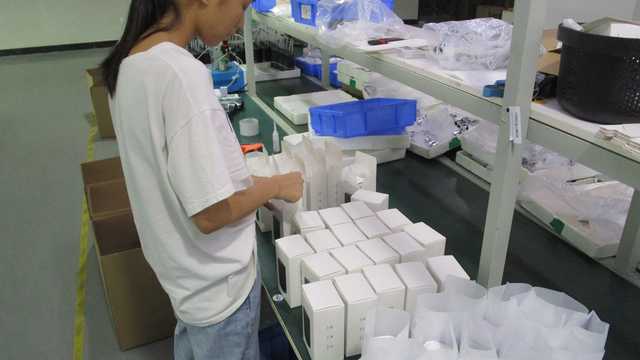
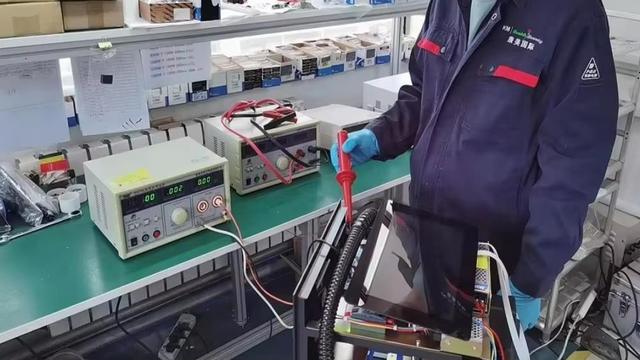
Additionally, we maintain a dedicated QC team that subjects every production batch to structured testing cycles. This ensures that every system shipped to Europe, the Americas, or Asia-Pacific matches required clinical and operational performance metrics.
From micro-clinics to multi-site dermatology chains, energy-based skin tightening must adapt to unique patient demographics and clinical workflows.
Designed for clinical settings requiring precise dermal remodeling and structural tissue tightening. High-power systems like the RF Microneedle with Crystallite Depth Technology target deep subcutaneous layers, inducing controlled coagulation zones to address laxity, deep scarring, and structural skin remodeling.
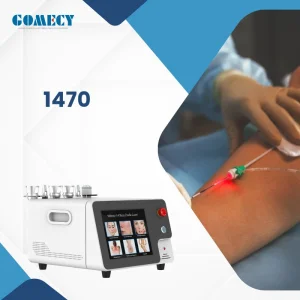
Primary Target: Dermal-Subdermal JunctionMedSpas require highly efficient treatments with minimal downtime to support high patient throughput. Technologies such as the Medical Thulium Laser 1927nm and targeted Endolift 1470nm systems provide customizable fractional treatments, skin tone refinement, and sub-dermal tightening within 30-minute sessions.
Primary Target: Epidermal-Dermal RevitalizationAddressing lax skin following weight fluctuations or lipolysis procedures. Combined platforms utilizing Endolift 1470nm Diode Lasers and cryo-reduction technologies target both subcutaneous adipose tissue and the overlying dermal layer to tighten and firm the treated areas.
Primary Target: Adipose-Dermal InterfaceAs the industry evolves, manufacturers are shifting from general energy delivery toward real-time, patient-specific calibration. Modern systems incorporate impedance feedback mechanisms that monitor skin resistance in real time, automatically adjusting energy outputs to prevent thermal complications while maintaining effective target temperatures.
Integrating acoustic and optical diagnostic sensors to assess skin density before energy delivery, optimizing depth and parameter selection.
Combining superficial fractional lasers with sub-dermal diode lasers in a single treatment session to target multiple tissue depths simultaneously.
Designing lighter handpieces with integrated contact cooling to improve operator comfort and support consistent energy delivery.
Sub-dermal fiber optics, such as those used in our Endolift 1470nm systems, deliver thermal energy directly to the targeted tissue layers, bypassing superficial epidermal structures to minimize external recovery times.
Targeted Thermal Tissue ModificationInsulated vs. non-insulated needle configurations allow practitioners to localize thermal profiles to the deep dermis, protecting the epidermis from unwanted heat transfer.
Precision Dermal Energy LocalizationStrategic procurement in the medical aesthetic sector requires verification of manufacturing transparency, clinical validation, and comprehensive post-sale support.
Verify that your manufacturing partner operates under ISO 13485 frameworks. Cleanroom standards, tracking of optical assemblies, and detailed inspection records are vital for ensuring device longevity.
Regulatory standards vary by region (FDA, CE MDR, NMPA, Anvisa). Trusted manufacturers provide extensive compliance documentation, electromagnetic compatibility (EMC) reports, and biocompatibility certificates.
A strong partner offers flexible custom services, including custom software UI translations, outer casing designs, logo branding, and tailored software parameters to fit local market requirements.
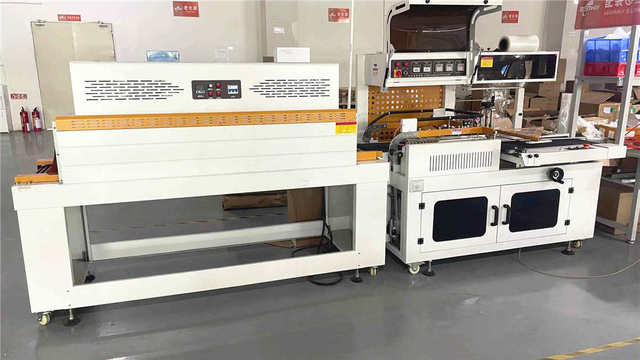
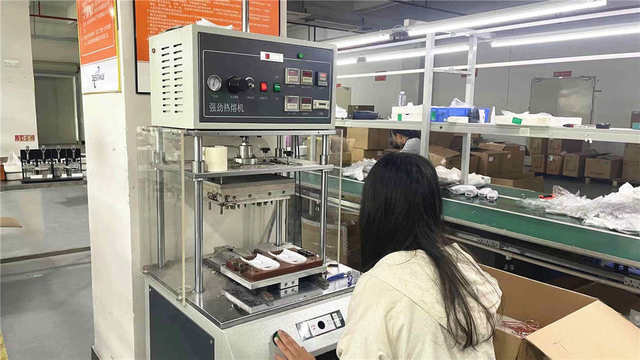
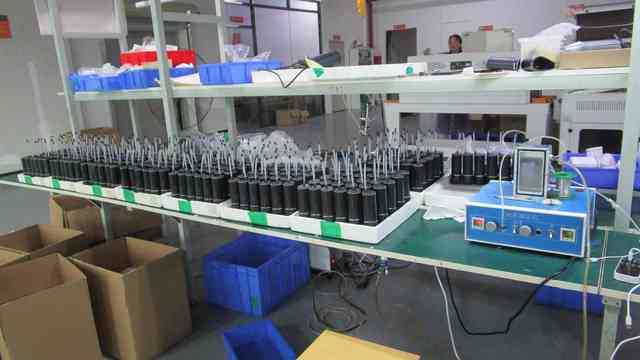
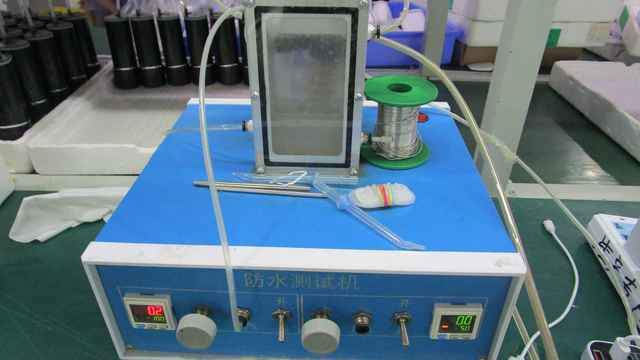
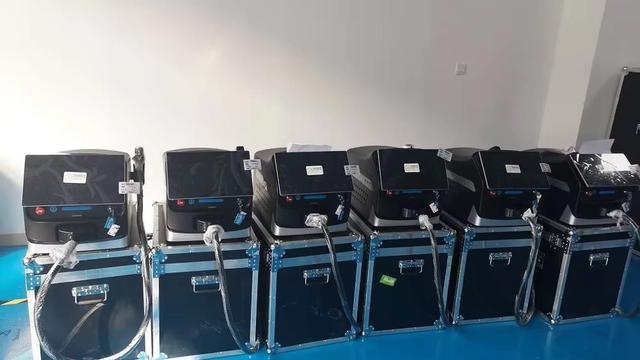
Our 12,000-square-meter facility is optimized for precision assembly, rigorous optical alignment, and multi-stage testing.
Technical answers to common questions about device design, clinical efficacy, and manufacturing processes.
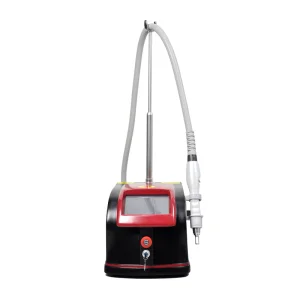
High-power systems designed to support diverse treatment options in clinical practices and medspas.
 Derma Laser